
An Unusual View: MISR sees the Moon
Review conditions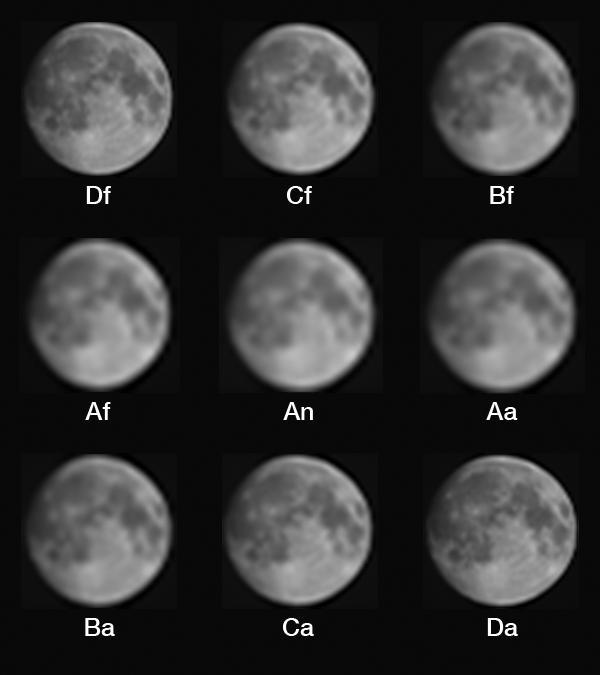
The job of the Multiangle Imaging SpectroRadiometer (MISR) instrument on NASA's Terra satellite is to view Earth. For more than 17 years, its nine cameras have stared downward 24 hours a day, faithfully collecting images used to study Earth's surface and atmosphere. On August 5, however, MISR captured some very unusual data as the Terra satellite performed a backflip in space. This maneuver was performed to allow MISR and the other instruments on Terra to catch a glimpse of the Moon, something that has been done only once before, in 2003. Why task an elderly satellite with such a radical maneuver? Since we can be confident that the Moon's brightness has remained very constant over the mission, MISR's images of the Moon can be used as a check of the instrument's calibration, allowing an independent verification of the procedures used to correct the images for any changes the cameras have experienced over their many years in space. If changes in the cameras' responses to light aren't properly accounted for, the images captured by MISR would make it appear as if Earth were growing darker or lighter, which would throw off scientists' efforts to characterize air pollution, cloud cover a
Rights evidence
NASA media-use guidance applies; NASA identifiers, endorsement, third-party material, and personality rights require separate review.
An Unusual View: MISR sees the Moon. Credit: NASA / JPL.
Normalized by rights-v2-discovery. This is evidence routing, not legal advice.