English

NASA Image and Video Library

السجلات المفهرسة تحت NASA Image and Video Library مع المعرّفات والروابط وبيانات الحقوق الأصلية. هذه المواد المستوردة وليست كامل مقتنيات المؤسسة. تحقق من المؤسسة الأصلية عندما يكون المصدر مجمّعًا للبيانات.

4,093 سجلًا مطابقًا؛ الأوصاف والعناوين الأصلية محفوظة. البحث والمرشحات →

التحقق من الأدلة · توثيق المادة والمقطع · الحقوق

2002مكتبة صور وفيديو ناسا

International Space Station (ISS)

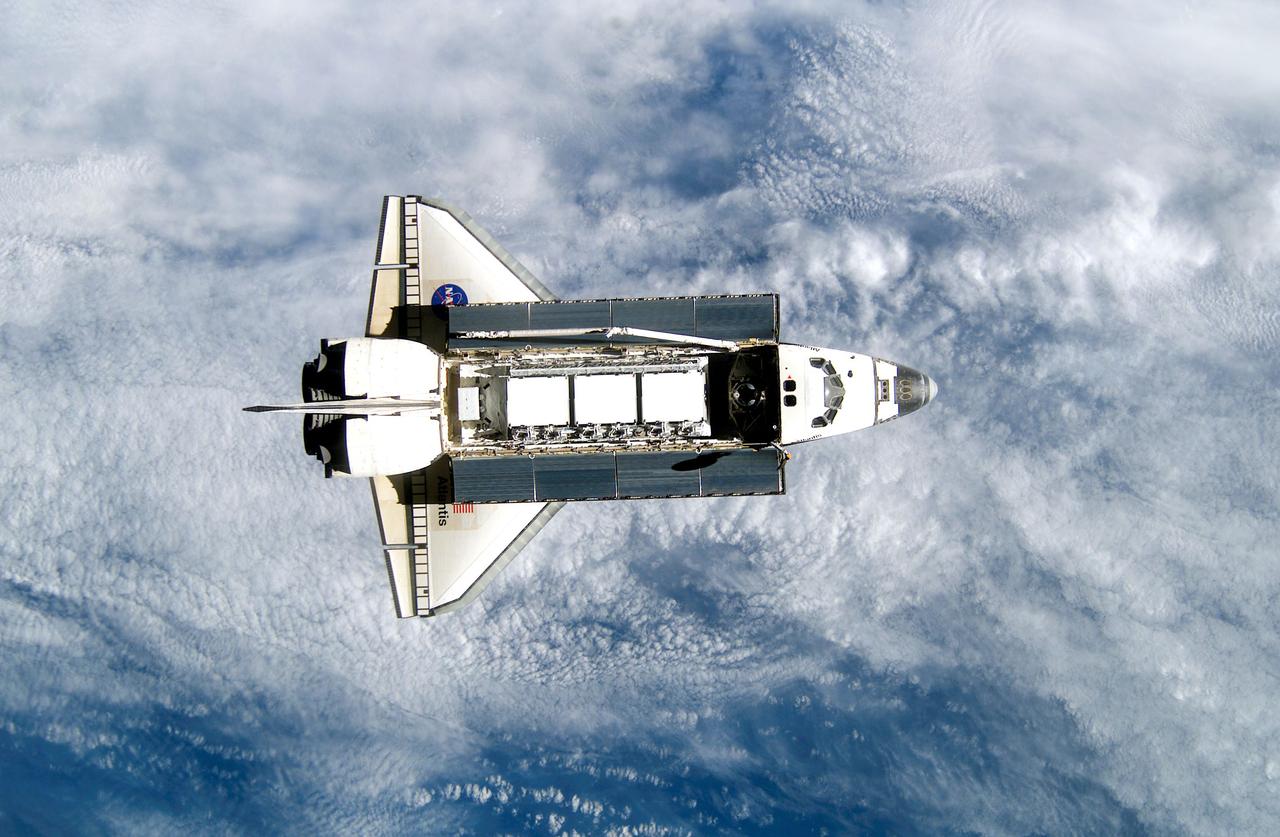
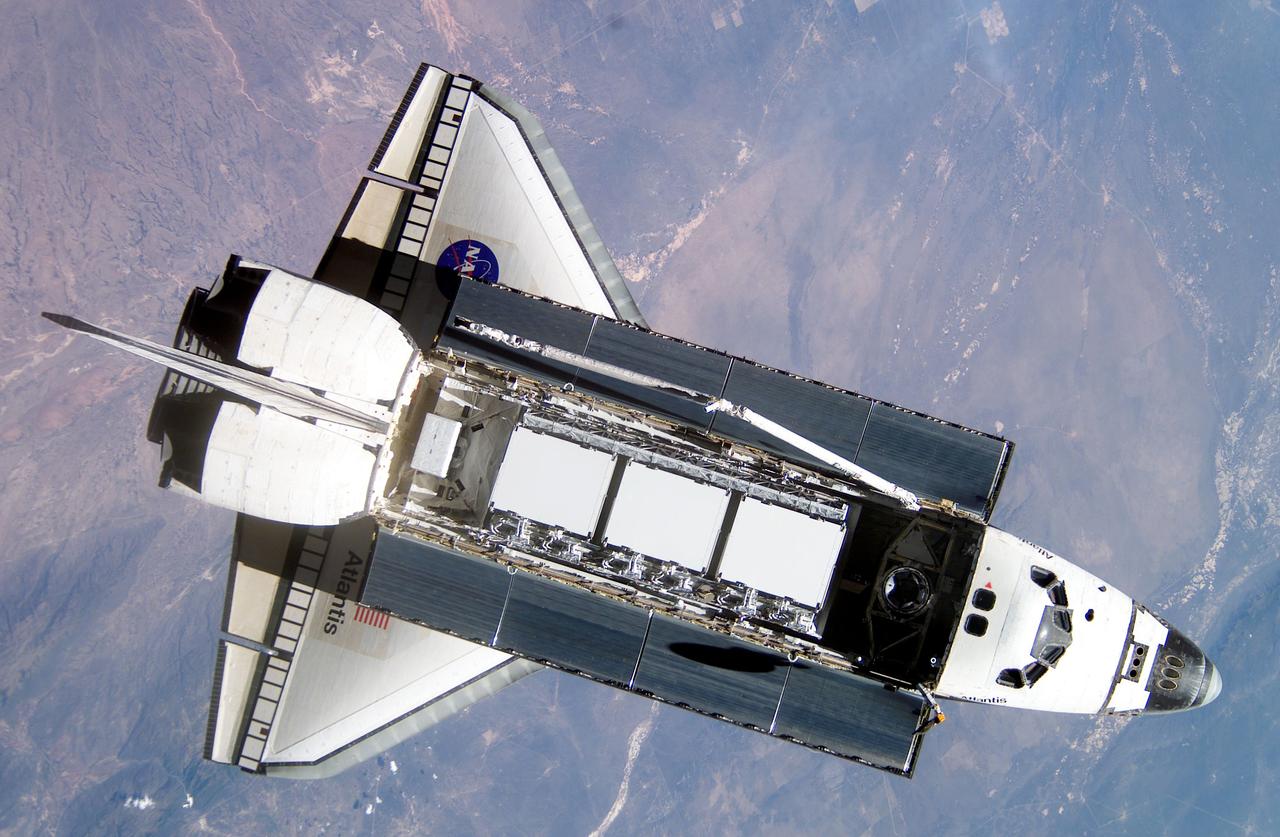
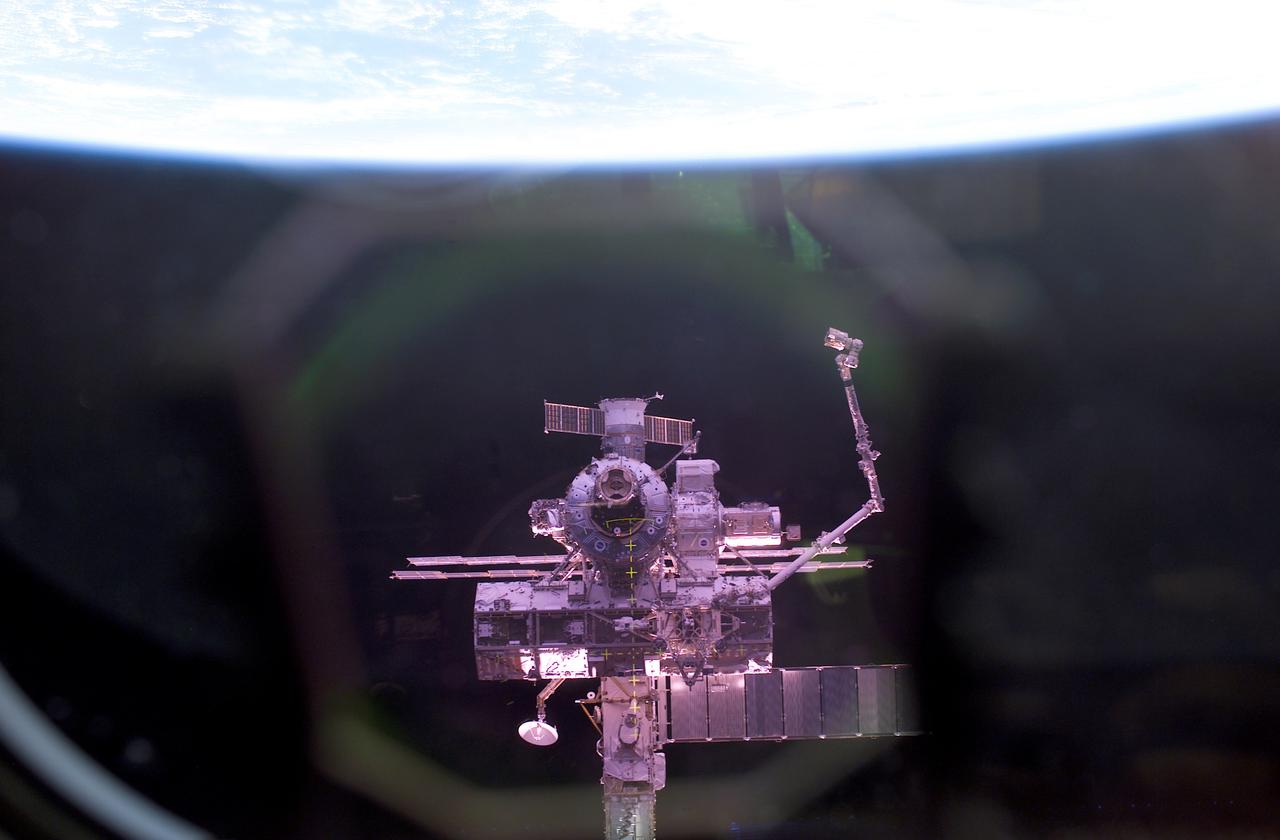
Back dropped against a blue and white Earth, the Space Shuttle Orbiter Atlantis was photographed by an Expedition 5 crew member onboard the International Space Station (ISS) during rendezvous and docking operations. Docking occurred at 10:17 am on October 9, 2002. The Starboard 1 (S1) Integrated Truss Structure, the primary payload of the STS-112 mission, can be seen in Atlantis' cargo bay. Installed and outfitted wi

2002مكتبة صور وفيديو ناسا

International Space Station (ISS)

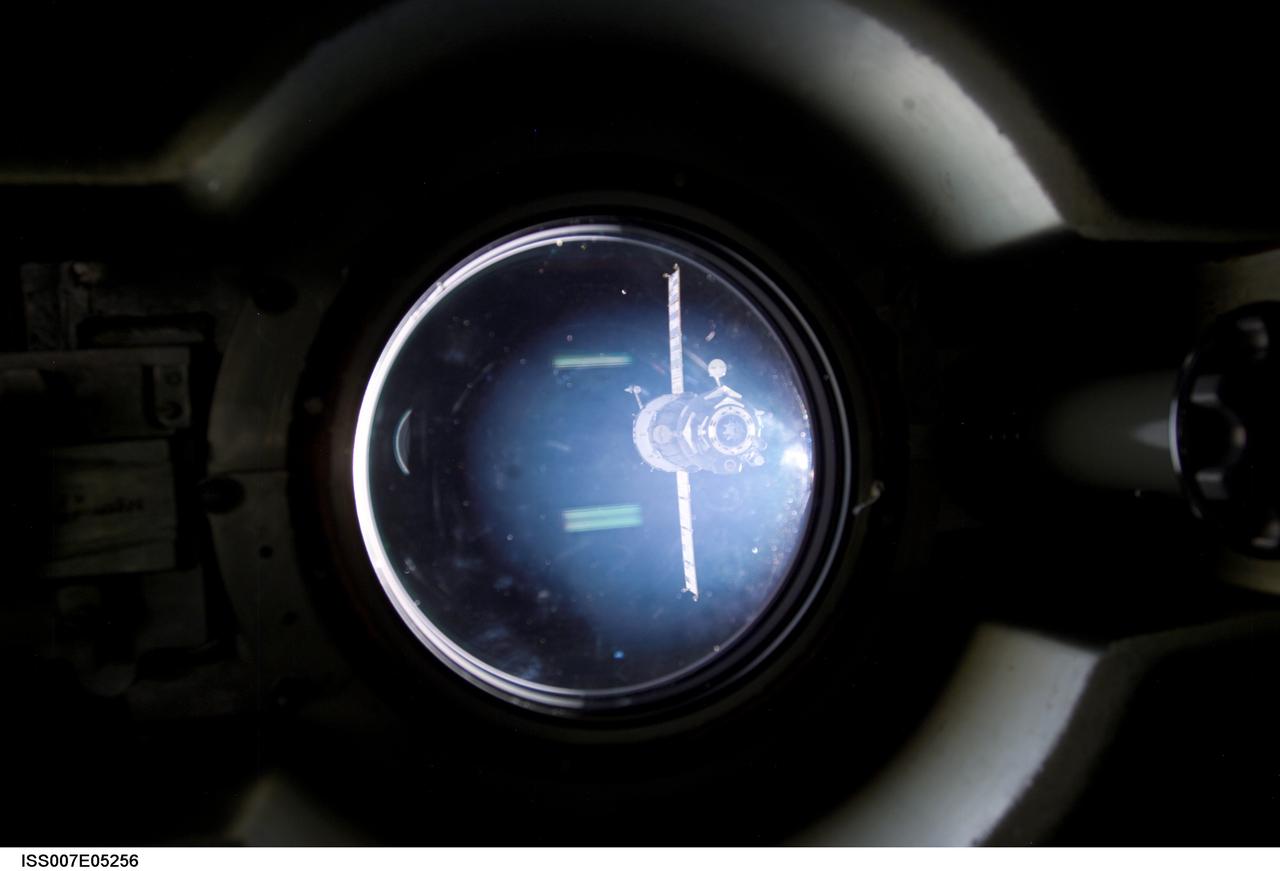
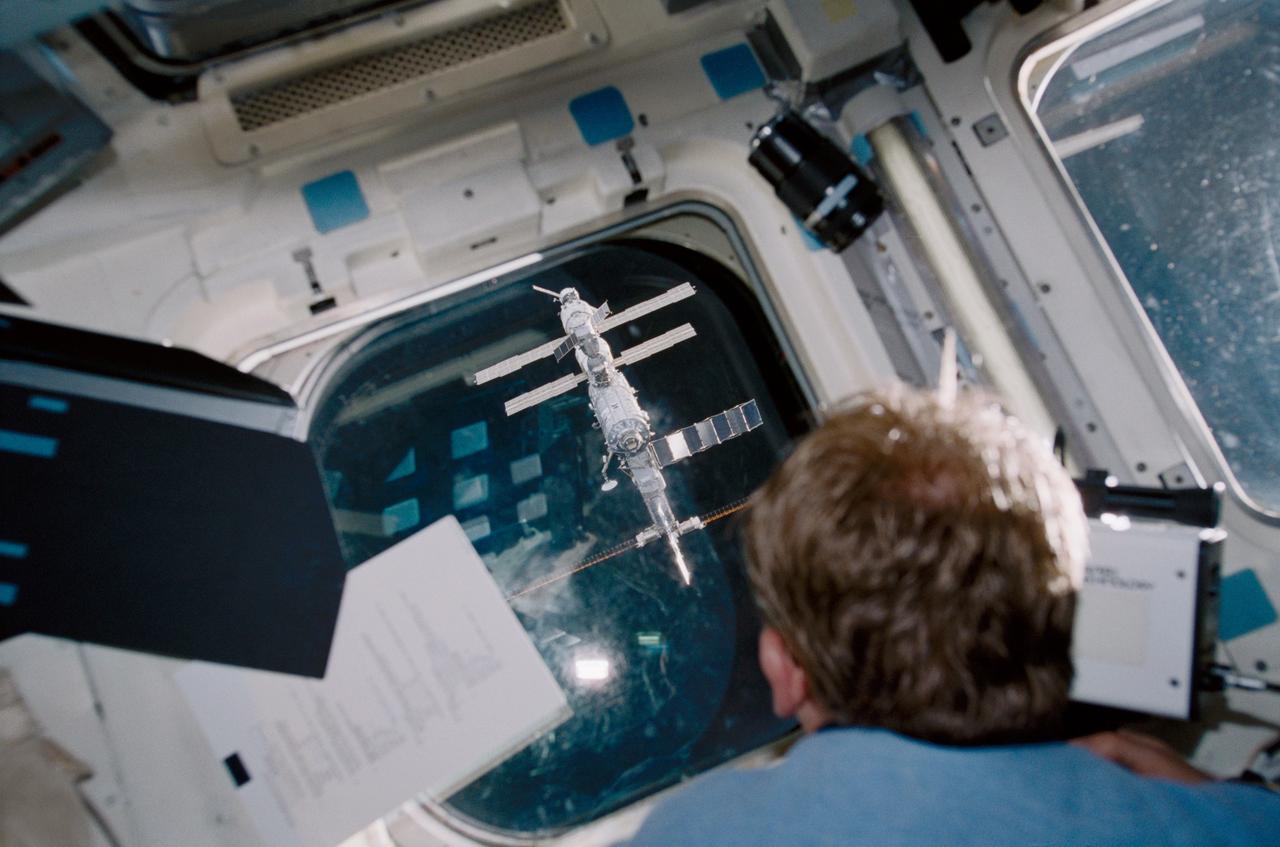
This view of the International Space Station (ISS) was photographed by an STS-112 crew member aboard the Space Shuttle Atlantis during rendezvous and docking operations. Launched October 7, 2002 aboard the Space Shuttle Orbiter Atlantis, the STS-112 mission lasted 11 days and performed three sessions of Extra Vehicular Activity (EVA). Its primary mission was to install the Starboard (S1) Integrated Truss Structure an

2001مكتبة صور وفيديو ناسا

International Space Station (ISS)

STS-102 astronaut and mission specialist, Andrew S.W. Thomas, gazes through an aft window of the Space Shuttle Orbiter Discovery as it approaches the docking bay of the International Space Station (ISS). Launched March 8, 2001, STS-102's primary cargo was the Leonardo, the Italian Space Agency-built Multipurpose Logistics Module (MPLM). The Leonardo MPLM is the first of three such pressurized modules that will serve

2001مكتبة صور وفيديو ناسا

International Space Station (ISS)

STS-102 mission astronauts James S. Voss and James D. Weatherbee share a congratulatory handshake as the Space Shuttle Orbiter Discovery successfully docks with the International Space Station (ISS). Photographed from left to right are: Astronauts Susan J. Helms, mission specialist; James S. Voss, Expedition 2 crew member; James D. Weatherbee, mission commander; Andrew S.W. Thomas, mission specialist; and nearly out

2001مكتبة صور وفيديو ناسا

International Space Station (ISS)

STS-102 mission astronaut Susan J. Helms translates along the longerons of the Space Shuttle Discovery during the first of two space walks. During this walk, the Pressurized Mating Adapter 3 was prepared for repositioning from the Unity Module's Earth-facing berth to its port-side berth to make room for the Leonardo multipurpose Logistics Module (MPLM), supplied by the Italian Space Agency. The Leonardo MPLM is the f

2001مكتبة صور وفيديو ناسا

International Space Station (ISS)

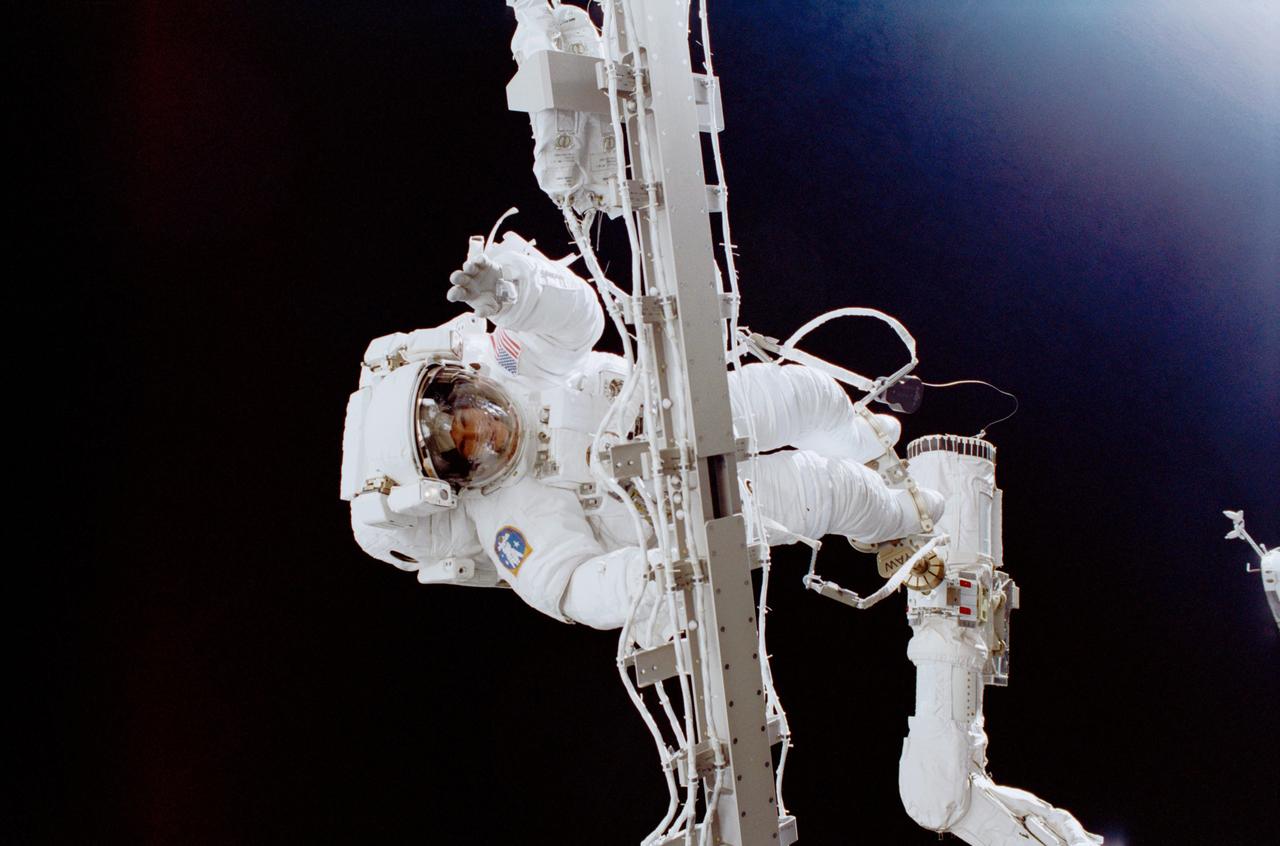
STS-102 mission astronaut Susan J. Helms works outside the International Space Station (ISS) while holding onto a rigid umbilical and her feet anchored to the Remote Manipulator System (RMS) robotic arm on the Space Shuttle Discovery during the first of two space walks. During this space walk, the longest to date in space shuttle history, Helms in tandem with James S. Voss (out of frame), prepared the Pressurized Mat

2001مكتبة صور وفيديو ناسا

International Space Station (ISS)

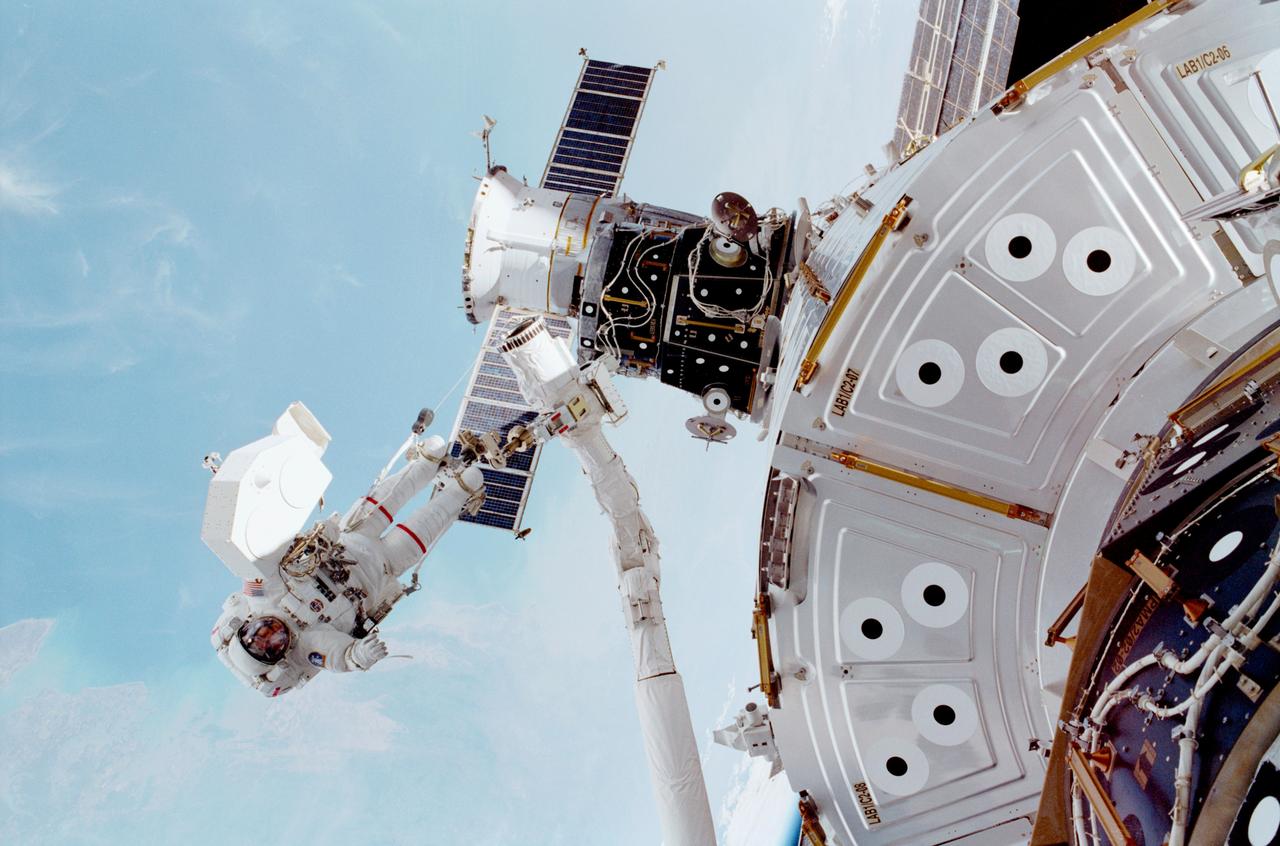
STS-102 astronaut and mission specialist James S. Voss works outside Destiny, the U.S. Laboratory (shown in lower frame) on the International Space Station (ISS), while anchored to the Remote Manipulator System (RMS) robotic arm on the Space Shuttle Discovery during the first of two space walks. During this space walk, the longest to date in space shuttle history, Voss in tandem with Susan Helms (out of frame), prepa

2001مكتبة صور وفيديو ناسا

International Space Station (ISS)

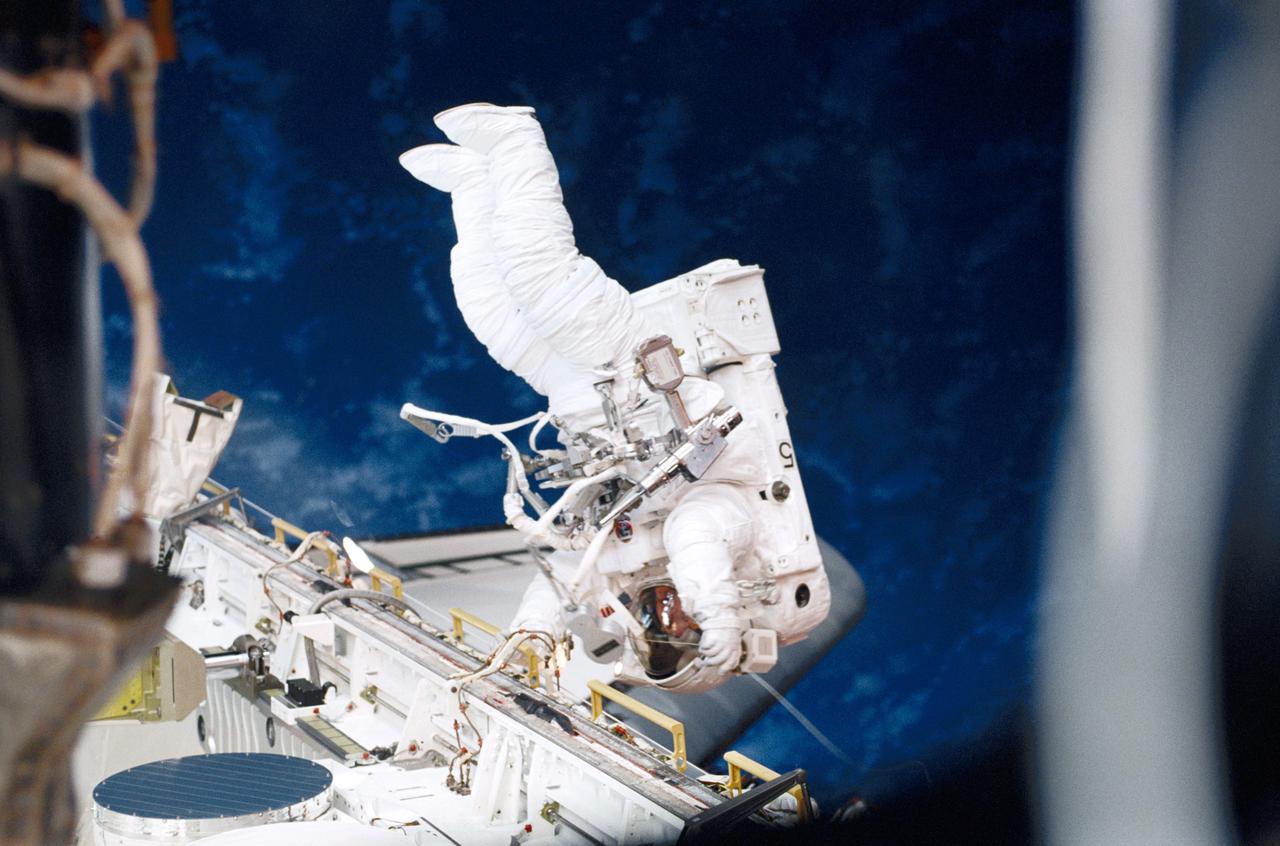
Astronaut Paul W. Richards, STS-102 mission specialist, works in the cargo bay of the Space Shuttle Discovery during the second of two scheduled space walks. Richards, along with astronaut Andy Thomas, spent 6.5 hours outside the International Space Station (ISS), continuing work to outfit the station and prepare for delivery of its robotic arm. STS-102 delivered the first Multipurpose Logistics Modules (MPLM) named

2001مكتبة صور وفيديو ناسا

International Space Station (ISS)

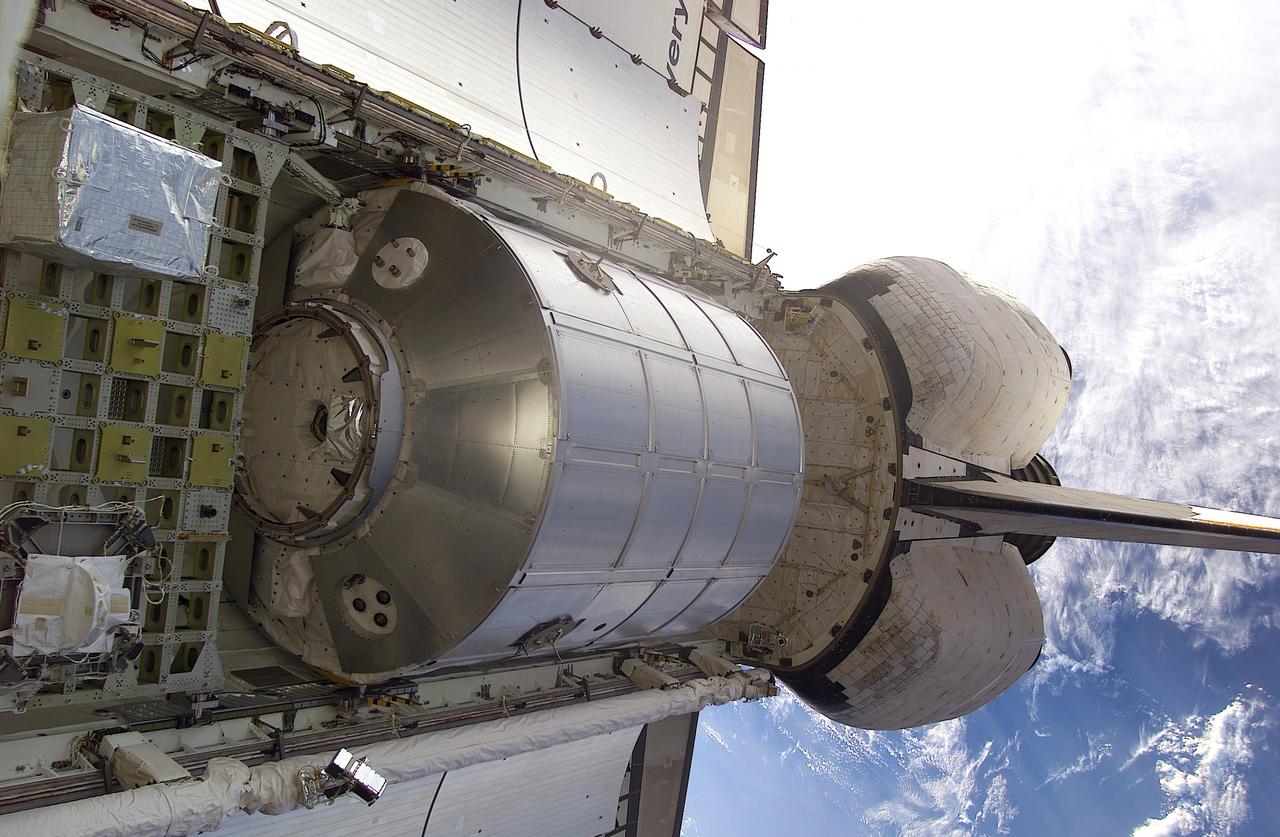
This in-orbit close up shows the Italian Space Agency-built multipurpose Logistics Module (MPLM), Leonardo, the primary cargo of the STS-102 mission, resting in the payload bay of the Space Shuttle Orbiter Discovery. The Leonardo MPLM is the first of three such pressurized modules that will serve as the International Space Station's (ISS') moving vans, carrying laboratory racks filled with equipment, experiments, and

2001مكتبة صور وفيديو ناسا

International Space Station (ISS)

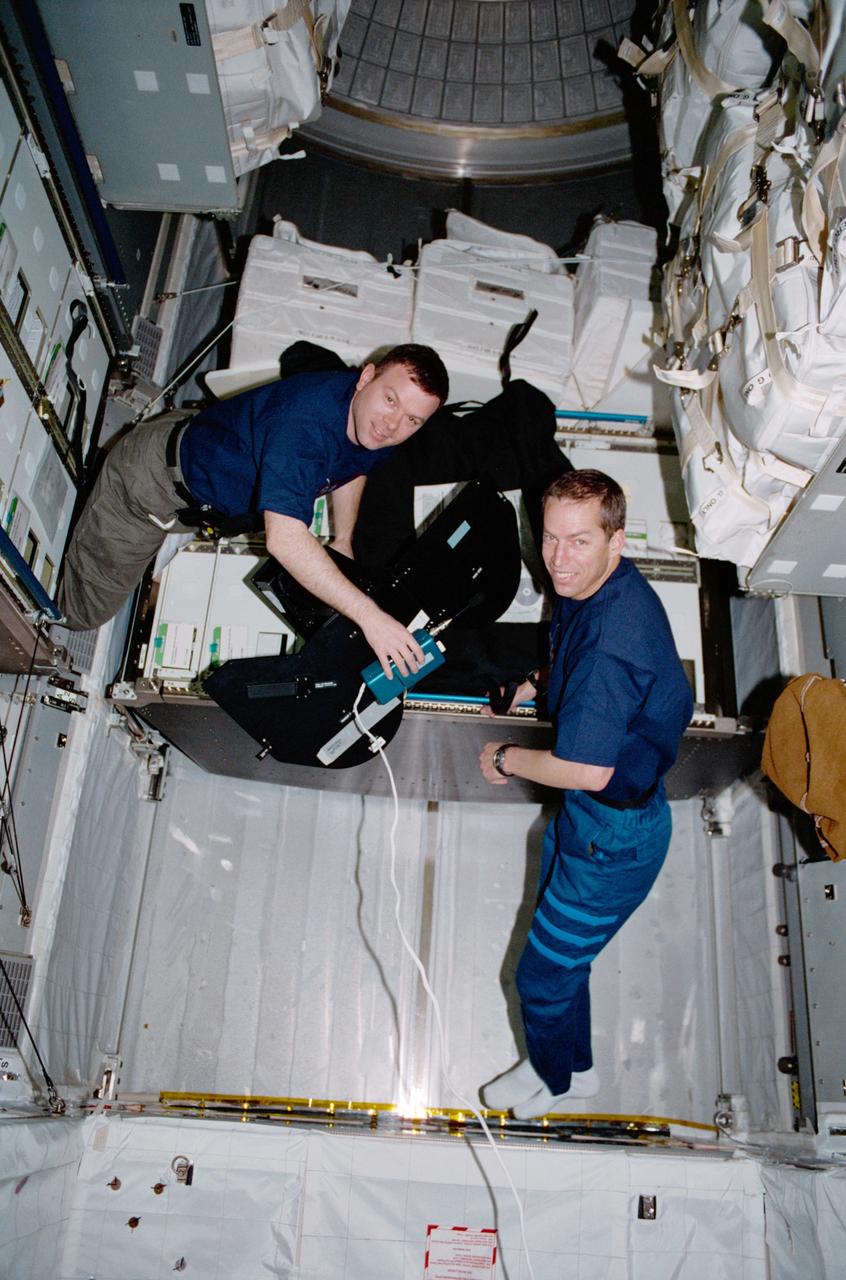
Pilot James M. Kelly (left) and Commander James D. Wetherbee for the STS-102 mission, participate in the movement of supplies inside Leonardo, the Italian Space Agency built Multipurpose Logistics Module (MPLM). In this particular photograph, the two are handling a film magazine for the IMAX cargo bay camera. The primary cargo of the STS-102 mission, the Leonardo MPLM is the first of three such pressurized modules th

2001مكتبة صور وفيديو ناسا

International Space Station (ISS)

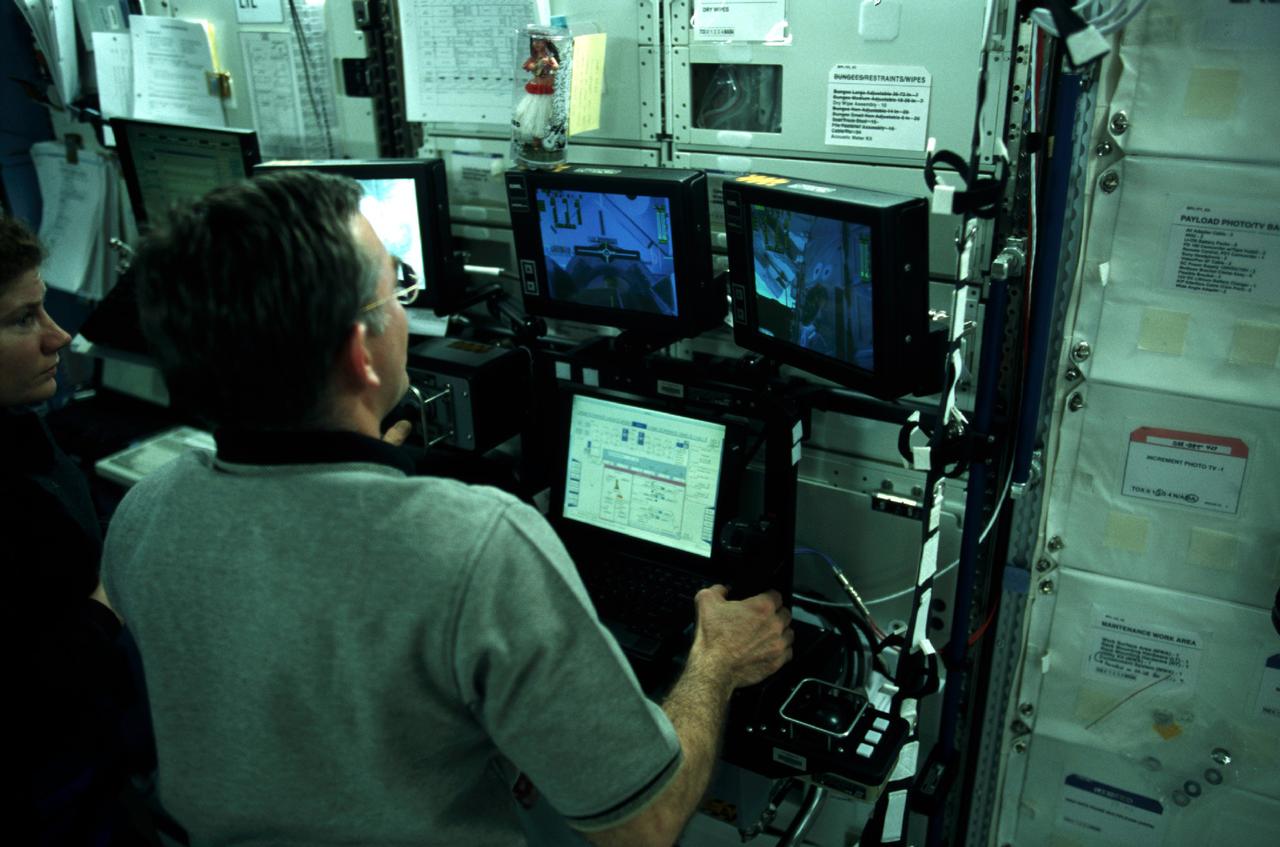
A Canadian "handshake" in space occurred on April 28, 2001, as the Canadian-built space station robotic arm (Canadarm2) transferred its launch cradle over to Endeavour's robotic arm. Pictured is astronaut James S. Voss, Expedition Two flight engineer, working the controls of the new robotic arm. Marning the controls from the shuttle's aft flight deck, Canadian Mission Specialist Chris A. Hadfield of the Canadian Spac

2002مكتبة صور وفيديو ناسا

International Space Station (ISS)

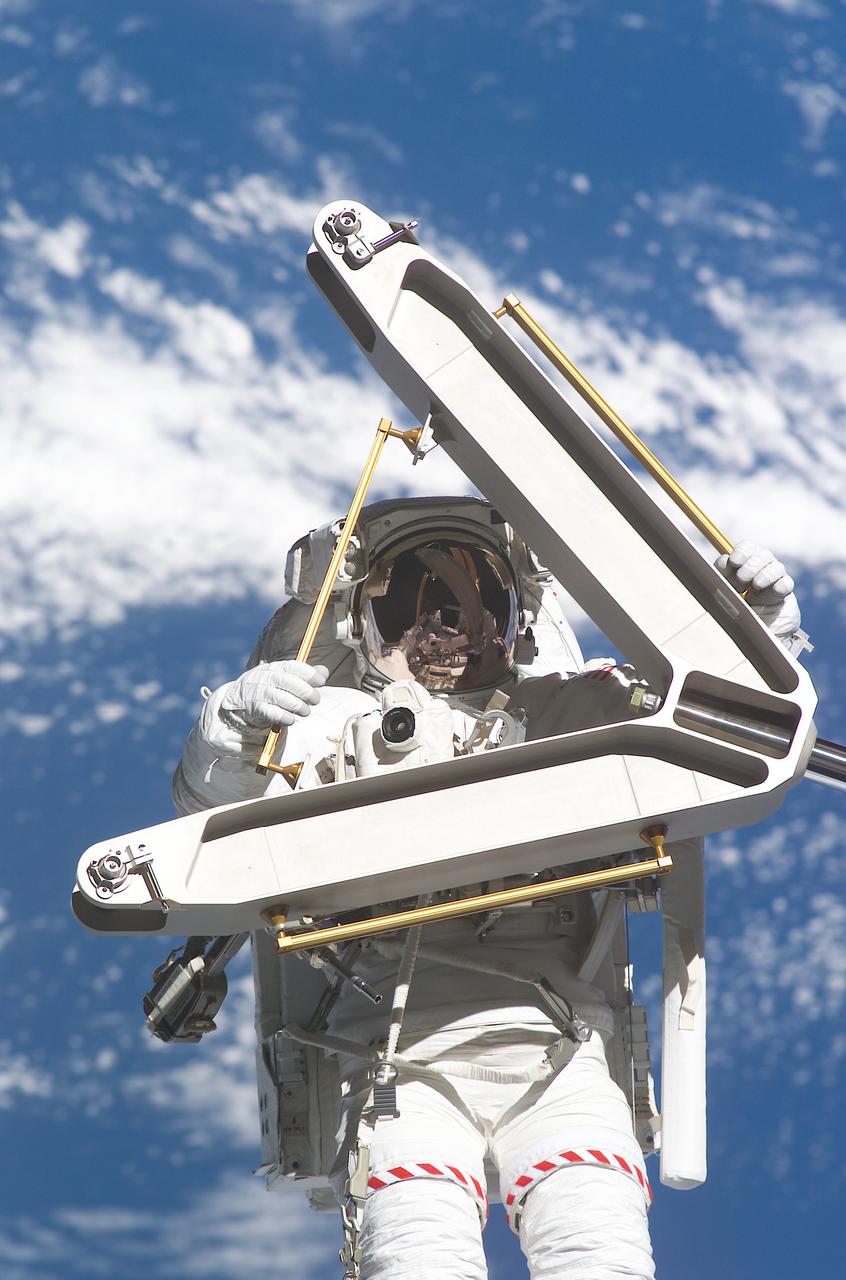
Hovering in space some 240 miles above the blue and white Earth, STS-110 astronaut M.E. Morin participates in his first ever and second of four scheduled space walks for the STS-110 mission. He is seen toting one of the S0 (S-Zero) keel pins which were removed from their functional position on the truss and attached on the truss' exterior for long term stowage. The 43-foot-long, 27,000 pound S0 truss was the first of

2003مكتبة صور وفيديو ناسا

International Space Station (ISS)

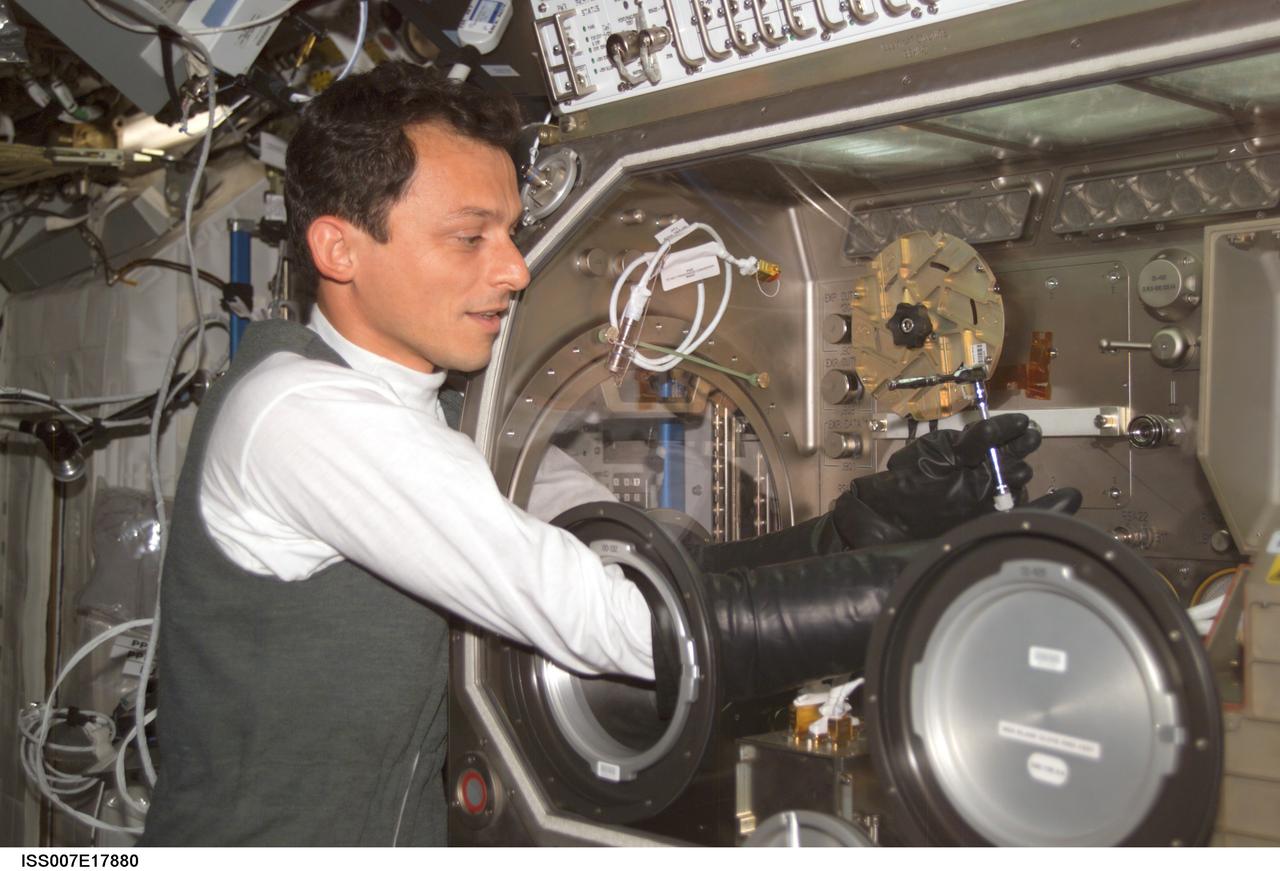
In the Destiny laboratory aboard the International Space Station (ISS), European Space Agency (ESA) astronaut Pedro Duque of Spain is seen working at the Microgravity Science Glovebox (MSG). He is working with the PROMISS experiment, which will investigate the growth processes of proteins during weightless conditions. The PROMISS is one of the Cervantes program of tests (consisting of 20 commercial experiments). The

2004مكتبة صور وفيديو ناسا

Earth Science

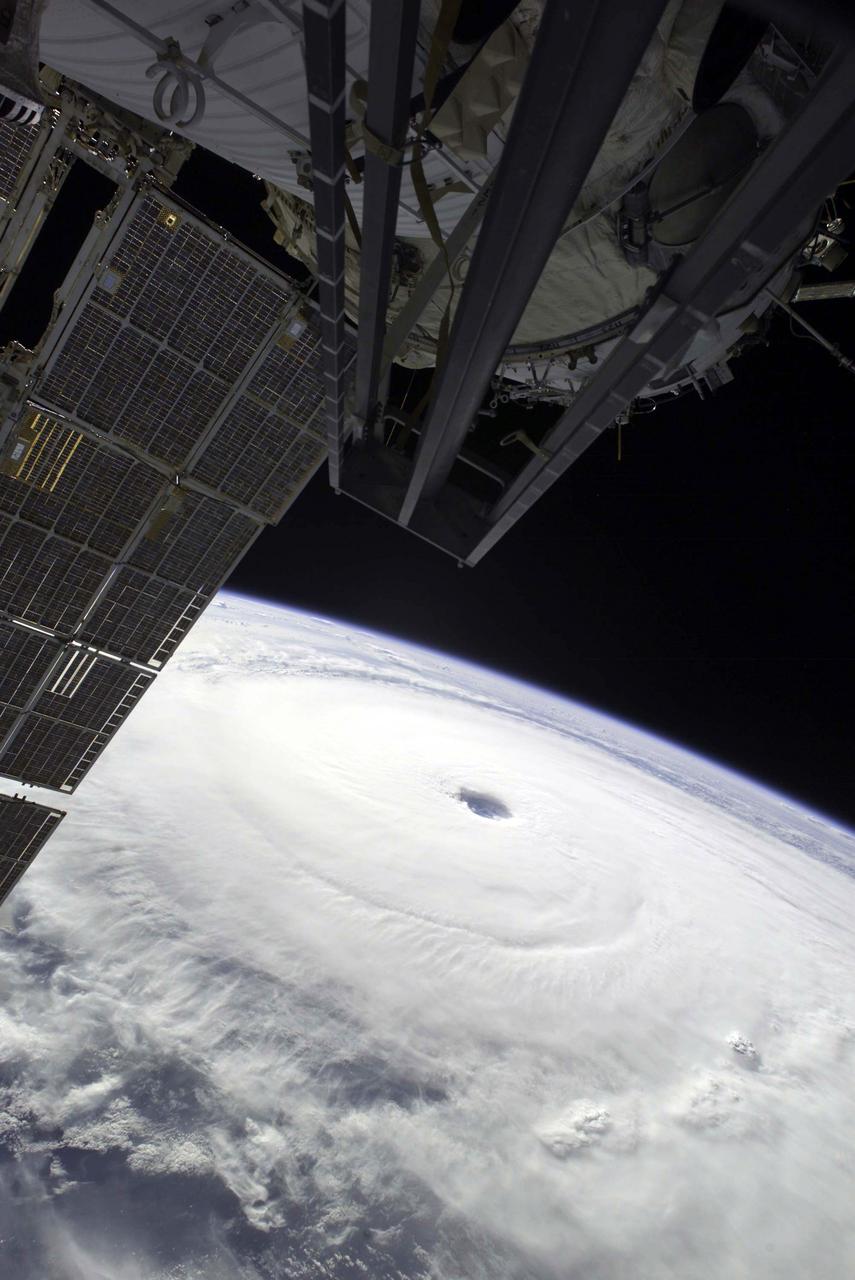
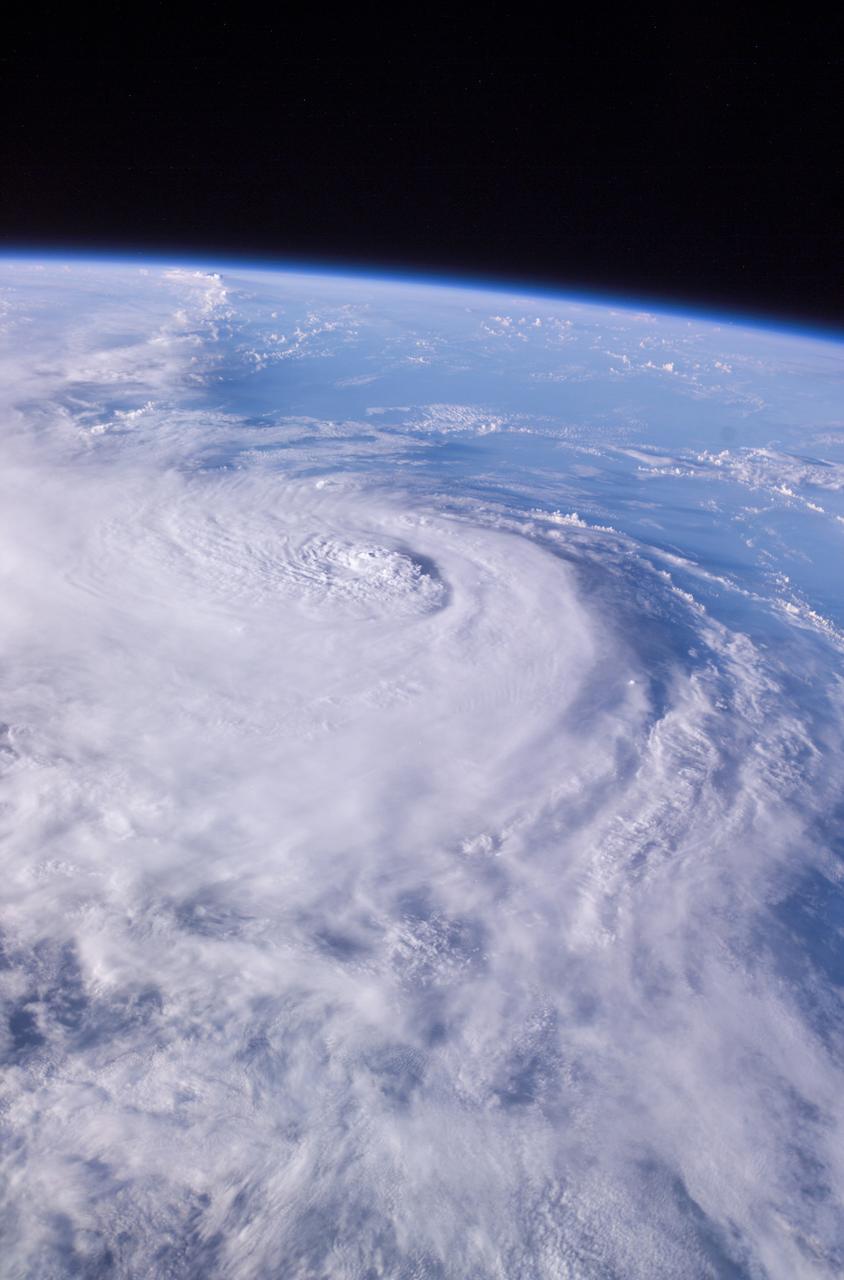
Except for a small portion of the International Space Station (ISS) in the foreground, Hurricane Ivan, one of the strongest hurricanes on record, fills this image over the northern Gulf of Mexico. As the downgraded category 4 storm approached landfall on the Alabama coast Wednesday afternoon on September 15, 2004, sustained winds in the eye of the wall were reported at about 135 mph. The hurricane was photographed by

2004مكتبة صور وفيديو ناسا

Earth Science

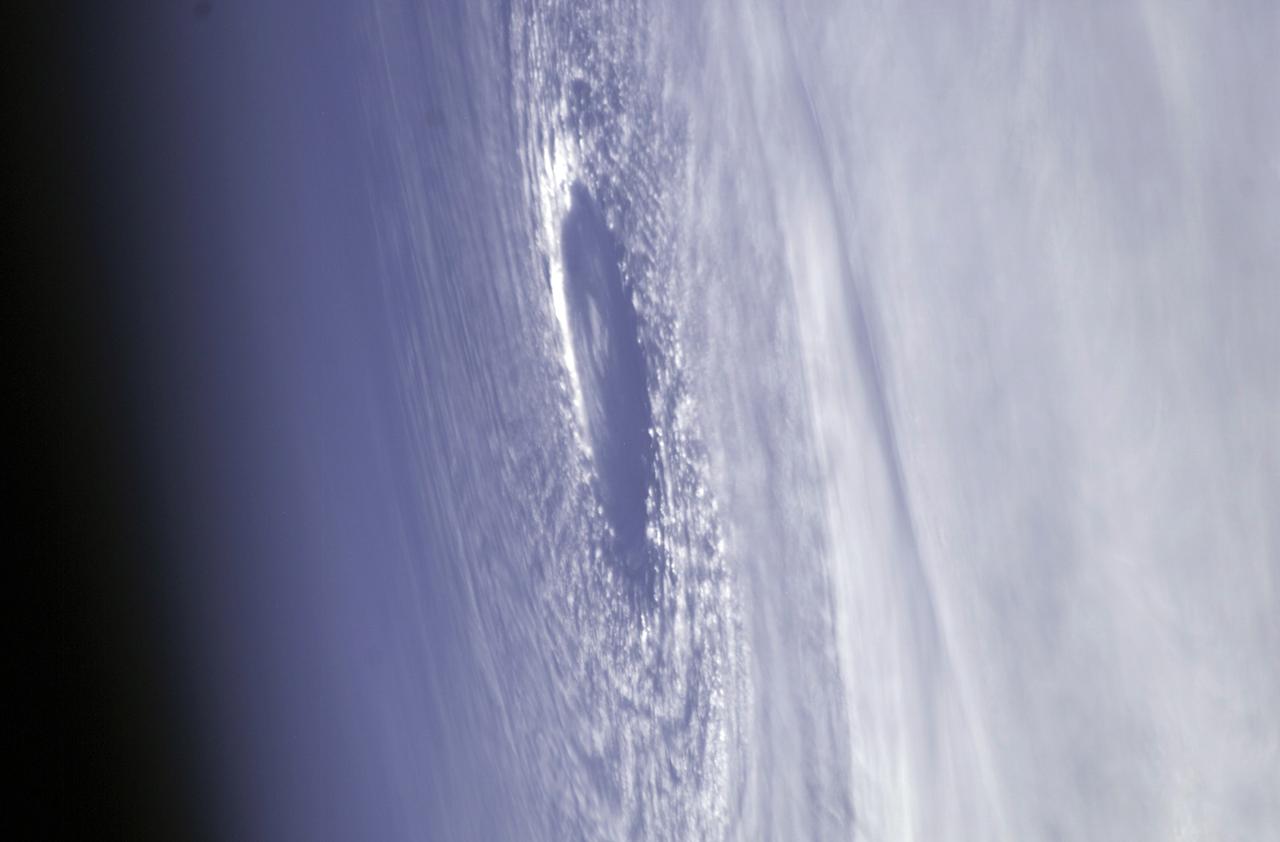
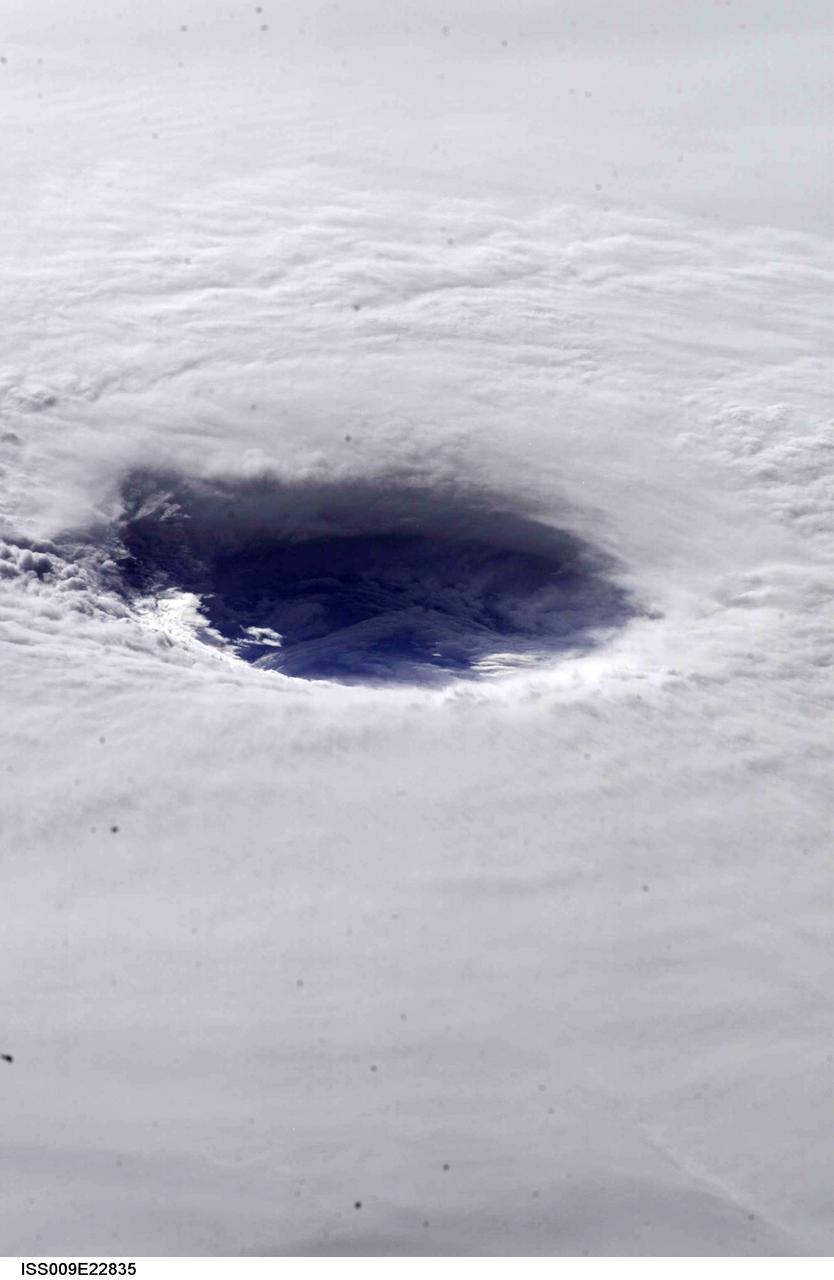
This image hosts a look at the eye of Hurricane Ivan, one of the strongest hurricanes on record, as the storm topped the western Caribbean Sea on Saturday, September 11, 2004. The hurricane was photographed by astronaut Edward M. (Mike) Fincke from aboard the International Space Station (ISS) at an altitude of approximately 230 miles. At the time, the category 5 storm sustained winds in the eye of the wall that were

2004مكتبة صور وفيديو ناسا

Earth Science

This image hosts a look into the eye of Hurricane Ivan, one of the strongest hurricanes on record, as the storm approached landfall on the central Gulf coast Wednesday afternoon on September 15, 2004. The hurricane was photographed by astronaut Edward M. (Mike) Fincke from aboard the International Space Station (ISS) at an altitude of approximately 230 miles. At the time, sustained winds in the eye of the wall were r

2004مكتبة صور وفيديو ناسا

Earth Science

This panoramic view of Hurricane Charley was photographed by the Expedition 9 crew aboard the International Space Station (ISS) on August 13, 2004, at a vantage point just north of Tampa, Florida. The small eye was not visible in this view, but the raised cloud tops near the center coincide roughly with the time that the storm began to rapidly strengthen. The category 2 hurricane was moving north-northwest at 18 mph

2004مكتبة صور وفيديو ناسا

Space Shuttle Projects

The Space Shuttle External Tank 120 is shown here in its vertical position in NASA’s Michoud Assembly Facility in New Orleans. Slated for launch on the Orbiter Discovery scheduled for next Spring, the tank is in position for its new foam application process on the liquid hydrogen tank-to-inter tank flange area, a tank structural connection point. The foam will be applied with an enhanced finishing procedure that requ

2004مكتبة صور وفيديو ناسا

Space Shuttle Projects

The Space Shuttle External Tank 120 is shown here during transfer in NASA’s Michoud Assembly Facility in New Orleans. Slated for launch on the Orbiter Discovery scheduled for next Spring, the tank will be erected vertically in preparation for its new foam application process on the liquid hydrogen tank-to-inter tank flange area, a tank structural connection point. The foam will be applied with an enhanced finishing p