English

NASA Image and Video Library

السجلات المفهرسة تحت NASA Image and Video Library مع المعرّفات والروابط وبيانات الحقوق الأصلية. هذه المواد المستوردة وليست كامل مقتنيات المؤسسة. تحقق من المؤسسة الأصلية عندما يكون المصدر مجمّعًا للبيانات.

4,093 سجلًا مطابقًا؛ الأوصاف والعناوين الأصلية محفوظة. البحث والمرشحات →

التحقق من الأدلة · توثيق المادة والمقطع · الحقوق

1995مكتبة صور وفيديو ناسا

Space Shuttle Projects

This image of the Space Shuttle Orbiter Atlantis, with cargo bay doors open showing Spacelab Module for the Spacelab Life Science and the docking port, was photographed from the Russian Mir Space Station during STS-71 mission. The STS-71 mission performed the first docking with the Russian Mir Space Station to exchange crews. The Mir 19 crew, cosmonauts Anatoly Solovyev and Nikolai Budarin, replaced the Mir 18 crew,

1995مكتبة صور وفيديو ناسا

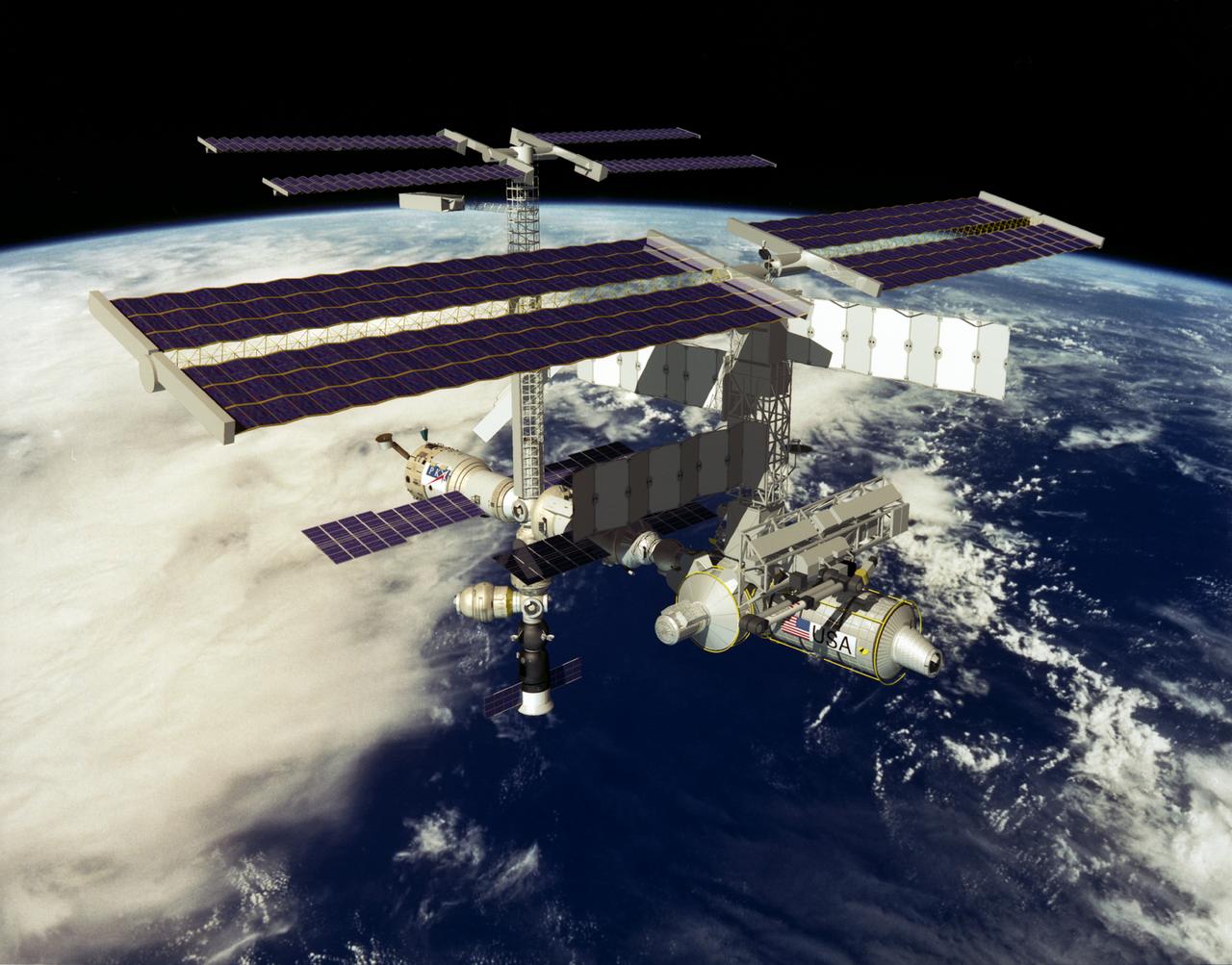
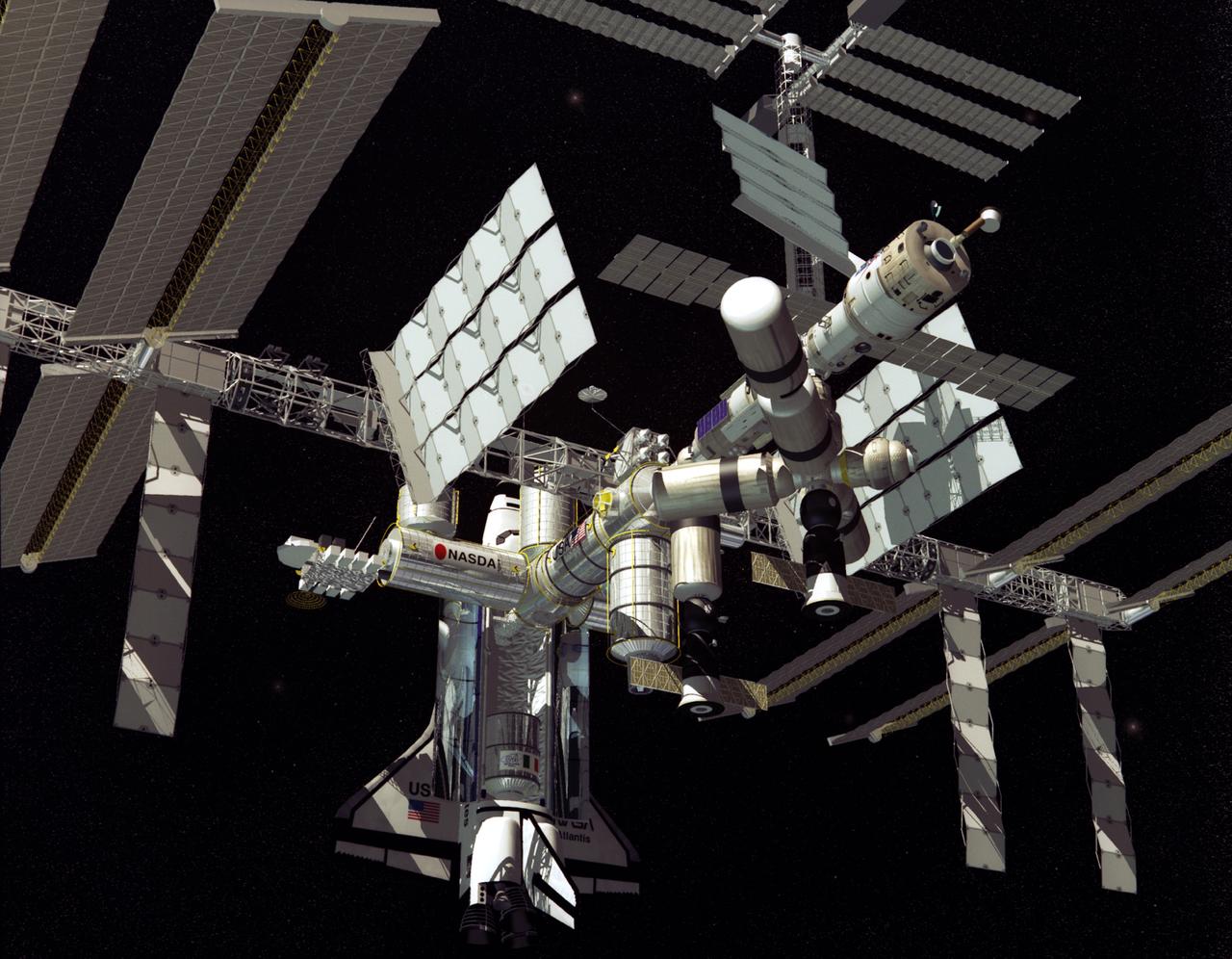
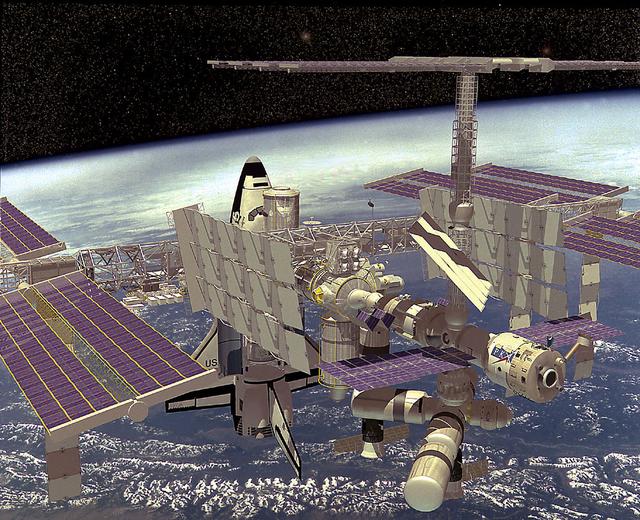
International Space Station (ISS)

Artist's concept for Phase III of the International Space Station (ISS) as shown here in its completed and fully operational state with elements from the United States, Europe, Canada, Japan, and Russia. Sixteen countries are cooperating to provide a multidisciplinary laboratory, technology test bed, and observatory that will provide an unprecedented undertaking in scientific, technological, and international experim

1972مكتبة صور وفيديو ناسا

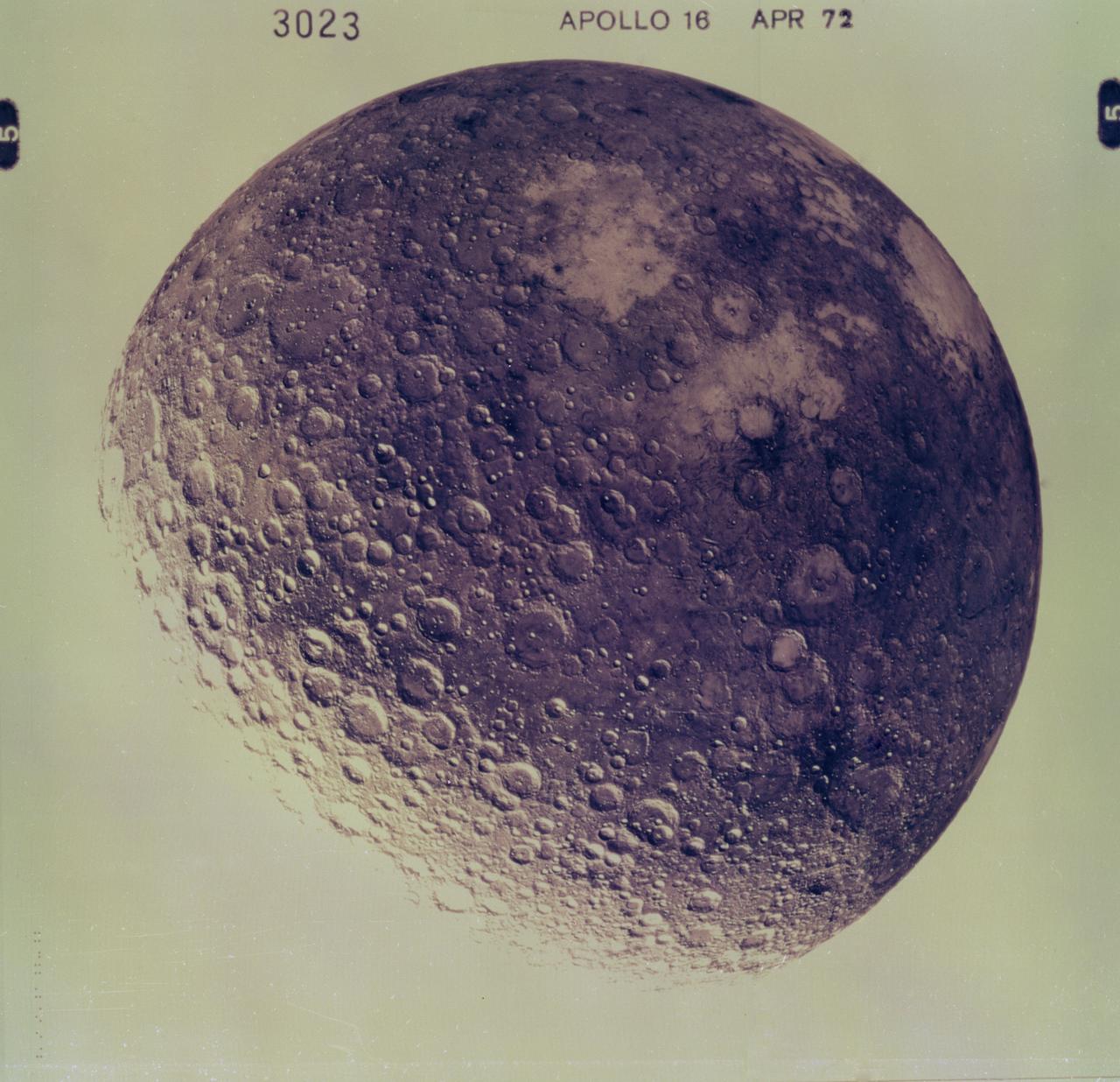
Saturn Apollo Program

This view of the back side of the Moon was captured by the Apollo 16 mission crew. The sixth manned lunar landing mission, the Apollo 16 (SA-511), carrying three astronauts: Mission Commander John W. Young, Command Module pilot Thomas K. Mattingly II, and Lunar Module pilot Charles M. Duke, lifted off on April 16, 1972. The Apollo 16 continued the broad-scale geological, geochemical, and geophysical mapping of the Mo

1994مكتبة صور وفيديو ناسا

Earth Science

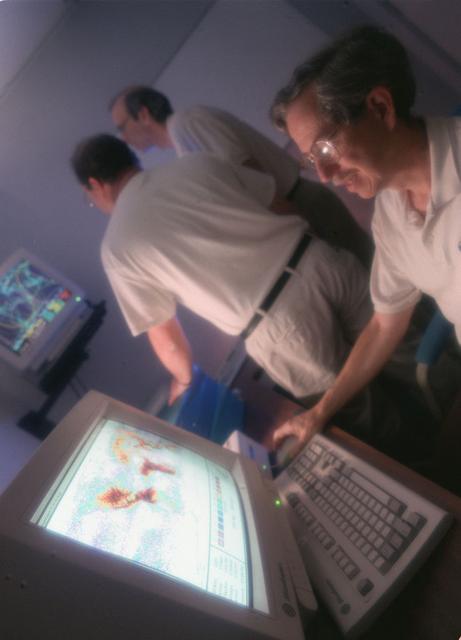
Workers at the Astrotech processing facility in Titusville prepared for a news media showing of the Geostationary Operational Environmental Satellite-1 (GOES-1). GOES-1 was the first in a new generation of weather satellites deployed above Earth. It was the first 3-axis, body-stabilized meteorological satellite to be used by the National Oceanic Atmospheric Administration (NOAA) and NASA. These features allowed GOES-

1995مكتبة صور وفيديو ناسا

Earth Science

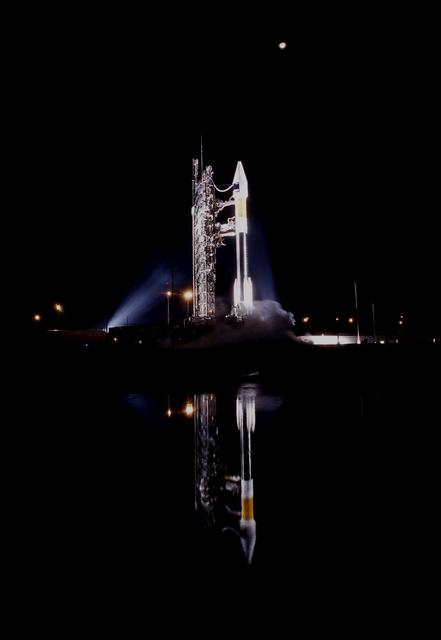
The reflection of the Atlas IIAS expendable launch vehicle with the Solar Heliospheric Observatory (SOHO) inside its payload fairing can be seen on the surface of a retention pond at Launch Pad 36B on Cape Canaveral Air Station just hours before liftoff. SOHO is a cooperative effort involving NASA and the European Space Agency (ESA) within the framework of the International Solar-Terrestrial Physics Program. During i

1995مكتبة صور وفيديو ناسا

Earth Science

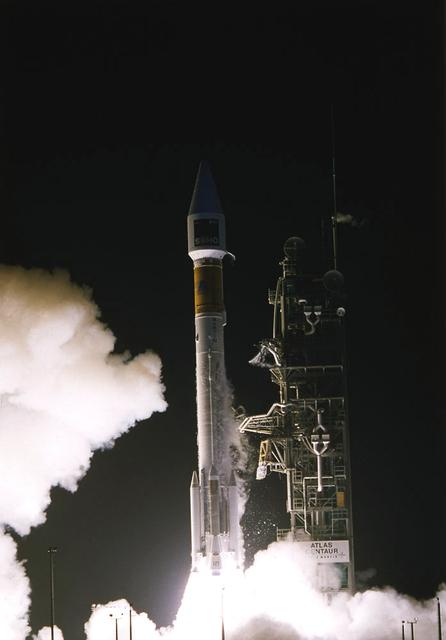
The Solar Heliospheric Observatory (SOHO) is launched atop an ATLAS-IIAS expendable launch vehicle. Liftoff from launch complex 36B at Cape Canaveral Air Station marked the 10th Atlas launch from the Eastern range for 1995. SOHO is a cooperative effort involving NASA and the European Space Agency (ESA) within the framework of the International Solar-Terrestrial Physics Program. During its 2-year mission, the SOHO spa

1996مكتبة صور وفيديو ناسا

Earth Science

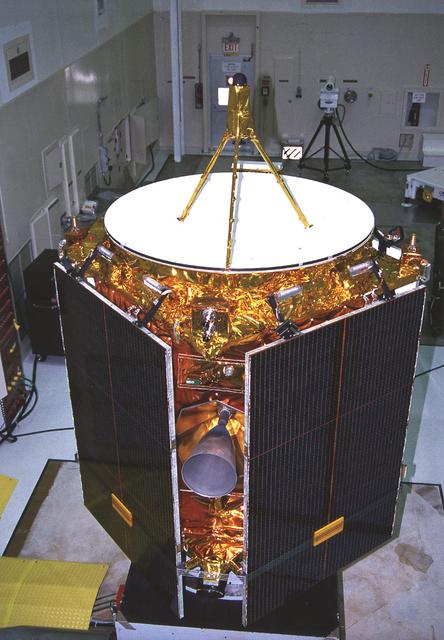
The Near Earth Asteroid Rendezvous (NEAR) spacecraft undergoing preflight preparation in the Spacecraft Assembly Encapsulation Facility-2 (SAEF-2) at Kennedy Space Center (KSC). NEAR will perform two critical mission events - Mathilde flyby and the Deep-Space maneuver. NEAR will fly-by Mathilde, a 38-mile (61-km) diameter C-type asteroid, making use of its imaging system to obtain useful optical navigation images. Th

1996مكتبة صور وفيديو ناسا

Earth Science

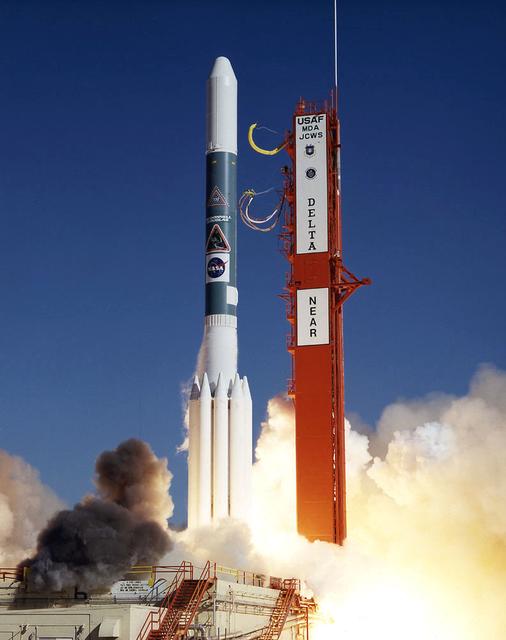
The Near Earth Asteroid Rendezvous (NEAR) spacecraft embarks on a journey that will culminate in a close encounter with an asteroid. The launch of NEAR inaugurates NASA's irnovative Discovery program of small-scale planetary missions with rapid, lower-cost development cycles and focused science objectives. NEAR will rendezvous in 1999 with the asteroid 433 Eros to begin the first long-term, close-up look at an astero

1997مكتبة صور وفيديو ناسا

International Space Station (ISS)

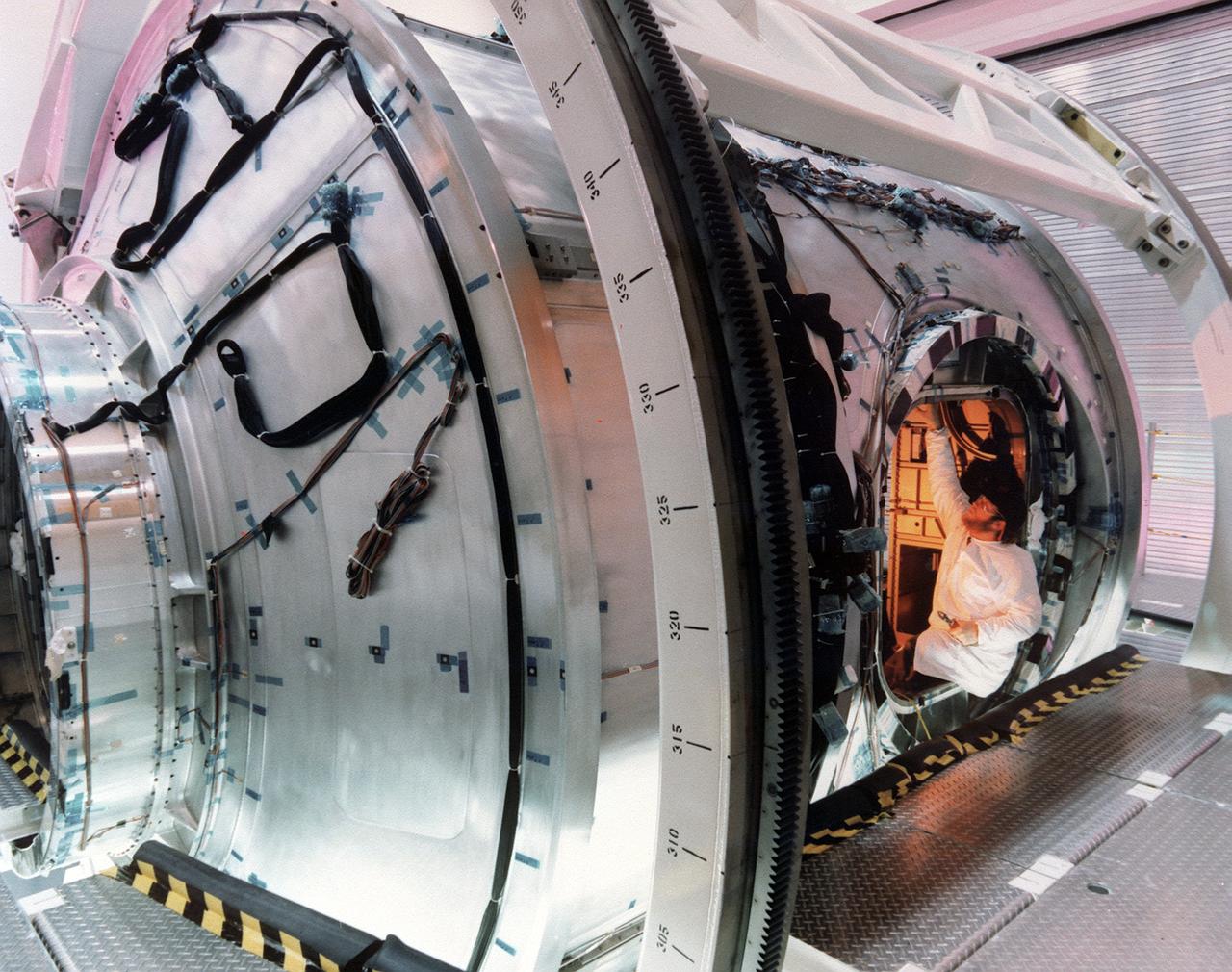
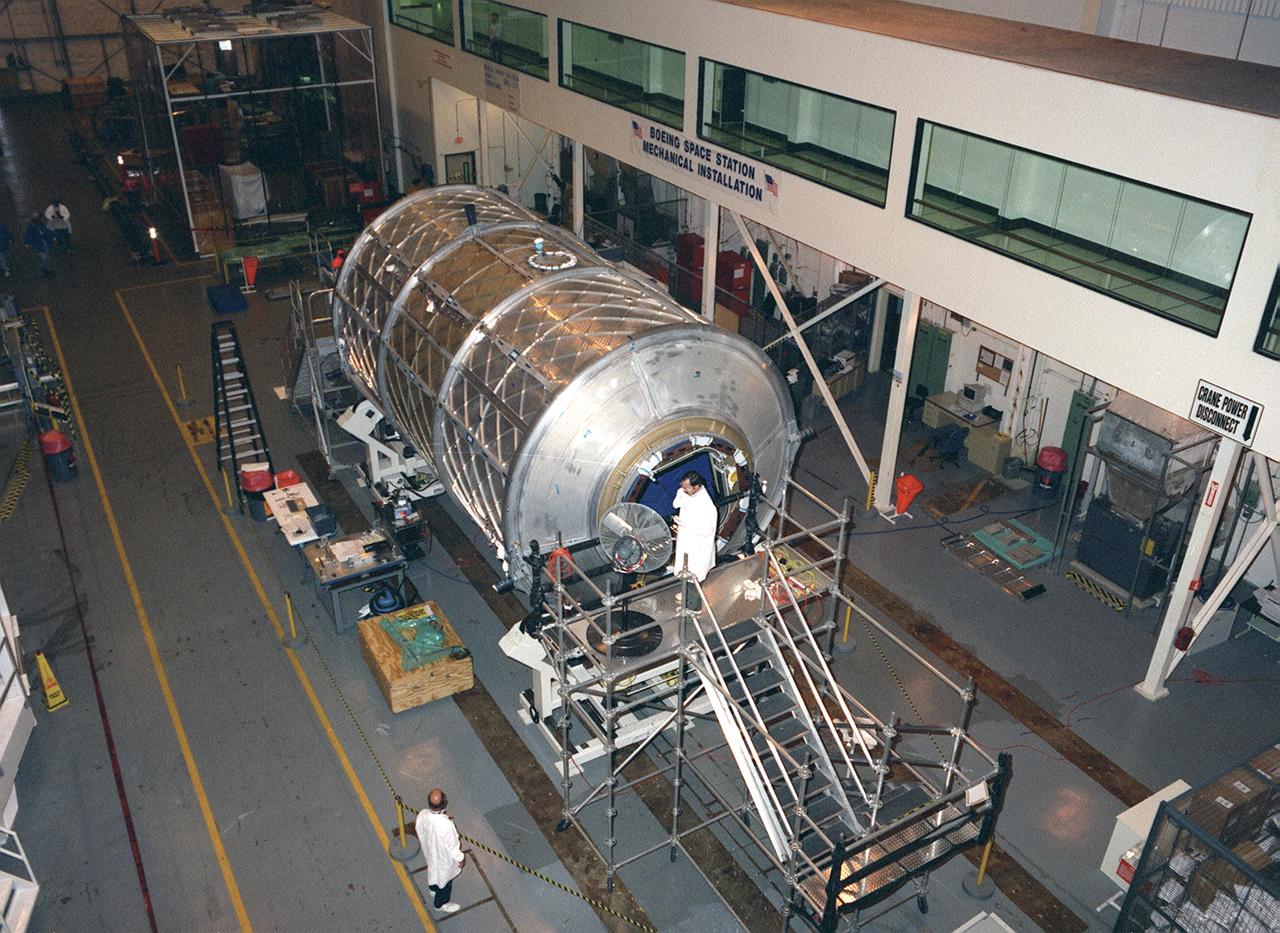
This photograph, taken by the Boeing Company,shows Boeing technicians preparing to install one of six hatches or doors to the Node 1 (also called Unity), the first U.S. Module for the International Space Station (ISS). The Node 1, or Unity, serves as a cornecting passageway to Space Station modules and was manufactured by the Boeing Company at the Marshall Space Flight Center from 1994 to 1997. The U.S. built Unity m

1997مكتبة صور وفيديو ناسا

International Space Station (ISS)

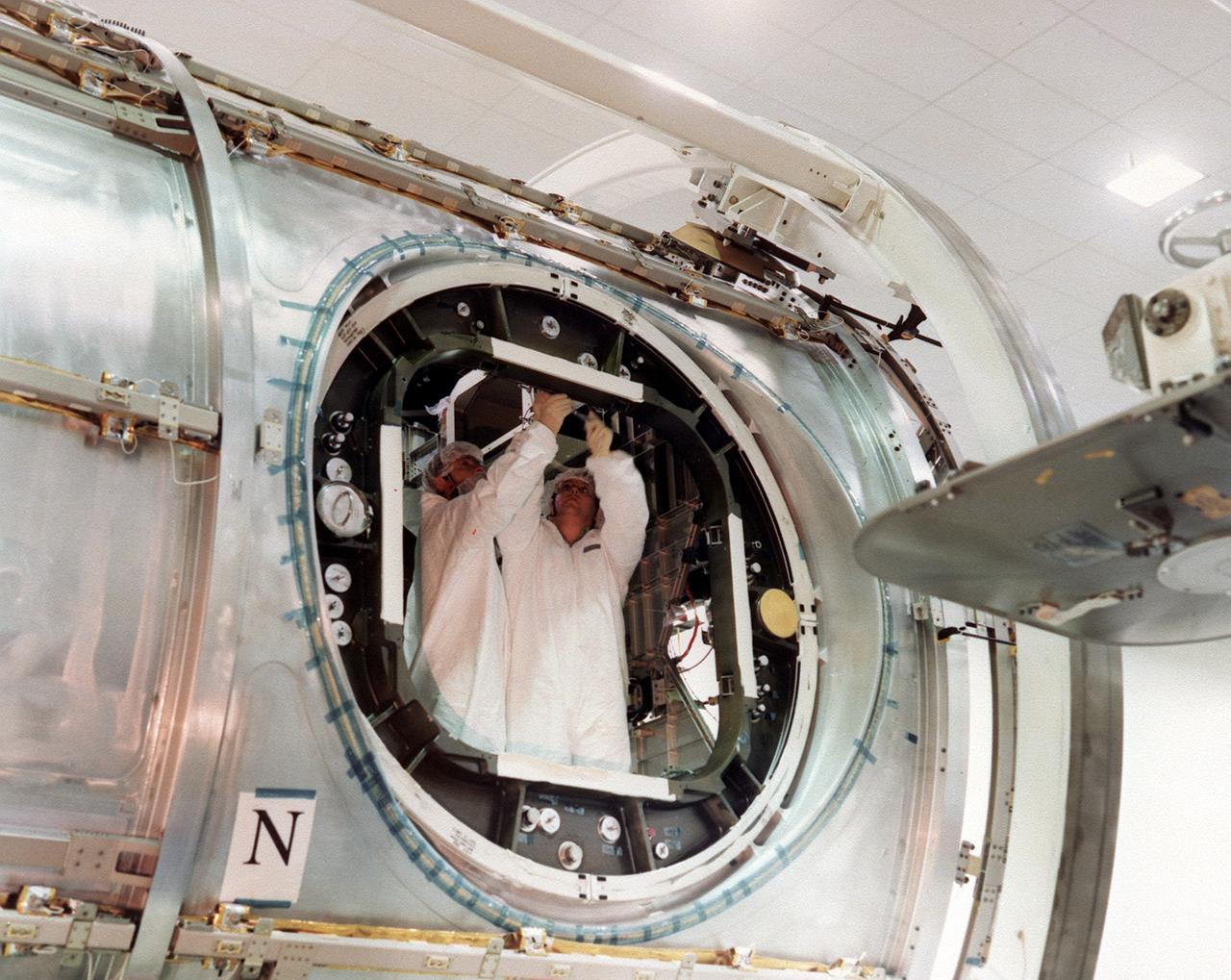
This photograph, taken by the Boeing Company, shows Boeing technicians preparing to install one of six hatches or doors to the Node 1 (also called Unity), the first U.S. Module for the International Space Station (ISS). The Node 1, or Unity, serves as a cornecting passageway to Space Station modules and was manufactured by the Boeing Company at the Marshall Space Flight Center from 1994 to 1997. The U.S. built Unity

1997مكتبة صور وفيديو ناسا

International Space Station (ISS)

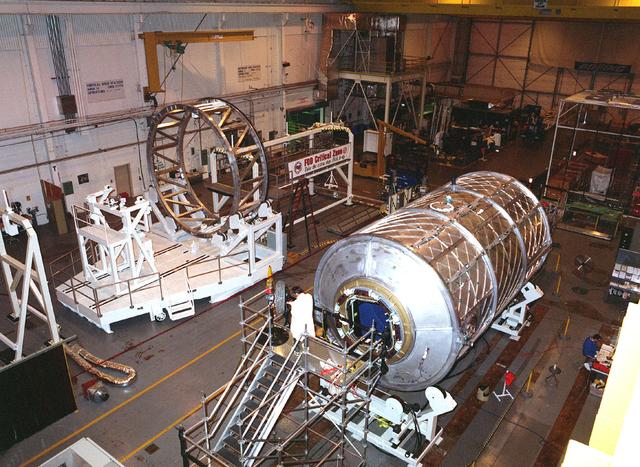
This Boeing photograph shows the Node 1, Unity module, Flight Article (at right) and the U.S. Laboratory module, Destiny, Flight Article for the International Space Station (ISS) being manufactured in the High Bay Clean Room of the Space Station Manufacturing Facility at the Marshall Space Flight Center. The Node 1, or Unity, serves as a cornecting passageway to Space Station modules. The U.S. built Unity module was

1996مكتبة صور وفيديو ناسا

Space Shuttle Projects

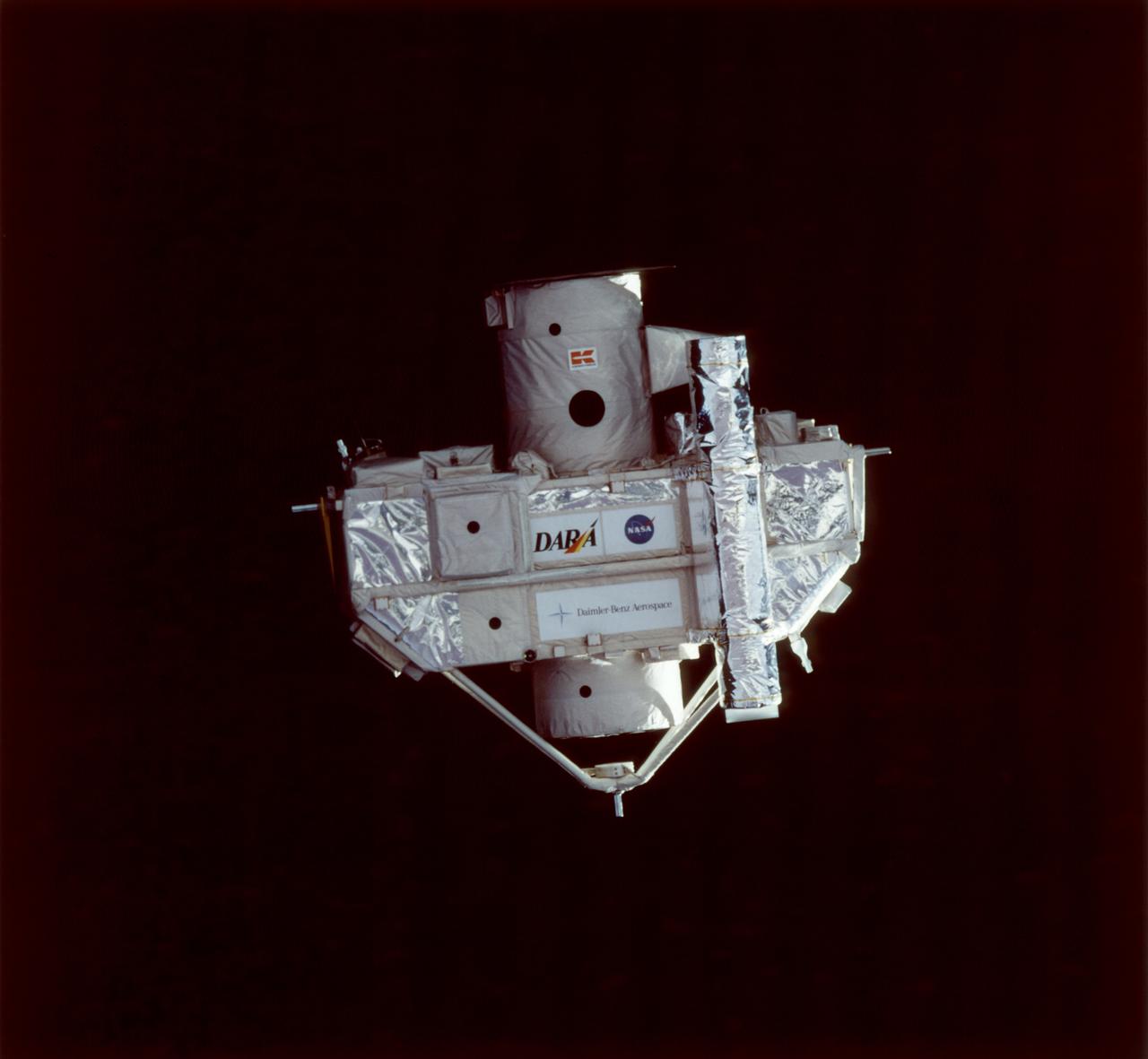
This STS-80 onboard photograph shows the Orbiting Retrievable Far and Extreme Ultraviolet Spectrometer-Shuttle Pallet Satellite II (ORFEUS-SPAS II), photographed during approach by the Space Shuttle Orbiter Columbia for retrieval. Built by the German Space Agency, DARA, the ORFEUS-SPAS II, a free-flying satellite, was dedicated to astronomical observations at very short wavelengths to: investigate the nature of hot s

1997مكتبة صور وفيديو ناسا

International Space Station (ISS)

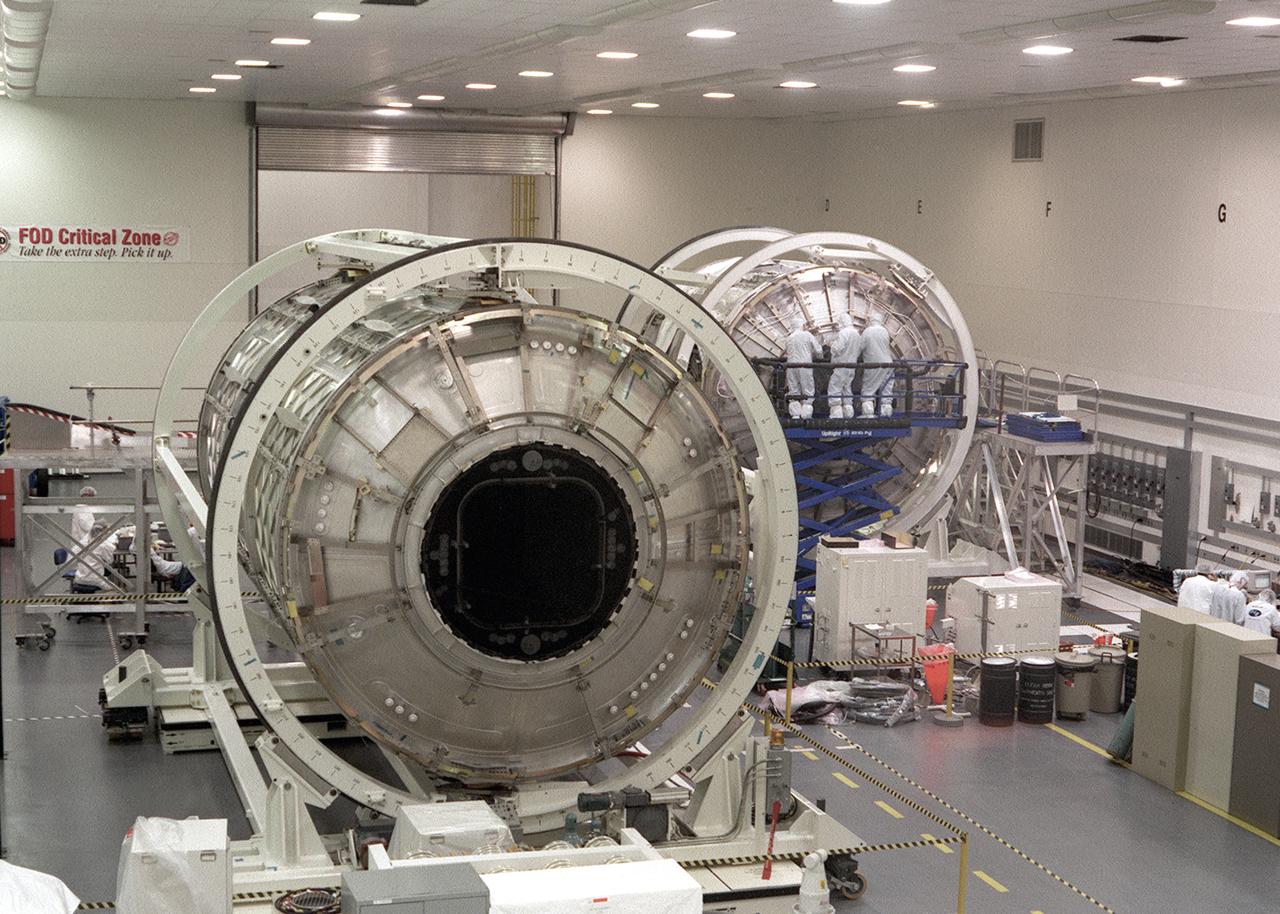
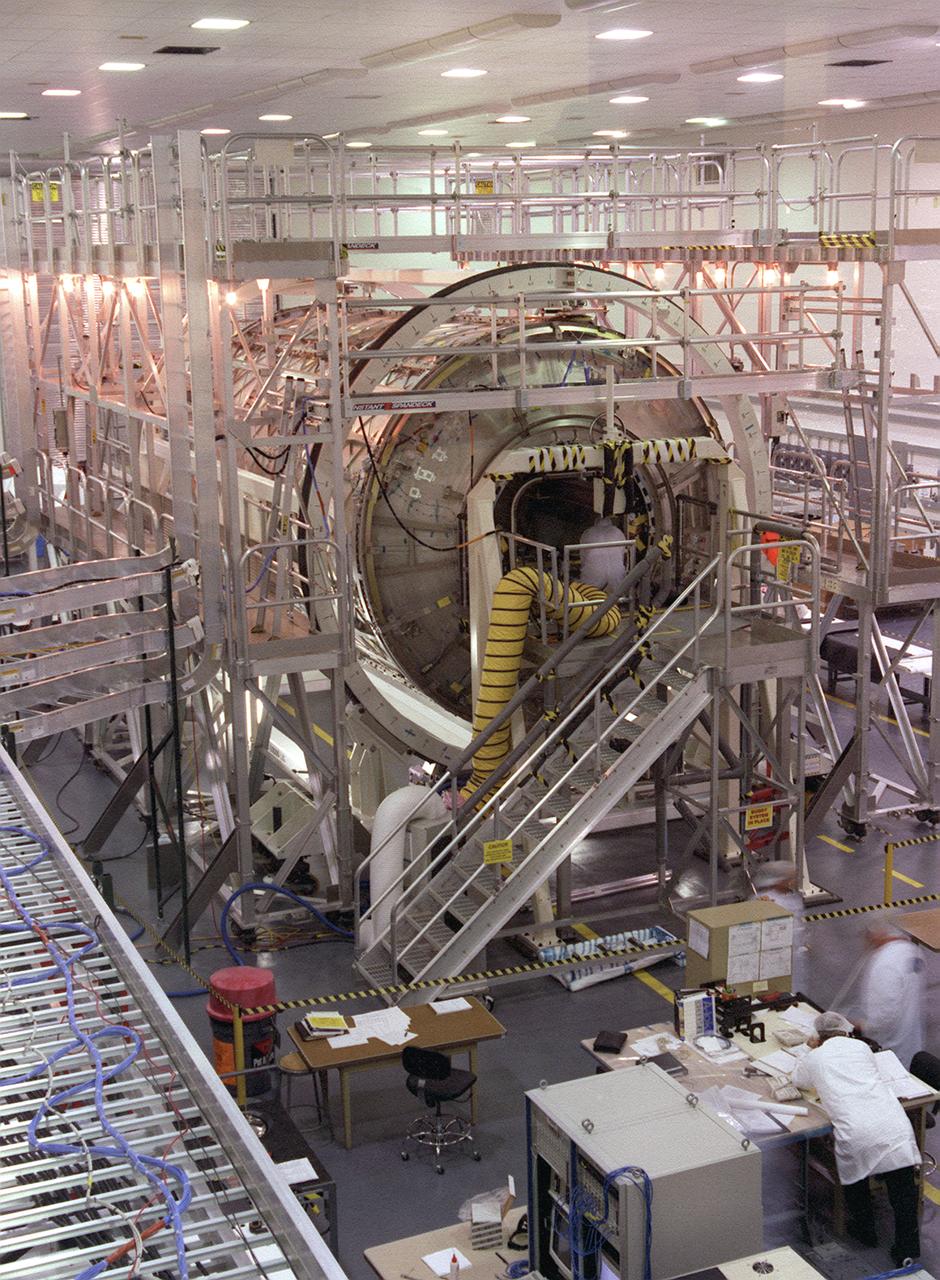
In this photograph, the U.S. Laboratory Module (also called Destiny) for the International Space Station (ISS) is shown under construction in the West High Bay of the Space Station manufacturing facility (building 4708) at the Marshall Space Flight Center. The U.S. Laboratory module is the centerpiece of the ISS, where science experiments will be performed in the near-zero gravity of space. The Destiny Module was lau