
How Solar Storms This Year Will Help Mars Astronauts in the Future (Mars Report - April 2024)
Review conditions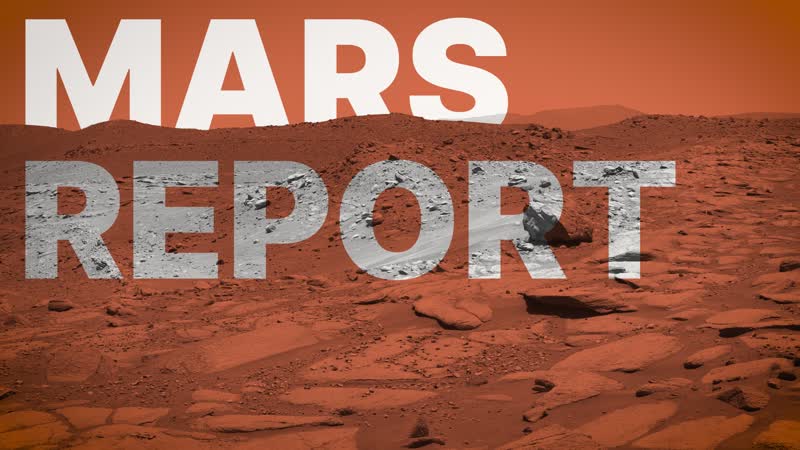
The Sun’s activity will be at its peak in 2024, providing a rare opportunity to study how solar storms and radiation could affect future astronauts and robots on Mars. This peak period – called solar maximum – will be observed by NASA’s MAVEN (Mars Atmospheric and Volatiles EvolutioN) orbiter and Curiosity rover. Learn how both spacecraft have a big year ahead in this video featuring MAVEN Principal Investigator Shannon Curry of the Laboratory for Atmospheric and Space Physics at the University of Colorado Boulder. Solar maximum occurs roughly every 11 years. During this period, the Sun is especially prone to throwing fiery tantrums in a variety of forms, such as solar flares and coronal mass ejections. These events launch radiation deep into space. When a series of these solar events erupt, it’s called a solar storm. Earth’s magnetic field largely shields our home planet from the effects of these storms. But Mars lost its global magnetic field long ago, leaving the Red Planet more vulnerable to the Sun’s energetic particles. Researchers are excited to potentially gather data on just how intense solar activity can get at Mars. Among the preparations space agencies will need to make
Rights evidence
NASA media-use guidance applies; NASA identifiers, endorsement, third-party material, and personality rights require separate review.
How Solar Storms This Year Will Help Mars Astronauts in the Future (Mars Report - April 2024). Credit: NASA / JPL.
Normalized by rights-v2-discovery. This is evidence routing, not legal advice.