HST SM4 Hubble Deploy Release Apature
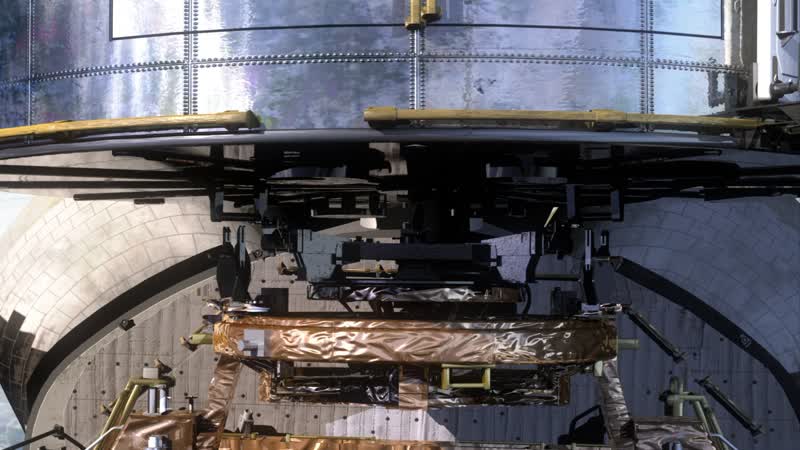
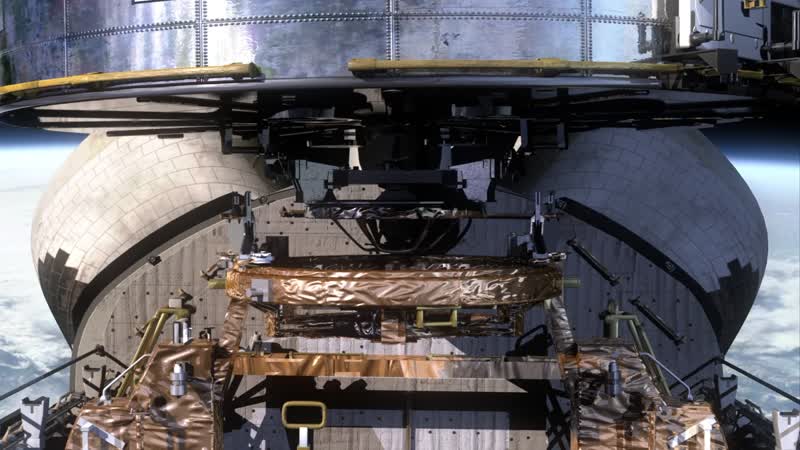
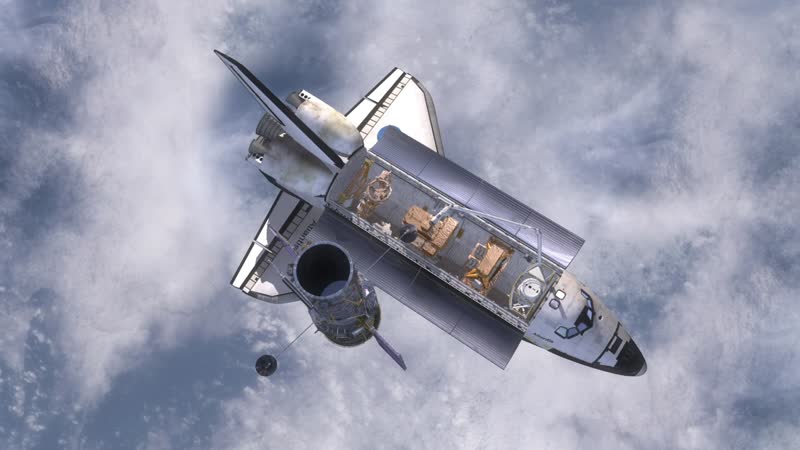
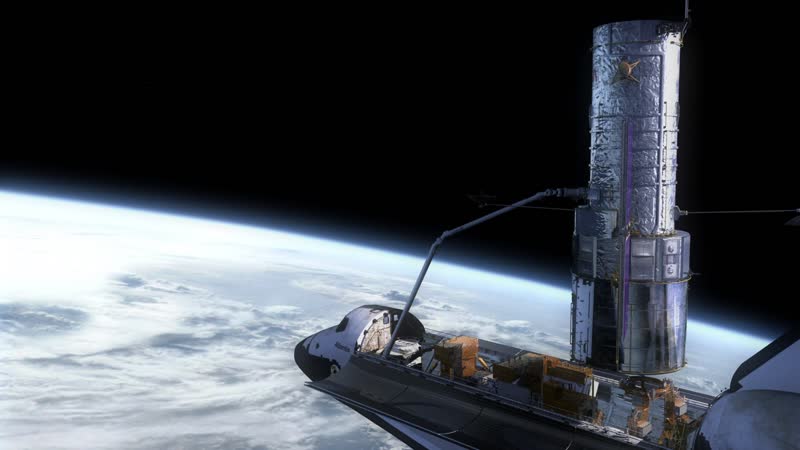
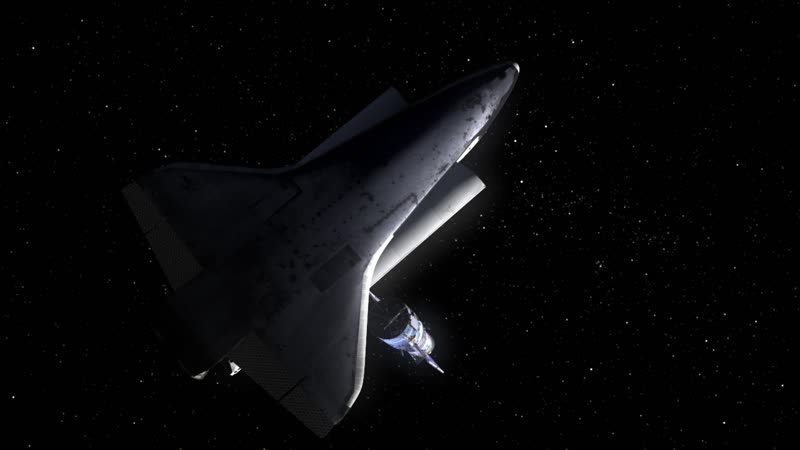
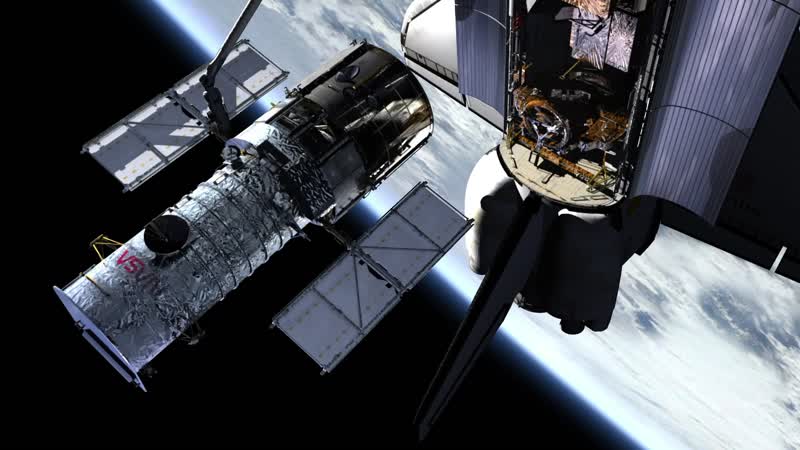
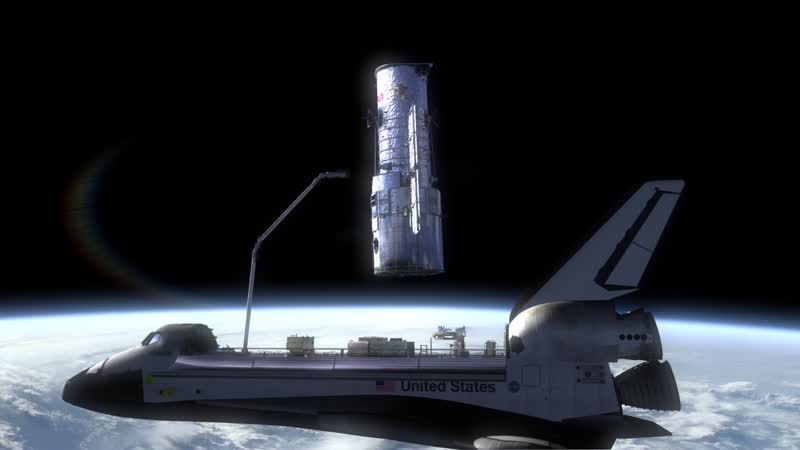
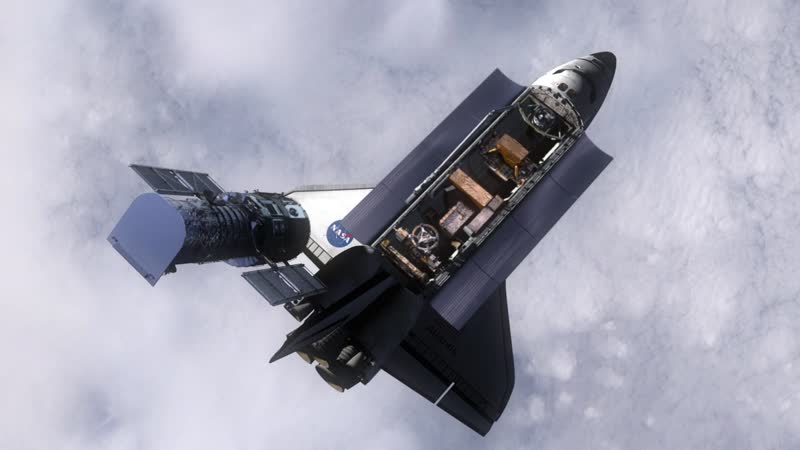
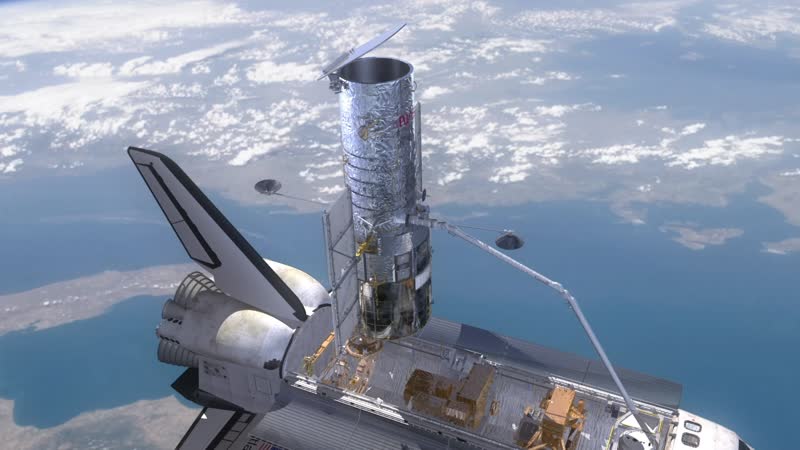
Animation showing the release of the Hubble Space telescope after the completion of Servicing Mission 4.
Records indexed under NASA Image and Video Library, with original identifiers, source links and item-level rights evidence. This is the imported selection, not the institution’s entire holdings. Verify the originating institution when the source is an aggregator.
4,093 matching records; original descriptions and titles are preserved. Search and filters →
Verify the evidence · Cite an item or clip · Rights
Animation showing the release of the Hubble Space telescope after the completion of Servicing Mission 4.
Animated sequence depicts the release of the Hubble Space Telescope from space shuttle Atlantis at the end of Servicing Mission 4.
Animation showing the release of the Hubble Space telescope after the completion of Servicing Mission 4.
Animated sequence depicts the release of the Hubble Space Telescope from space shuttle Atlantis at the end of Servicing Mission 4.
Animated sequence depicts the release of the Hubble Space Telescope from space shuttle Atlantis at the end of Servicing Mission 4.
Animation of astronaut's gloved hand touches the side of the Hubble Space Telescope. Reflected in the telescope's aft shroud are the two EVA astronaut's images.
Animated sequence shows the rendezvous, capture and berthing of the Hubble Space Telescope.
Animated sequence shows the rendezvous, capture and berthing of the Hubble Space Telescope.
Animated sequence shows the rendezvous, capture and berthing of the Hubble Space Telescope.
Animation sequence of the Hubble Space Telescope and space shuttle Atlantis rendezvous and capture sequence for Servicing Mission 4.
Animation sequence of the Hubble Space Telescope and space shuttle Atlantis rendezvous and capture sequence for Servicing Mission 4.
Animation sequence of the Hubble Space Telescope and space shuttle Atlantis rendezvous and capture sequence for Servicing Mission 4.
Animated sequence shows the rendezvous, capture and berthing of the Hubble Space Telescope.
Though NASA researcher Bob Bindschadler had hoped to return to Pine Island Glacier Ice Shelf and continue his research during the 2009 season, this video explians how plans hit a snag. Sometimes science takes time, especially when it comes to dealing with the forbidding conditions of Antarctica.
Every day, NASA collects information vital to food production all over the world. This information is a valuable asset. NASA's mission: to give it away for free. With the data they collect, teams of NASA researchers and their partners at the USDA Foreign Agriculture Service, USAID Famine Early Warning Network (FEWS NET), NOAA, and several major universities including the University of Maryland, work to increase crop
Salinity plays a major role in how ocean waters circulate around the globe. Salinity changes can create ocean circulation changes that, in turn, may impact regional and global climates. The extent to which salinity impacts our global ocean circulation is still relatively unknown, but NASA's new Aquarius mission will help advance that understanding by painting a global picture of our planet's salty waters.
On Jan 30, 2014, beginning at 8:31 a.m EST, the moon moved between NASA’s Solar Dynamics Observatory, or SDO, and the sun, giving the observatory a view of a partial solar eclipse from space. Such a lunar transit happens two to three times each year. This one lasted two and one half hours, which is the longest ever recorded. When the next one will occur is as of yet unknown due to planned adjustments in SDO's orbit.
What can cause the full Moon to quickly darken, then glow red? A lunar eclipse: a striking display of orbital mechanics that occurs when the Moon passes through the Earth's shadow. To learn more, watch the video below.
NASA scientist Bryan Blair introduces a laser mapping sensor known as LVIS (the Land, Vegetation, and Ice Sensor), which is flown by aircraft over target areas to collect data on surface topography and vegetation cover. Bryan also discusses the benefits to mounting LVIS onto high-altitude, long-duration aircraft such as the Global Hawk.
The Martian climate remains one of the solar system's biggest mysteries: although cold and dry today, myriad surface features on Mars carved by flowing water attest to a much warmer, wetter past. What caused this dramatic transition? Scientists think that climate change on Mars may be due to solar wind erosion of the early atmosphere, and NASA's MAVEN mission will test this hypothesis. Project Manager David F. Mitche
Every full moon, Landsat 8 turns its back on Earth. As the satellite's orbit takes it to the nighttime side of the planet, Landsat 8 pivots to point at the moon. It scans the distant lunar surface multiple times, then flips back around to continue its task of collecting land-cover information of the sunny side of Earth below. These monthly lunar scans are key to ensuring the land-imaging instrument (the Operational L
Since 2009, NASA’s Lunar Reconnaissance Orbiter (LRO) has spotted hundreds of conspicuous holes on the Moon. These steep-walled “pits" vary from a few meters to nearly 1 kilometer wide, and can reach depths of over 100 meters. Scientists think that pits may form when part of the Moon’s surface collapses above a lava tube, and high-resolution photographs from LRO suggest that many of the pits widen underground. If so,
On October 19, Comet Siding Spring will pass within 88,000 miles of Mars – just one third of the distance from the Earth to the Moon! Traveling at 33 miles per second and weighing as much as a small mountain, the comet hails from the outer fringes of our solar system, originating in a region of icy debris known as the Oort cloud. Comets from the Oort cloud are both ancient and rare. Since this is Comet Siding Spring’
On September 21, 2014, NASA's Mars Atmosphere and Volatile EvolutioN mission, or MAVEN, went into orbit around the Red Planet. Its goal: to understand how a changing atmosphere transformed Mars from a warm, wet environment in its youth to the desert world that we see today. Building such a mission and sending it to Mars is a hugely complex task, requiring the close coordination of hundreds of individuals around the c