Mountains of the Moon
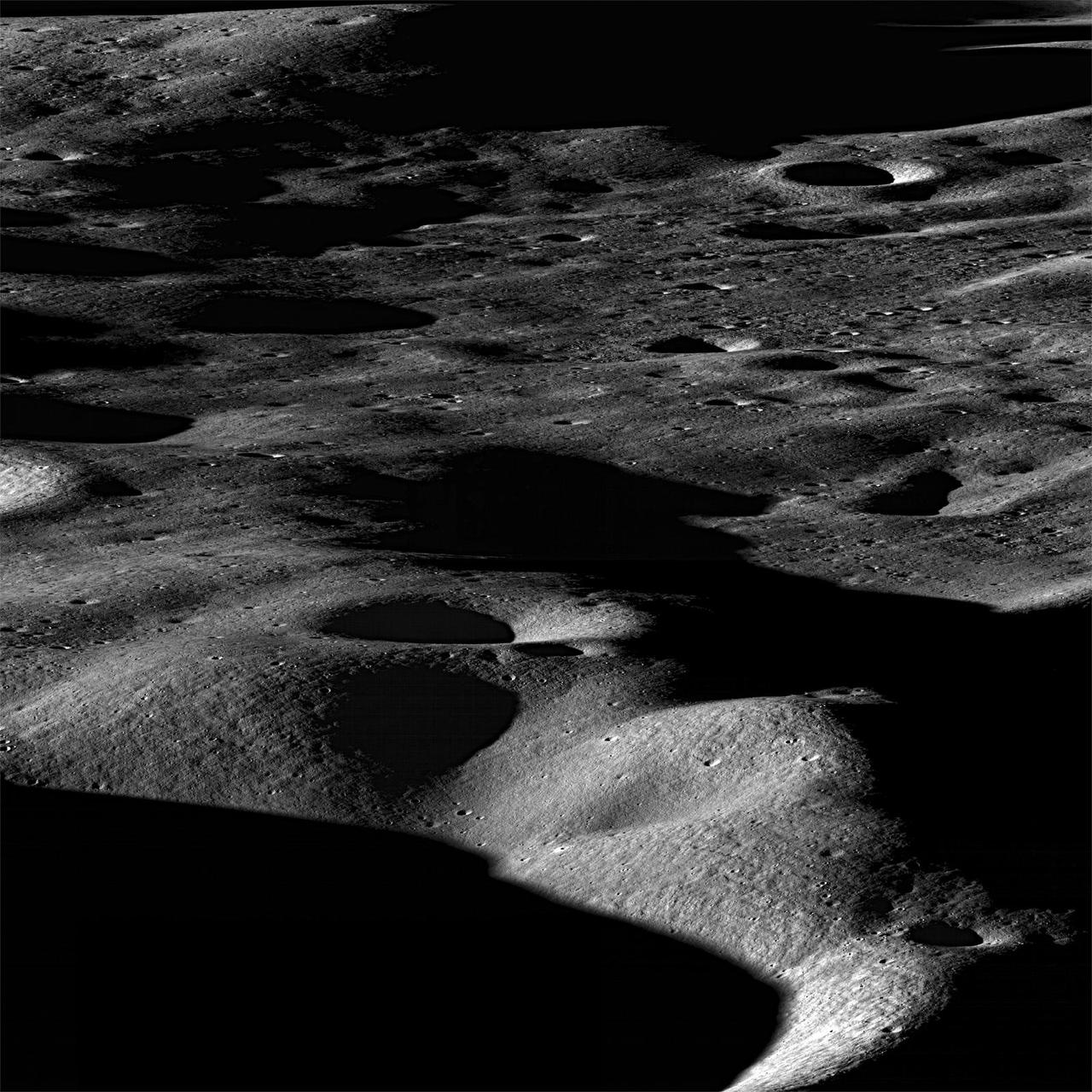
Most mountains on the Earth are formed as plates collide and the crust buckles. Not so for the Moon, where mountains are formed as a result of impacts as seen by NASA Lunar Reconnaissance Orbiter.
Records indexed under NASA Image and Video Library, with original identifiers, source links and item-level rights evidence. This is the imported selection, not the institution’s entire holdings. Verify the originating institution when the source is an aggregator.
4,093 matching records; original descriptions and titles are preserved. Search and filters →
Verify the evidence · Cite an item or clip · Rights
Most mountains on the Earth are formed as plates collide and the crust buckles. Not so for the Moon, where mountains are formed as a result of impacts as seen by NASA Lunar Reconnaissance Orbiter.
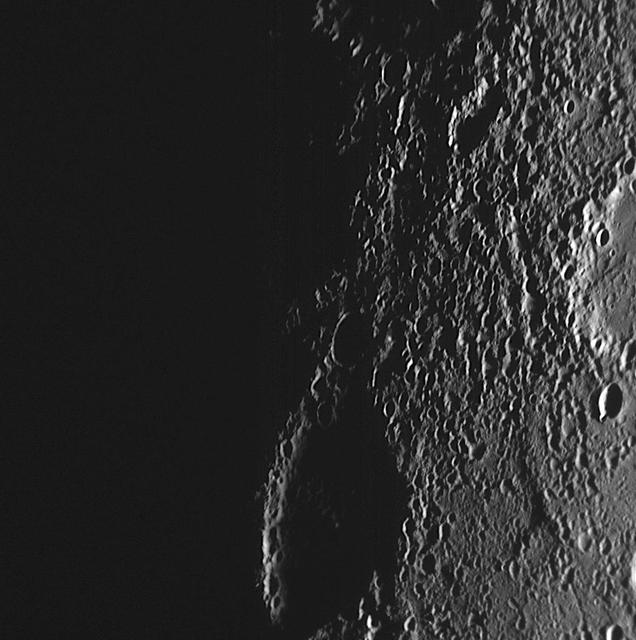
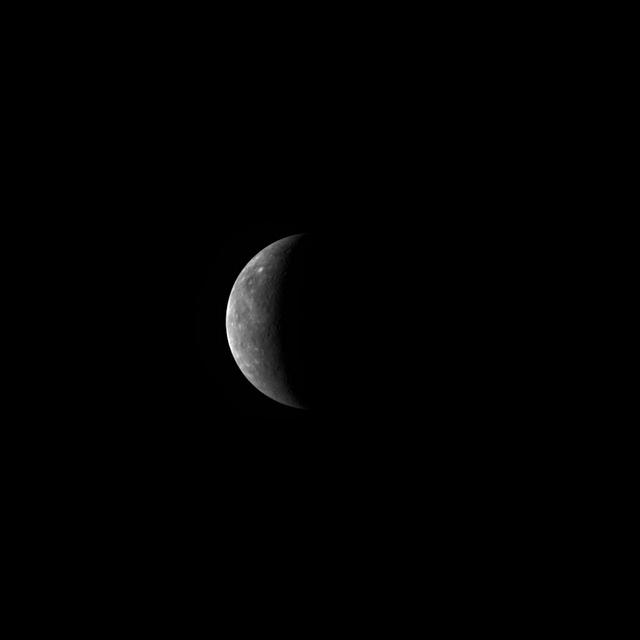
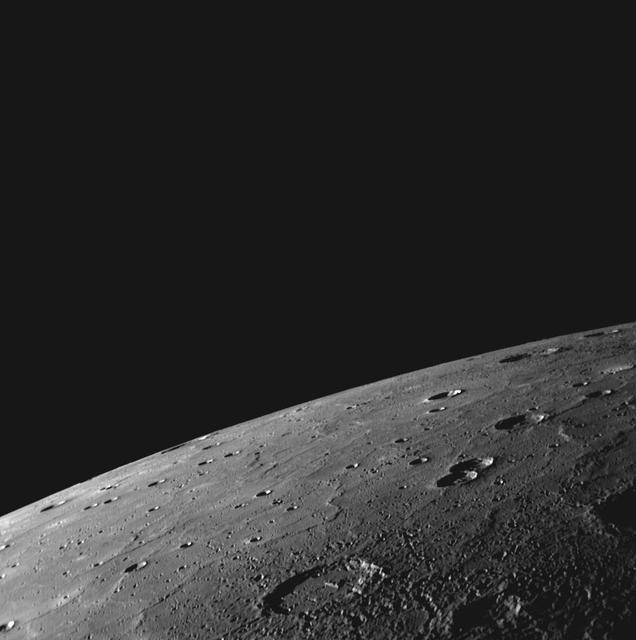
This high-resolution NAC image shows a view of Mercury dawn terminator, the division between the sunlit dayside and dark nightside of the planet, as seen as the MESSENGER spacecraft departed the planet during the mission second Mercury flyby.
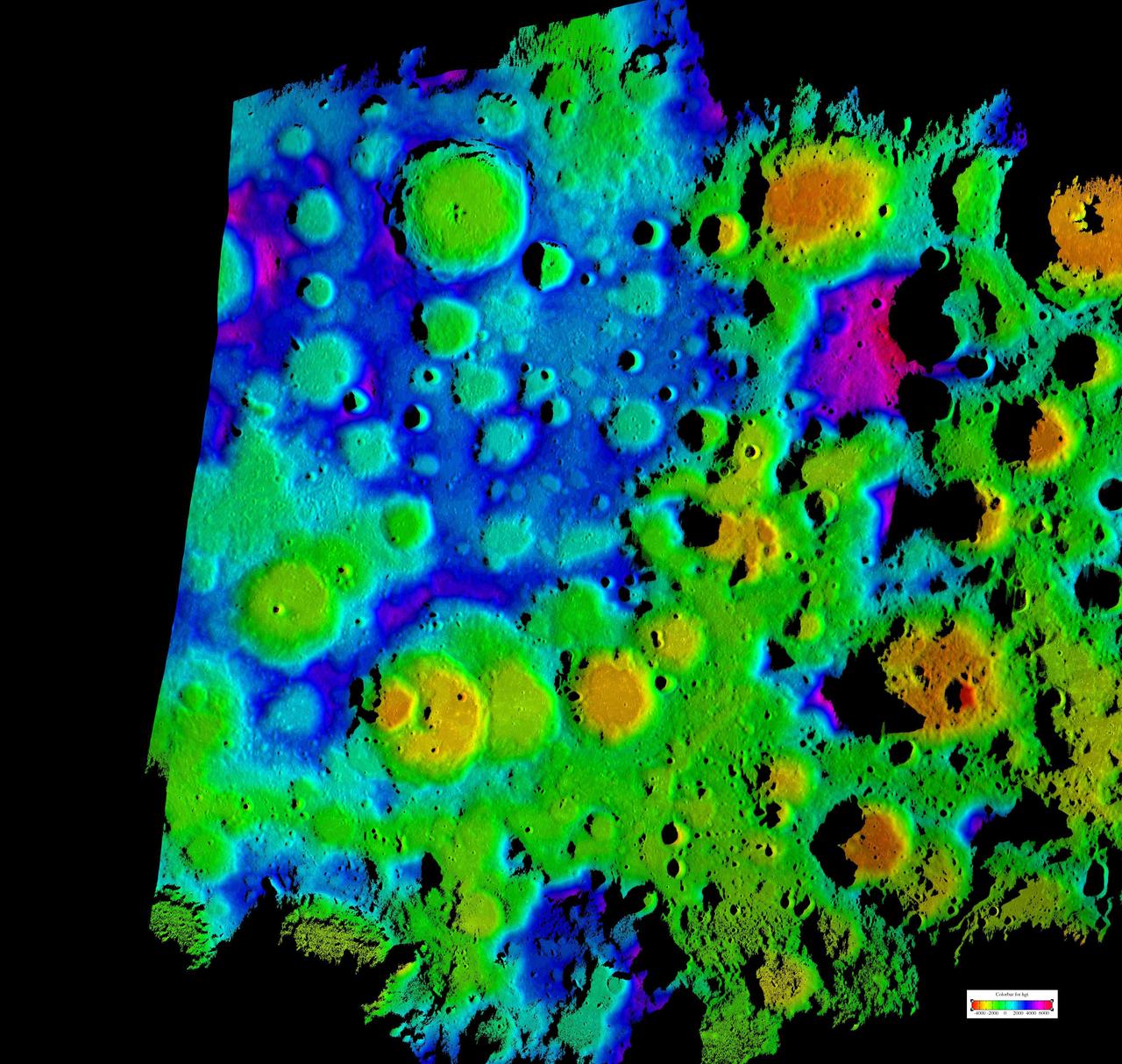
This composite image depicts the moon rugged south polar region in two lights. The color image is the highest resolution topography map to date of the moon south pole.
This image was recently featured in an article in Science magazine about the evolution of Mercury’s crust.
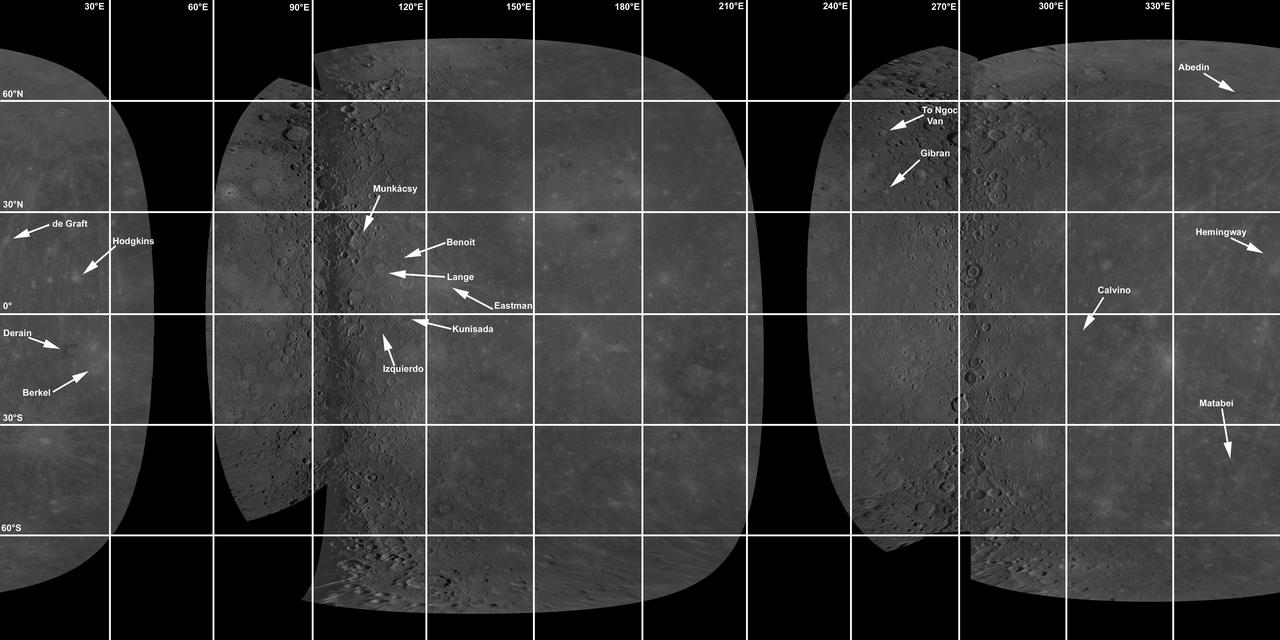
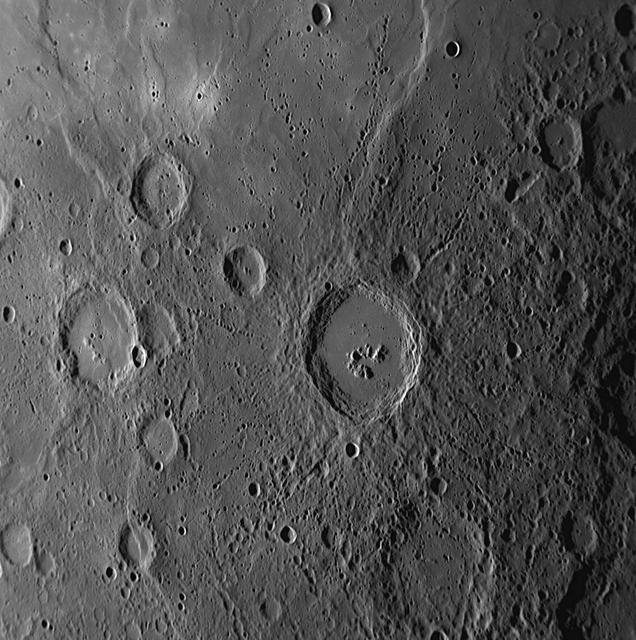
The International Astronomical Union recently approved names for 16 impact craters on Mercury. Several of the craters are from areas seen for the first time at close range by MESSENGER during its second Mercury flyby.
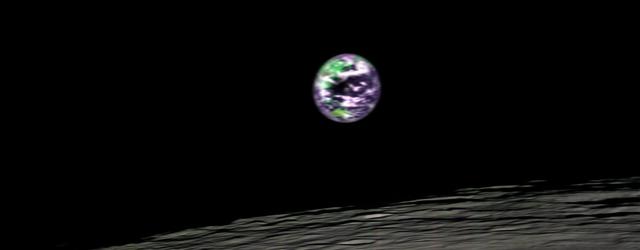
NASA Moon Minerology Mapper, a guest instrument onboard the Indian Space Research Organization Chandrayaan-1 mission to the moon, looks homeward. Australia is visible in the lower center of the image.
On Target for Mercury Flyby 3 - Two Weeks To Go!
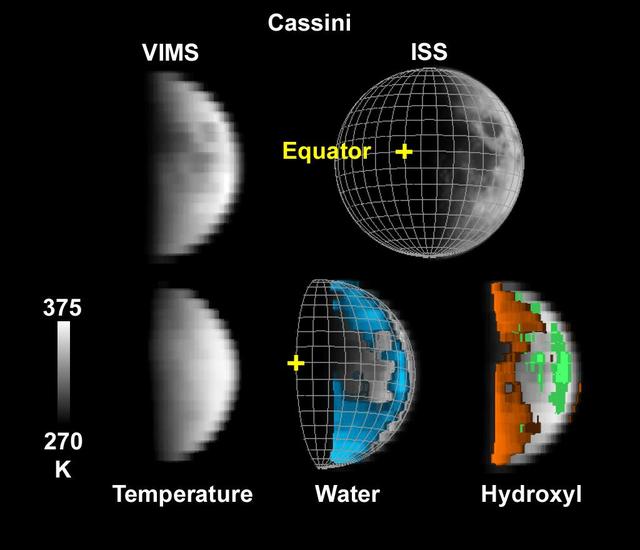
Cassini Look at Water on the Moon
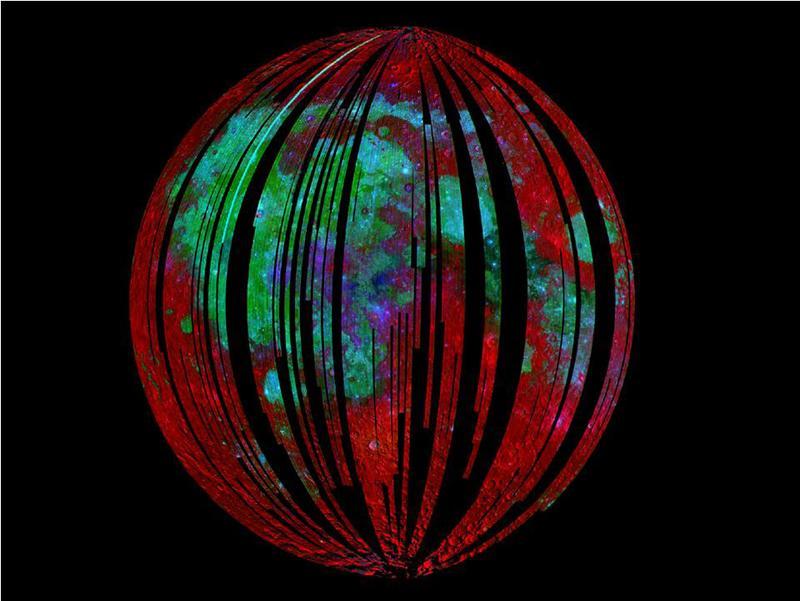
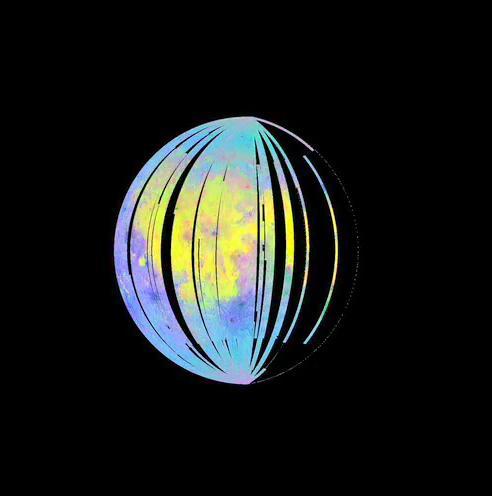
Mineral Mapping the Moon
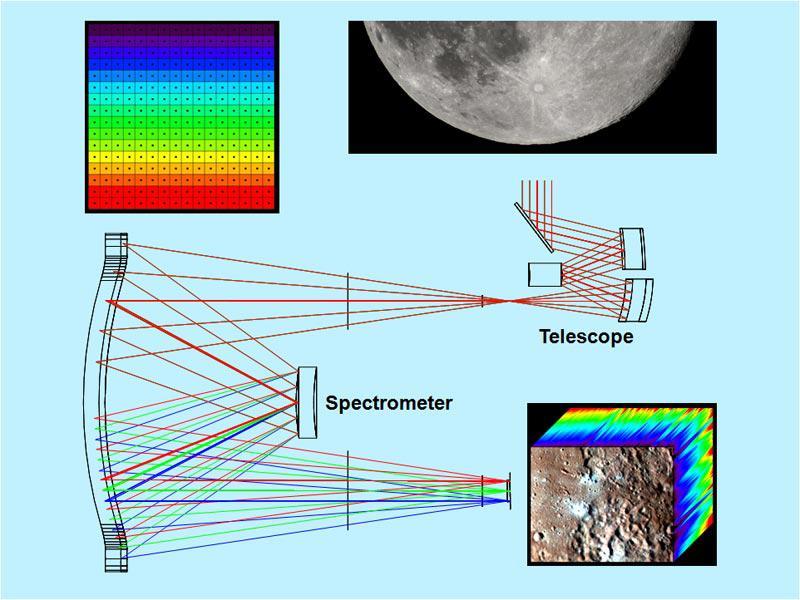
Dispersing Light through the Moon Mineralogy Mapper
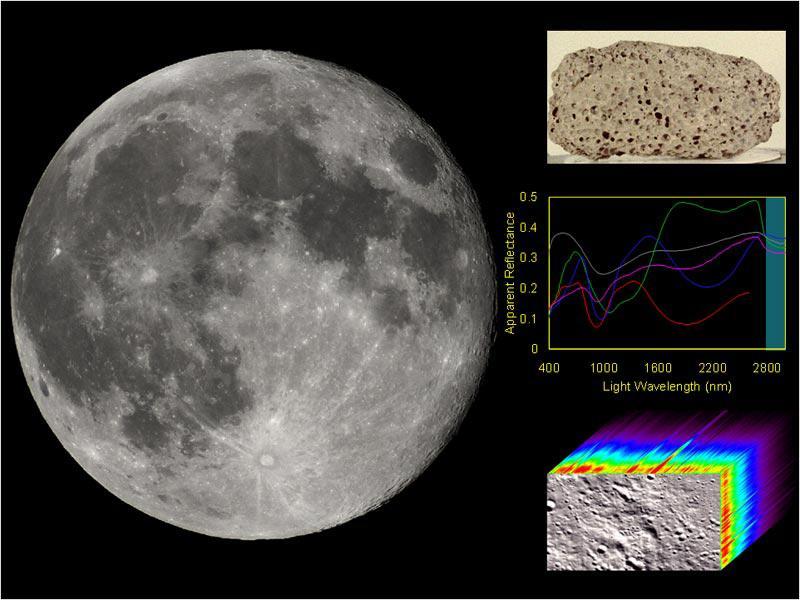
Mapping the Moon, Point by Point
Nearside of the Moon
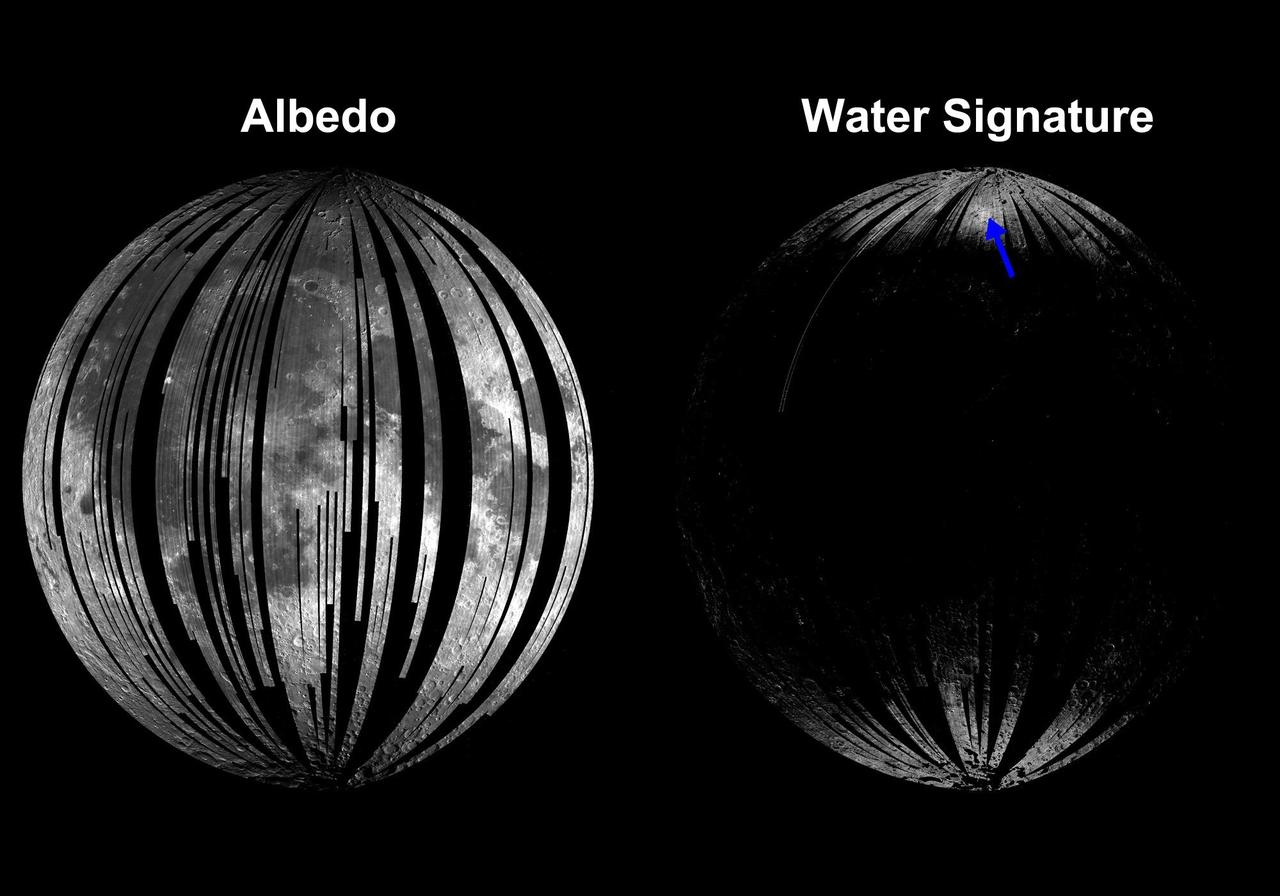
How to Find Water on the Moon
Data from NASA Moon Mineralogy Mapper instrument on the Indian Space Research Organization Chandrayaan-1 spacecraft reveal subtle and previously unknown lunar diversity and features. Animation available at the Photojournal.
Hello, Mercury!
One Day to Mercury Flyby 3!
Today, MESSENGER Flies by Mercury!
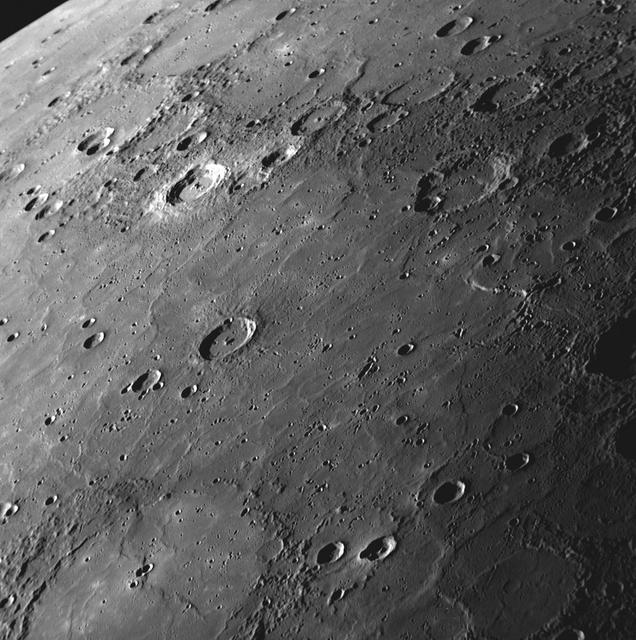
A High-resolution Look over Mercury Northern Horizon
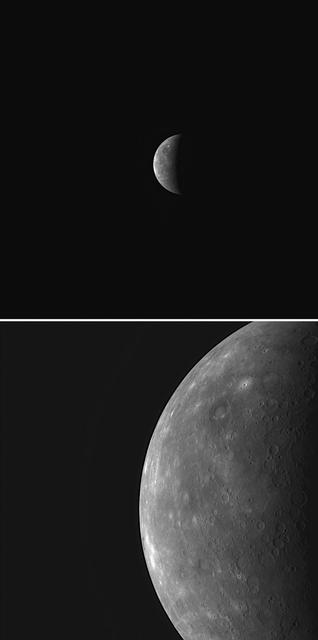
Capturing Mercury through MESSENGER Dual Cameras
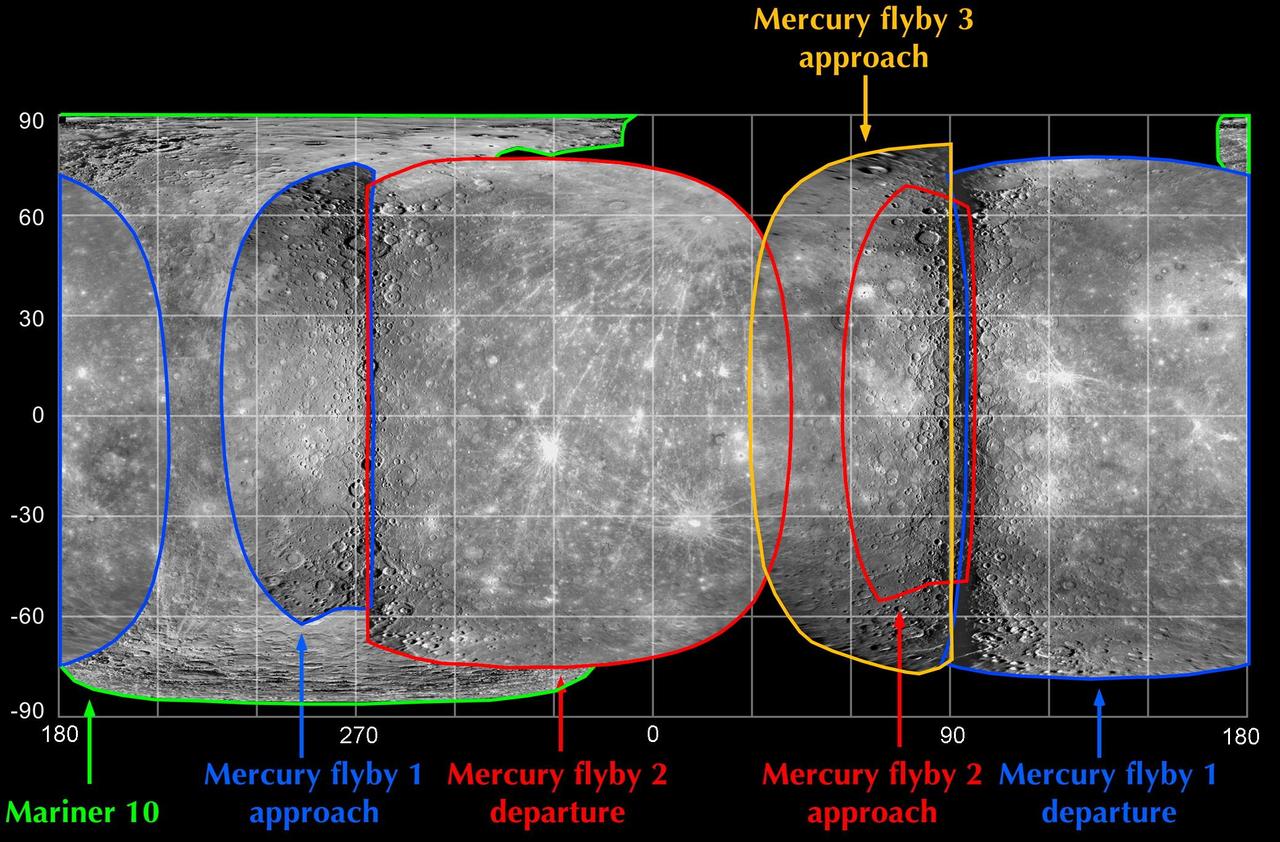
A Global Map of Mercury Surface
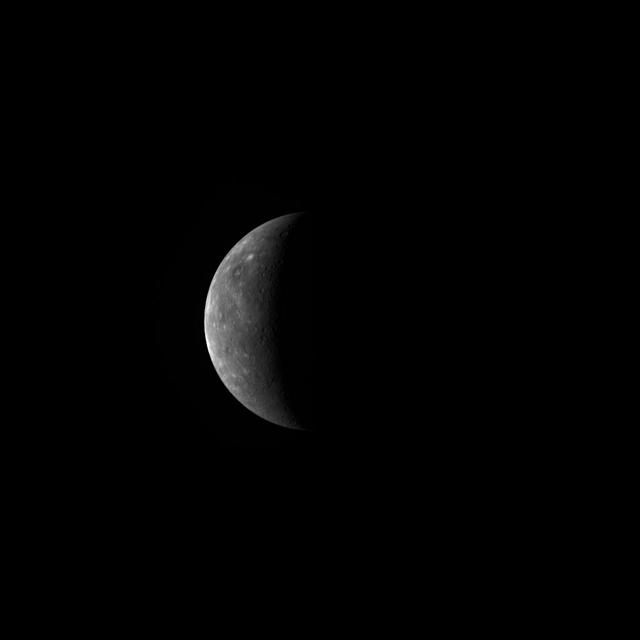
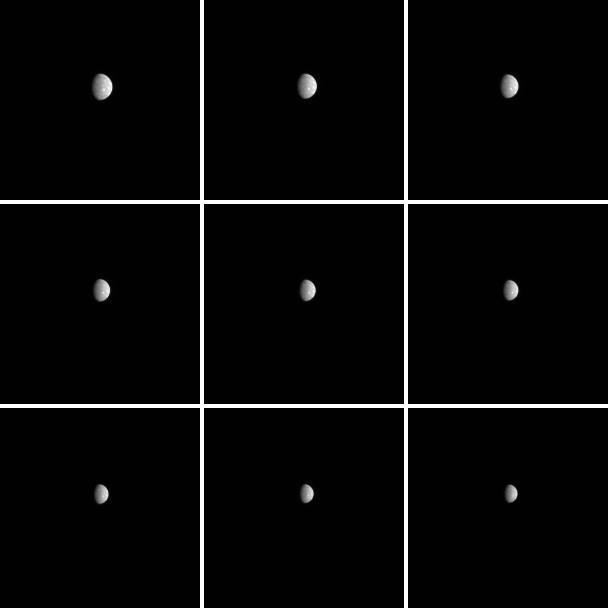
It Just a Phase that Mercury Going Through
Evidence of Volcanism on Mercury: It the Pits
Mercury Geology: A Story with Many Chapters
Flooding Mercury Surface