العربية

Egypt

Archive records carrying the Egypt country label in the catalog. Read each record’s place evidence: a subject association is not automatically a verified capture location. Unstated places remain unknown.

224 matching records; original descriptions and titles are preserved. Search and filters →

Verify the evidence · Cite an item or clip · Rights

1965NASA Image and Video Library

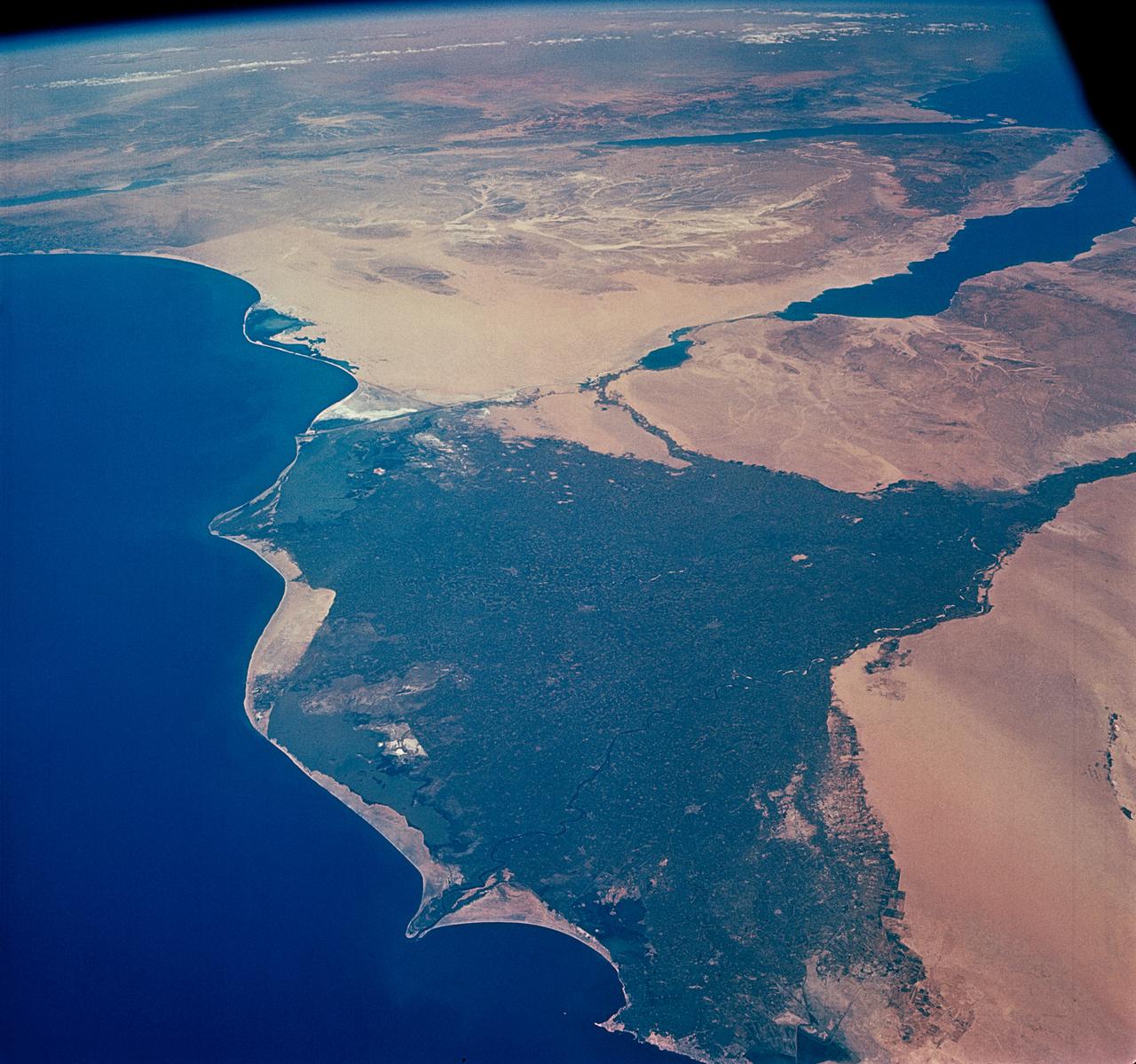
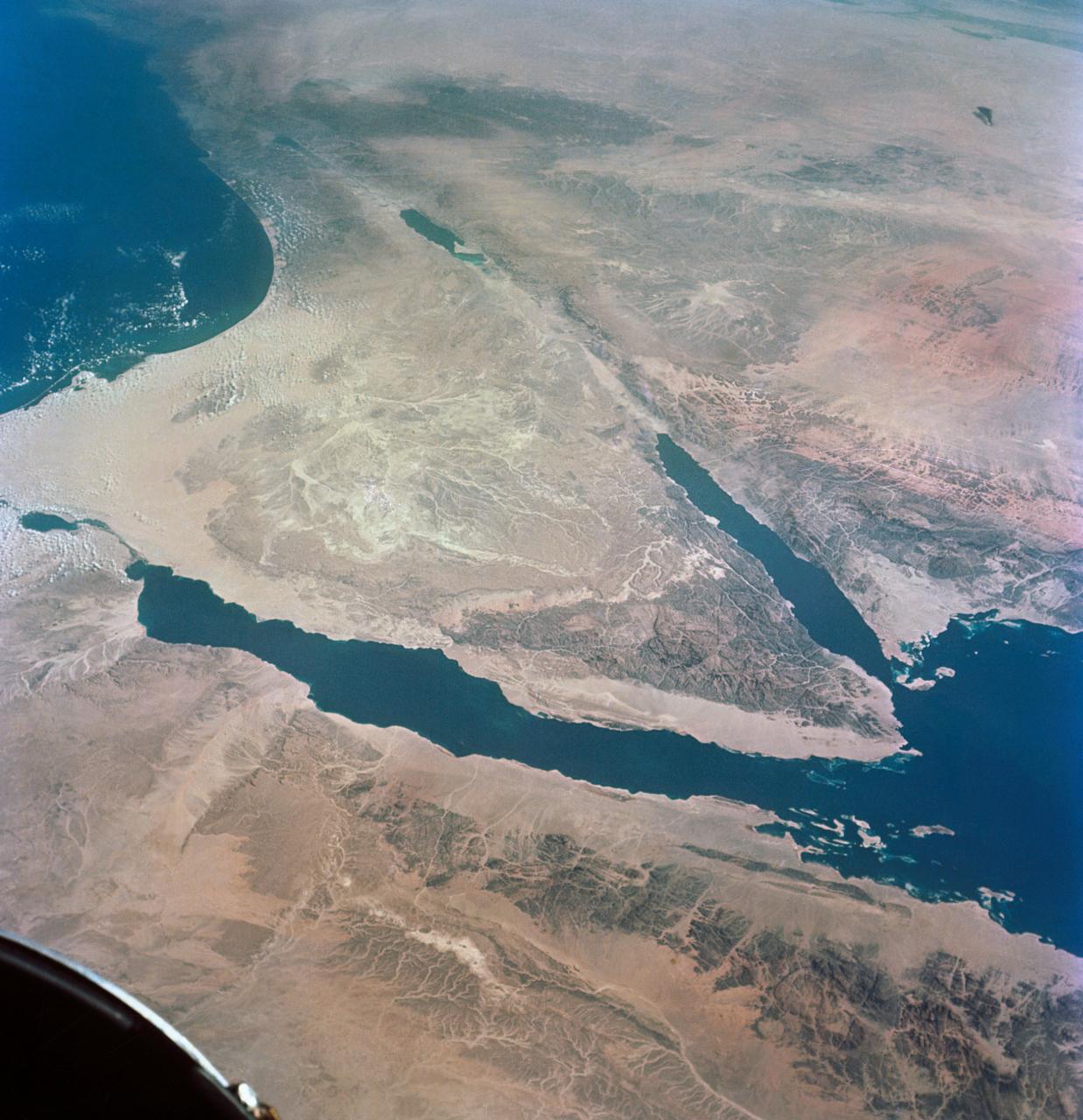
GEMINI-7 - EARTH-SKY VIEW - MIDDLE-EAST AREA - OUTER SPACE

S65-63849 (8 Dec. 1965) --- The eastern Mediterranean area as seen from the National Aeronautics and Space Administration's Gemini-7 spacecraft. The Nile Delta in Egypt is at bottom. The Suez Canal, Gulf of Suez and Red Sea are in the center of the photograph. The Sinai Peninsula is in the upper right corner of the picture. The body of water at the top edge of the photograph is the Gulf of Aqaba. The Dead Sea can be

1966NASA Image and Video Library

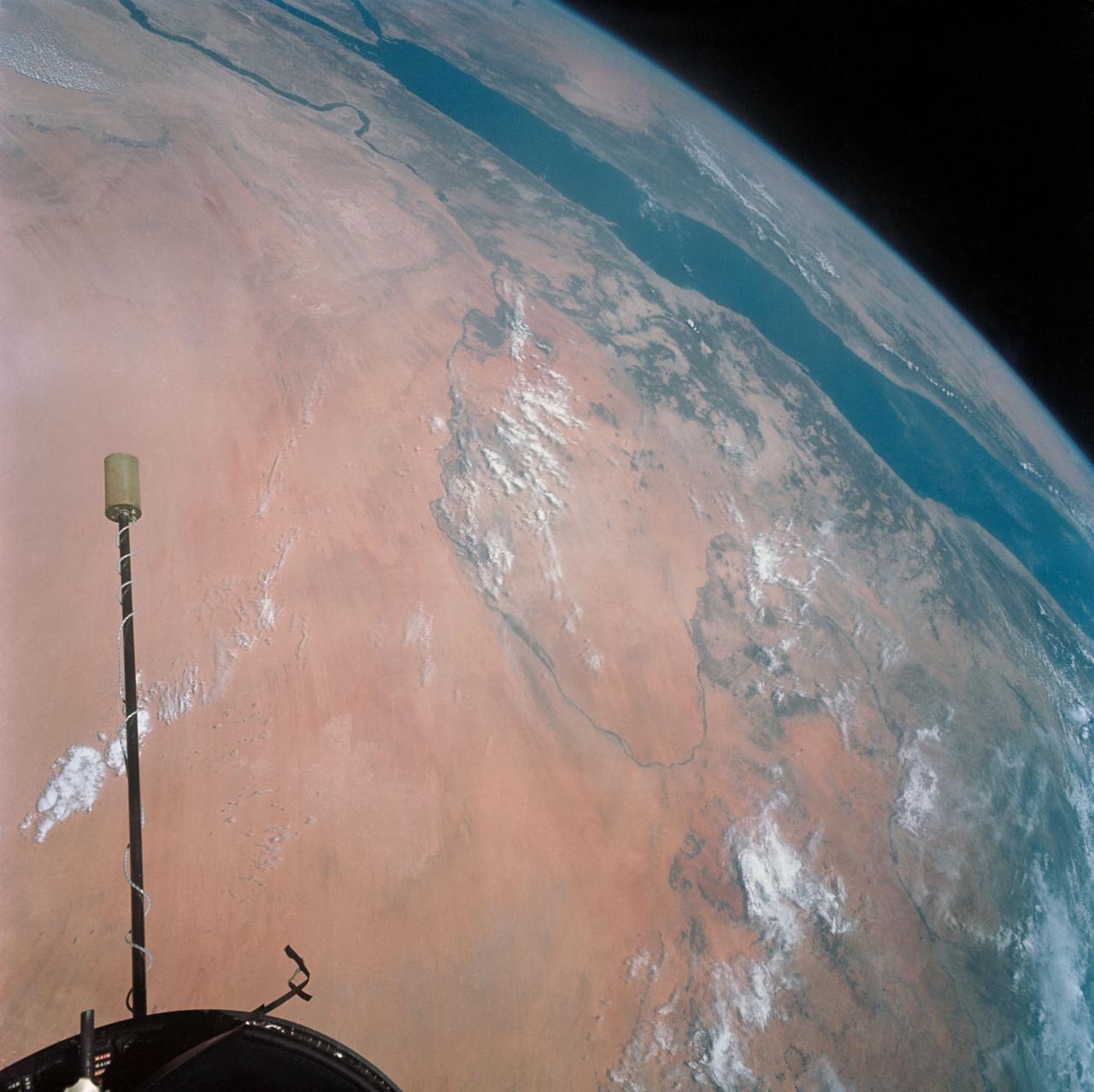
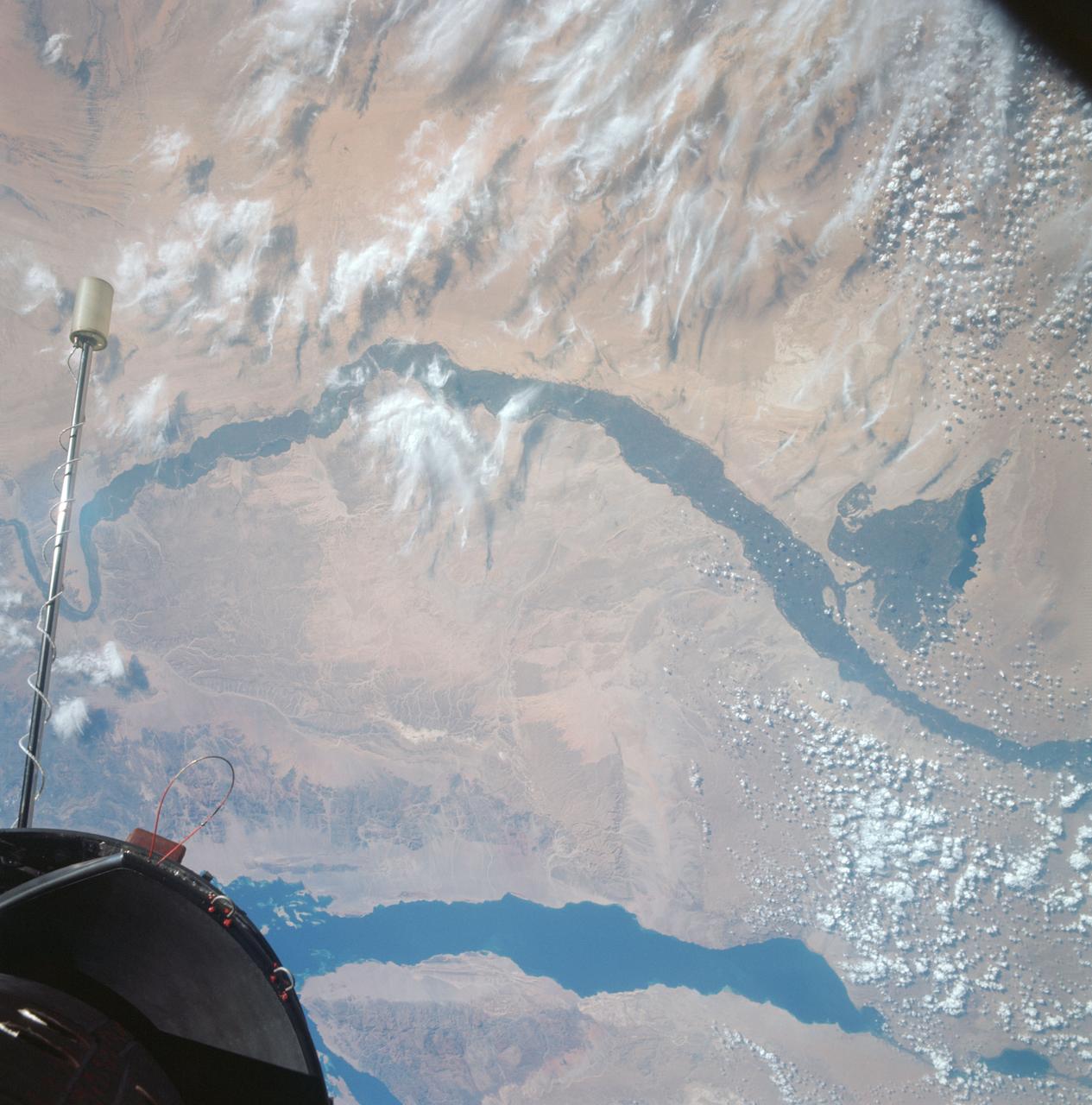
GEMINI-TITAN (GT)-11 - HIGH APOGEE - EARTH SKY

S66-54530 --- Libyan Desert area of Sudan, foreground, and the United Arab Republic (Egypt), at lower left, as seen from the orbiting Gemini-11 spacecraft at an altitude of 300 nautical miles during its 27th revolution of Earth. In view is the Nile River from Biba in Egypt to Khartoum in the Sudan. The Red Sea is in the background. At upper left is the Arabian Peninsula. At top right is Ethiopia. Note L-band antenna

1966NASA Image and Video Library

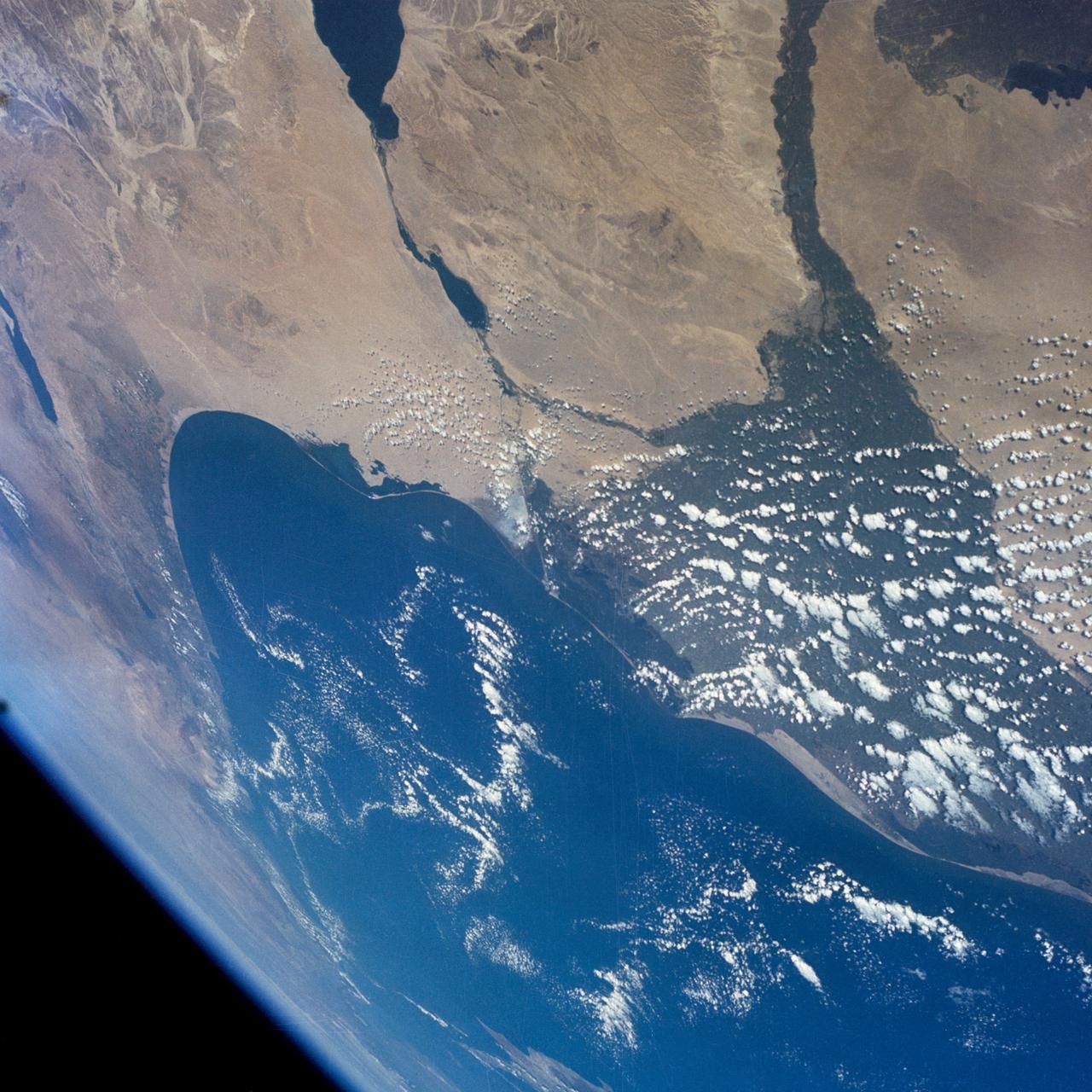
GEMINI-TITAN (GT)-11 - EARTH SKY - OVERLAY - SINAI PENINSULA - POINTS OF INTEREST - OUTER SPACE

S66-54893 (14 Sept. 1966) --- Near East area as seen from the orbiting Gemini-11 spacecraft during its 26th revolution of Earth. The United Arab Republic (Egypt) is in foreground. Triangular-shaped area is the Sinai Peninsula. Saudi Arabia is at upper right. The Mediterranean Sea is at upper left. The Gulf of Suez separates Egypt from the Sinai Peninsula. The Red Sea is at bottom right. The Gulf of Aqaba is the body

2019NASA Image and Video Library

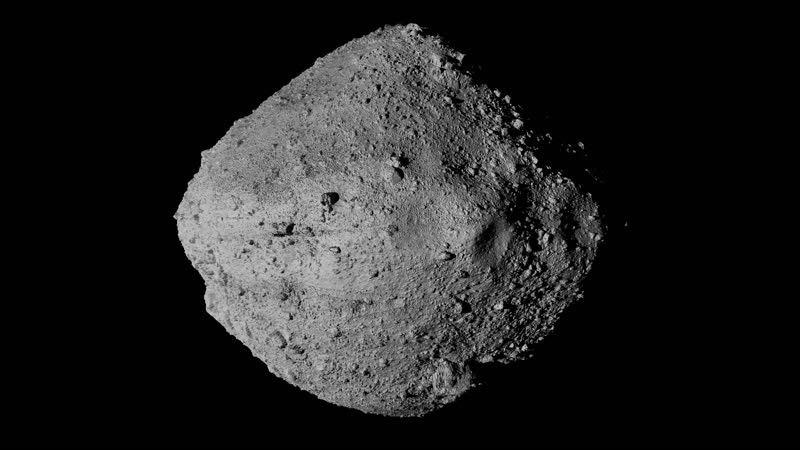
OSIRIS-REx - Asteroid Bennu Sample Site Finalists

OSIRIS-REx is a mission to study and map near-Earth asteroid Bennu. Its primary science objective is to collect a sample of Bennu in mid 2020 and return it to Earth in late 2023. In preparation, mission planners have identified four candidate sample sites on Bennu's rocky surface where OSIRIS-REx could briefly touch down to collect its sample. The mission will down-select to the final two sites – a primary and a back

1989Wellcome Collection

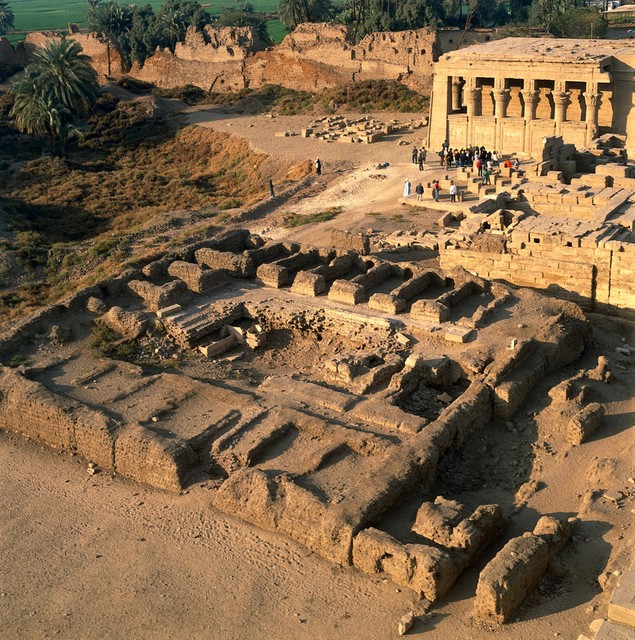
Upper Egypt, temple at Dendara, 1989

Upper Egypt, temple at Dendara Shows close-up of the mud-brick sanatorium where visitors were annointed with water from a sacred lake which had first been poured over healing statues. They could also spend the night here in the hope that Hathor would appear to them in a healing dream (incubation). This tradition mirrored that practiced in the Greek and Roman world at this time where local healing cults (as well as the major cult of Asclepius) flourished and where temple complexes served as healing shrines and sanctuaries for the sick as well as religious houses. To the north of the sanatorium (top right) is the birth house (mammisi), built during the Roman period, where Hathor ritually gave birth to the young lhy who represented the youthful phase of creator gods in general. Dendara was the capital of the 6th nome of Upper egypt and a town of some importance. The temple complexx dates from the period between Dynasty XXX (380-343 BC) and the roman Period (CE 30-395). It was a major cult centre for Hathor, the co godess represented in human form wearing on her head the sun-disc flanked by a cow's horns. Dendara was one of the oldest centres of worship of Hathor; a temple was first bu

1890Wellcome Collection

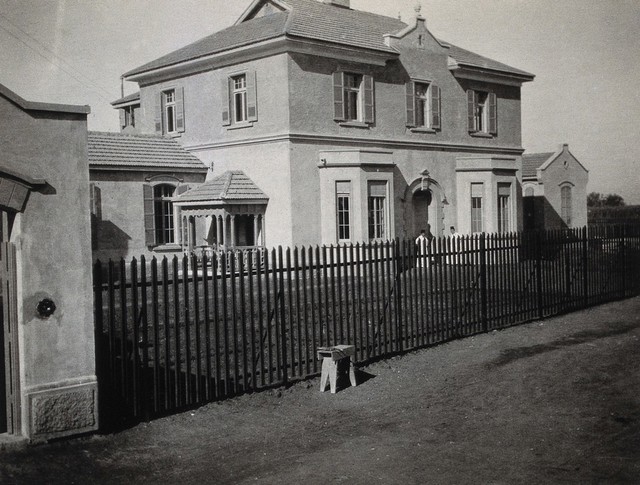
Ferris wheel, 1890's, Egypt

Ferris wheel, 1890's, unidentified location in Egypt. A homemade, intricately constructed wooden ferris wheel is a popular entertainment for village children on the banks of the Nile. When this photograph was taken, the population of Egypt was about 10 million, of which 8 million lived in the countryside. Between 10% and 20% were landless peasants and 1% of the population owned 40% of the land. During the 19 th century the rural economy was transformed from subsistence to cash-crop agriculture. During the process smallholders who had been independant producers with rights to use land became landless peasants forced to work as wage labourers or to migrate to the cities where they became part of the urban dispossessed. In 1882 the British occupied Egypt and it became part of the British Empire but never a colony. The khedival government provided a facade of autonomy but the real power in the country was the British agent and consul general (between 1883-1907 it was Lord Cromer) backed by the British army. In 1906 most landowners owned between one and five feddans (a feddan is 1.038 acres) with three feddans being necessary for subsistence. By 1952 the life expectancy in Egypt was onl

1989Wellcome Collection

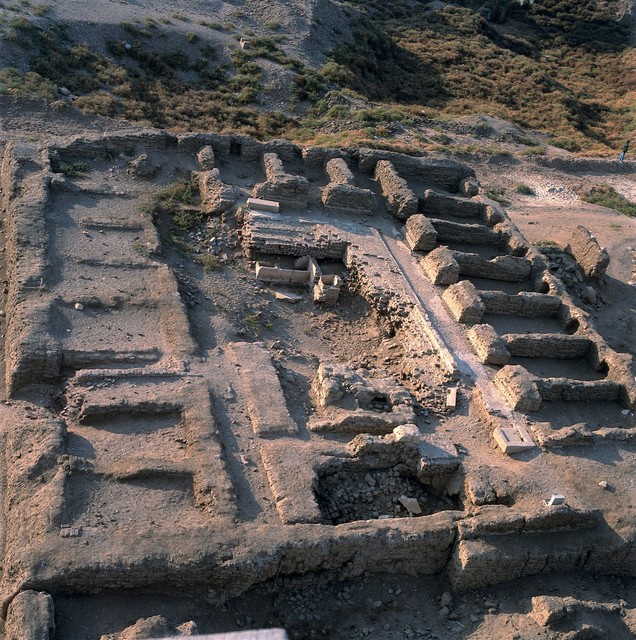
Upper Egypt, temple at Dendara, 1989

Upper Egypt, temple at Dendara Shows the mud-brick sanatorium where visitors were annointed with water from a sacred lake which had first been poured over healing statues. They could also spend the night here in the hope that Hathor would appear to them in a healing dream (incubation). This tradition mirrored that practiced in the Greek and Roman world at this time where local healing cults (as well as the major cult of Asclepius) flourished and where temple complexes served as healing shrines and sanctuaries for the sick as well as religious houses. To the north of the sanatorium (top right) is the birth house (mammisi), built during the Roman period, where Hathor ritually gave birth to the young lhy who represented the youthful phase of creator gods in general. Dendara was the capital of the 6th nome of Upper egypt and a town of some importance. The temple complexx dates from the period between Dynasty XXX (380-343 BC) and the roman Period (CE 30-395). It was a major cult centre for Hathor, the co godess represented in human form wearing on her head the sun-disc flanked by a cow's horns. Dendara was one of the oldest centres of worship of Hathor; a temple was first built on the s

1989Wellcome Collection

Upper Egypt, temple at Dendara, 1989

Upper Egypt, temple at Dendara Shows close-up of the mud-brick sanatorium where visitors were annointed with water from a sacred lake which had first been poured over healing statues. They could also spend the night here in the hope that Hathor would appear to them in a healing dream (incubation). This tradition mirrored that practiced in the Greek and Roman world at this time where local healing cults (as well as the major cult of Asclepius) flourished and where temple complexes served as healing shrines and sanctuaries for the sick as well as religious houses. To the north of the sanatorium (top right) is the birth house (mammisi), built during the Roman period, where Hathor ritually gave birth to the young lhy who represented the youthful phase of creator gods in general. Dendara was the capital of the 6th nome of Upper egypt and a town of some importance. The temple complexx dates from the period between Dynasty XXX (380-343 BC) and the roman Period (CE 30-395). It was a major cult centre for Hathor, the co godess represented in human form wearing on her head the sun-disc flanked by a cow's horns. Dendara was one of the oldest centres of worship of Hathor; a temple was first bu