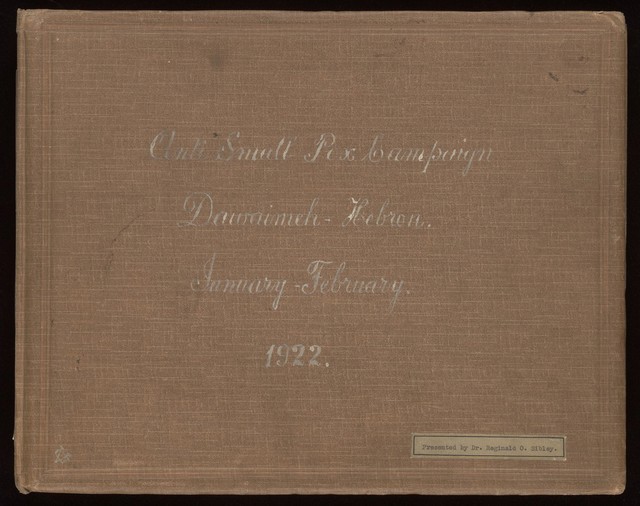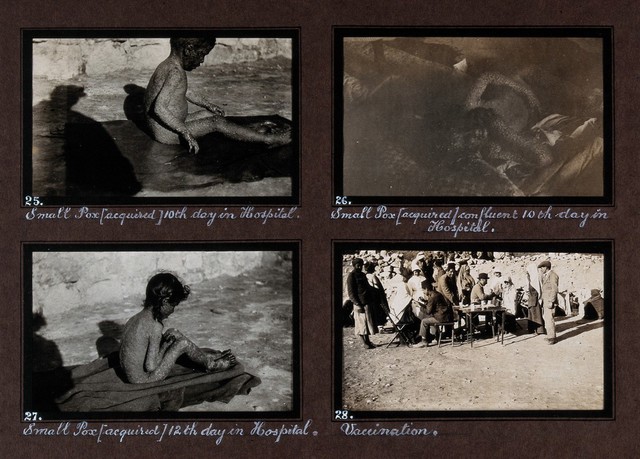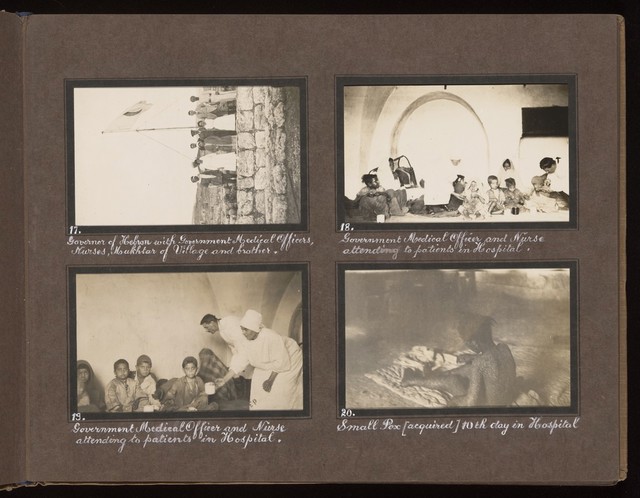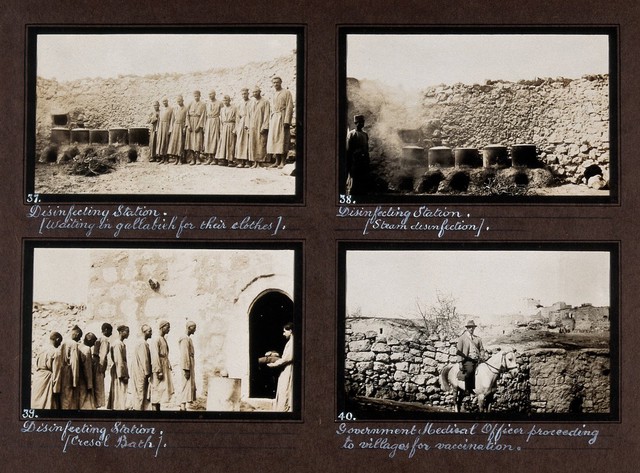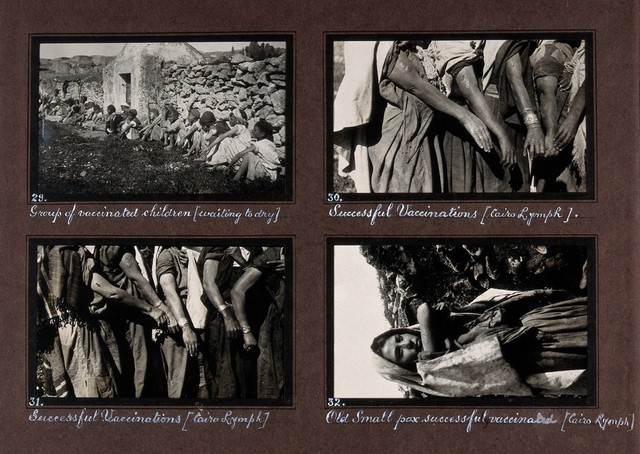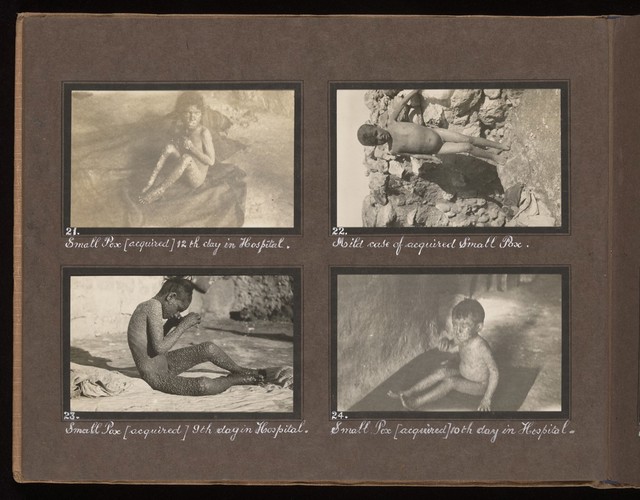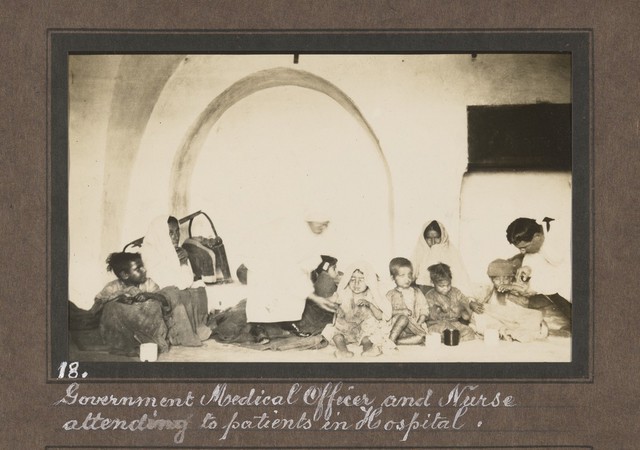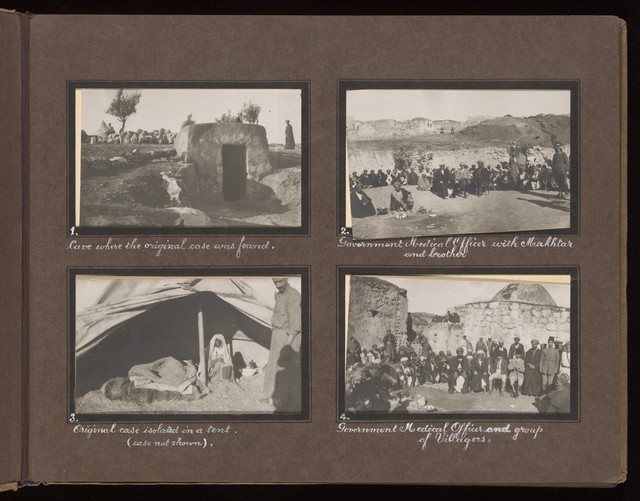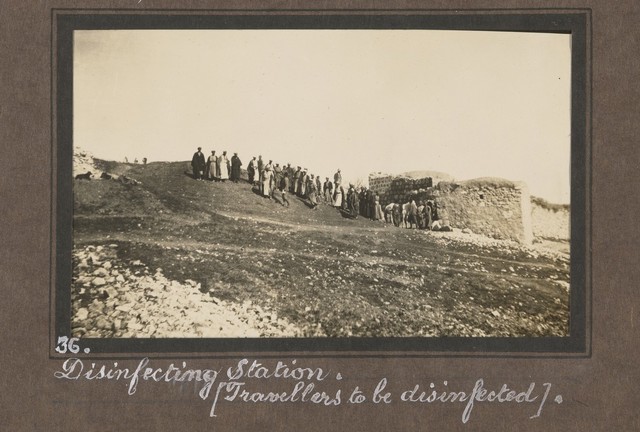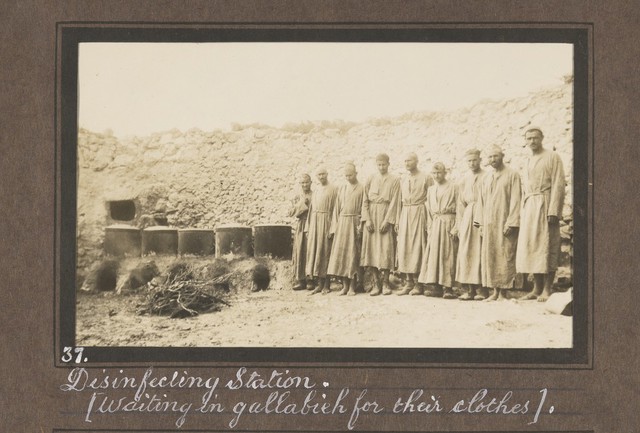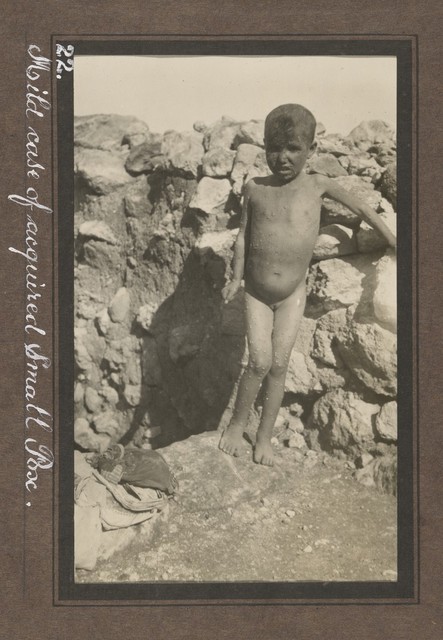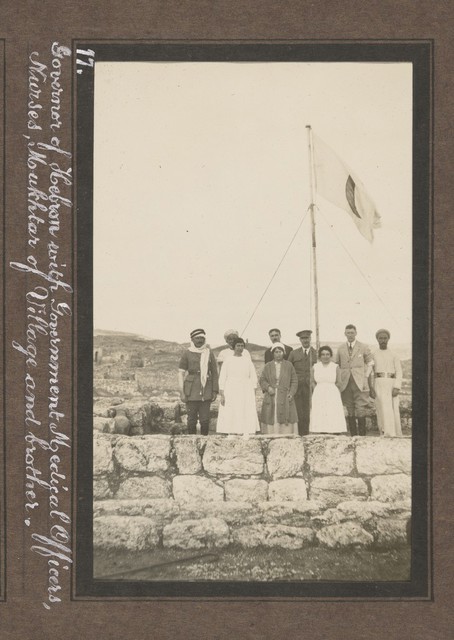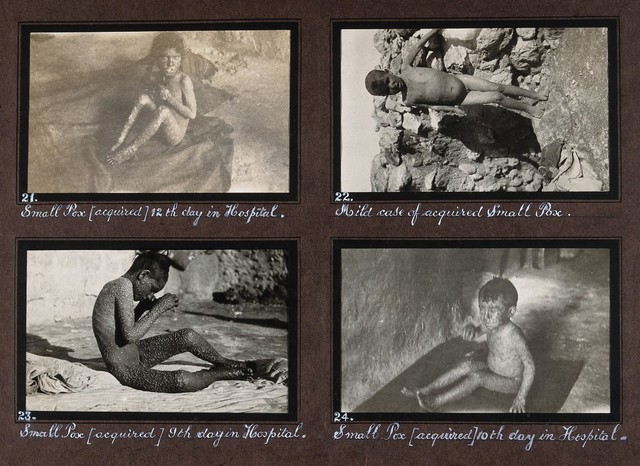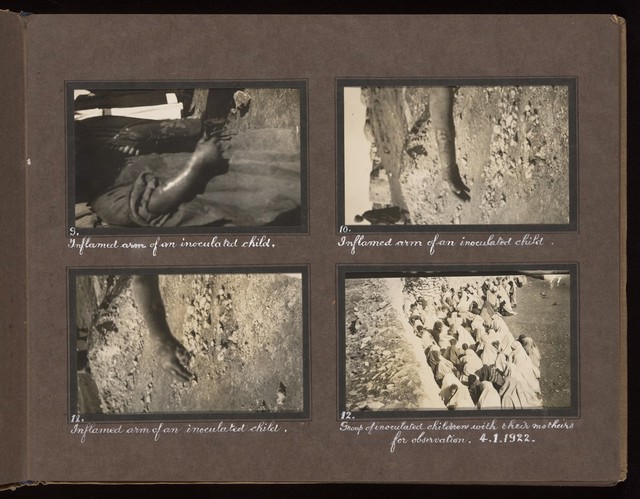
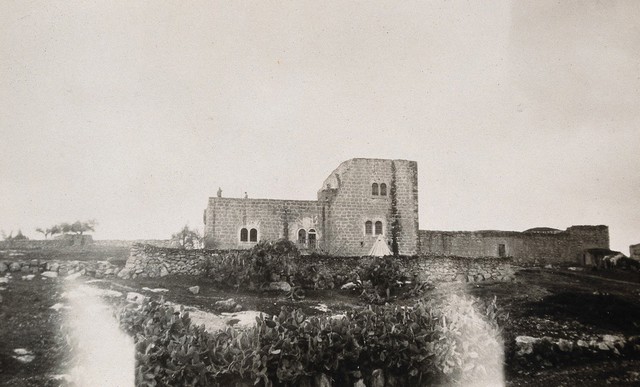
Smallpox epidemic, Palestine: hospital building.
Image record from the Wellcome Collection catalogue; consult the source record for further archival context.
السجلات المفهرسة تحت Wellcome Collection مع المعرّفات والروابط وبيانات الحقوق الأصلية. هذه المواد المستوردة وليست كامل مقتنيات المؤسسة. تحقق من المؤسسة الأصلية عندما يكون المصدر مجمّعًا للبيانات.
88 سجلًا مطابقًا؛ الأوصاف والعناوين الأصلية محفوظة. البحث والمرشحات →
التحقق من الأدلة · توثيق المادة والمقطع · الحقوق
Image record from the Wellcome Collection catalogue; consult the source record for further archival context.
Image record from the Wellcome Collection catalogue; consult the source record for further archival context.
Image record from the Wellcome Collection catalogue; consult the source record for further archival context.
Image record from the Wellcome Collection catalogue; consult the source record for further archival context.
Image record from the Wellcome Collection catalogue; consult the source record for further archival context.
Image record from the Wellcome Collection catalogue; consult the source record for further archival context.
Image record from the Wellcome Collection catalogue; consult the source record for further archival context.
Image record from the Wellcome Collection catalogue; consult the source record for further archival context.
Image record from the Wellcome Collection catalogue; consult the source record for further archival context.
Image record from the Wellcome Collection catalogue; consult the source record for further archival context.
Image record from the Wellcome Collection catalogue; consult the source record for further archival context.
Upper Egypt, temple at Dendara Shows close-up of the mud-brick sanatorium where visitors were annointed with water from a sacred lake which had first been poured over healing statues. They could also spend the night here in the hope that Hathor would appear to them in a healing dream (incubation). This tradition mirrored that practiced in the Greek and Roman world at this time where local healing cults (as well as the major cult of Asclepius) flourished and where temple complexes served as healing shrines and sanctuaries for the sick as well as religious houses. To the north of the sanatorium (top right) is the birth house (mammisi), built during the Roman period, where Hathor ritually gave birth to the young lhy who represented the youthful phase of creator gods in general. Dendara was the capital of the 6th nome of Upper egypt and a town of some importance. The temple complexx dates from the period between Dynasty XXX (380-343 BC) and the roman Period (CE 30-395). It was a major cult centre for Hathor, the co godess represented in human form wearing on her head the sun-disc flanked by a cow's horns. Dendara was one of the oldest centres of worship of Hathor; a temple was first bu
Image record from the Wellcome Collection catalogue; consult the source record for further archival context.
Image record from the Wellcome Collection catalogue; consult the source record for further archival context.
Image record from the Wellcome Collection catalogue; consult the source record for further archival context.
Image record from the Wellcome Collection catalogue; consult the source record for further archival context.
Image record from the Wellcome Collection catalogue; consult the source record for further archival context.
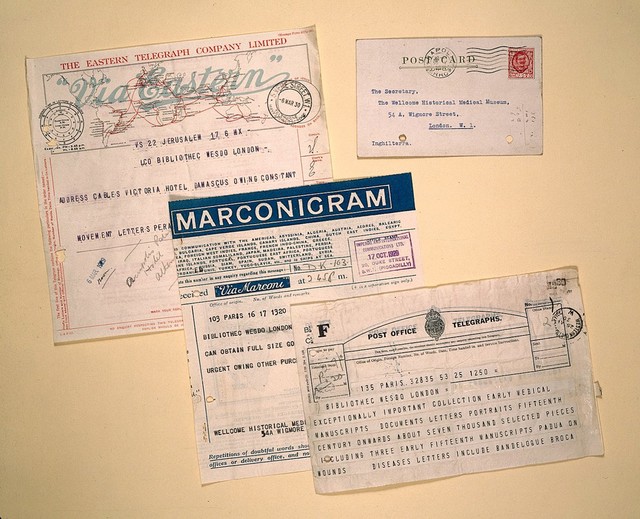
Various telegrams sent from Jerusalem and Paris, including the 'gorillagram', dated 1929 and 1930.
Image record from the Wellcome Collection catalogue; consult the source record for further archival context.
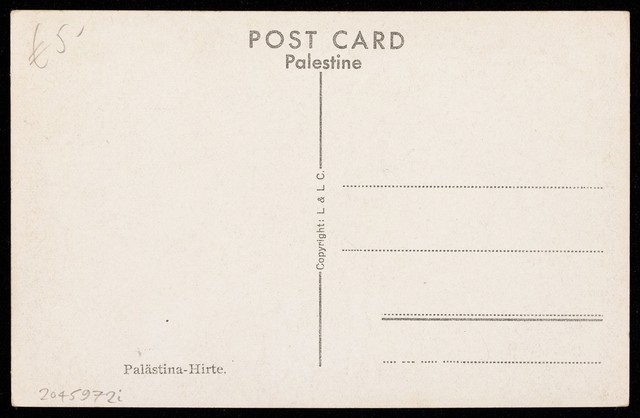
Photograph of a man with shoulder length hair and a moustache, printed in black and white, wearing a white keffiyeh, robe and a bag on a chest harness. He has an intense expression on his face. Lettering on the postcard identifies him as a shepherd.
Image record from the Wellcome Collection catalogue; consult the source record for further archival context.
Image record from the Wellcome Collection catalogue; consult the source record for further archival context.
Image record from the Wellcome Collection catalogue; consult the source record for further archival context.
Ferris wheel, 1890's, unidentified location in Egypt. A homemade, intricately constructed wooden ferris wheel is a popular entertainment for village children on the banks of the Nile. When this photograph was taken, the population of Egypt was about 10 million, of which 8 million lived in the countryside. Between 10% and 20% were landless peasants and 1% of the population owned 40% of the land. During the 19 th century the rural economy was transformed from subsistence to cash-crop agriculture. During the process smallholders who had been independant producers with rights to use land became landless peasants forced to work as wage labourers or to migrate to the cities where they became part of the urban dispossessed. In 1882 the British occupied Egypt and it became part of the British Empire but never a colony. The khedival government provided a facade of autonomy but the real power in the country was the British agent and consul general (between 1883-1907 it was Lord Cromer) backed by the British army. In 1906 most landowners owned between one and five feddans (a feddan is 1.038 acres) with three feddans being necessary for subsistence. By 1952 the life expectancy in Egypt was onl