Apollo 14 Launch Coverage
Description available on the original archive record.
السجلات المفهرسة تحت NASA Image and Video Library مع المعرّفات والروابط وبيانات الحقوق الأصلية. هذه المواد المستوردة وليست كامل مقتنيات المؤسسة. تحقق من المؤسسة الأصلية عندما يكون المصدر مجمّعًا للبيانات.
4,093 سجلًا مطابقًا؛ الأوصاف والعناوين الأصلية محفوظة. البحث والمرشحات →
التحقق من الأدلة · توثيق المادة والمقطع · الحقوق
Description available on the original archive record.
Description available on the original archive record.
Description available on the original archive record.
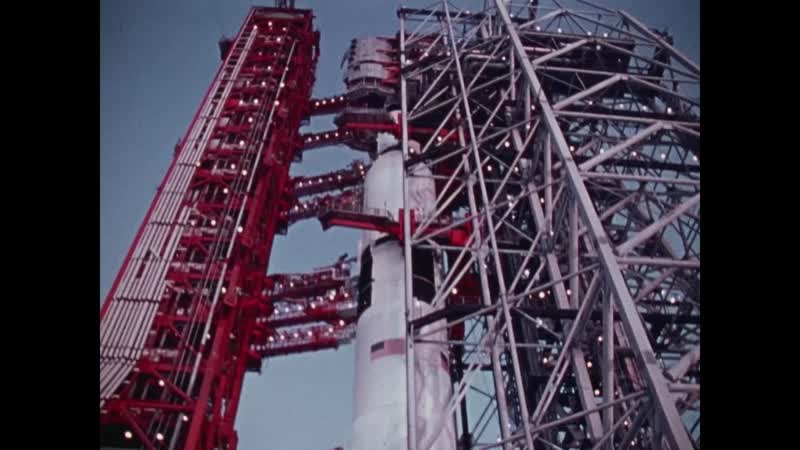
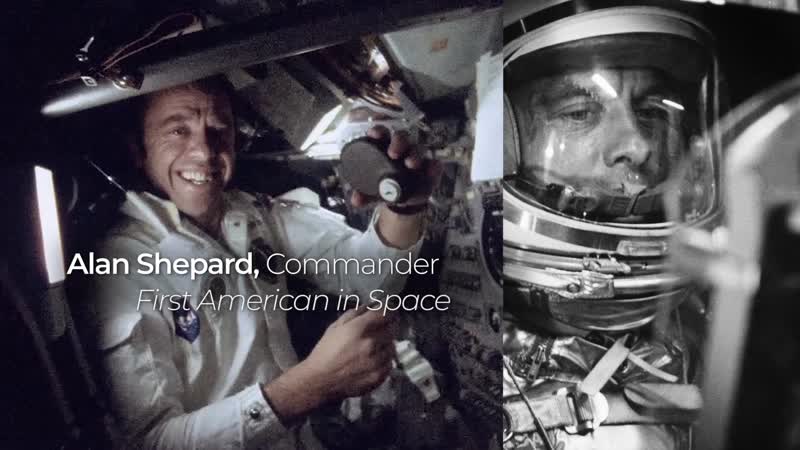
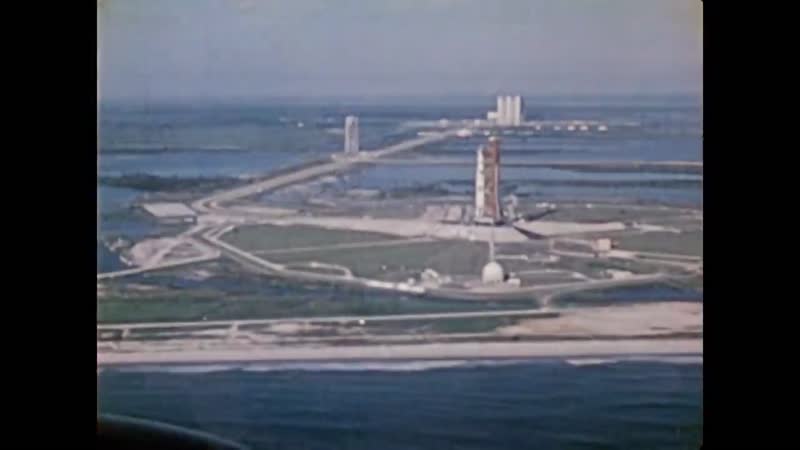
Apollo 14 was the eighth crewed Apollo mission and the third to land on the Moon. On January 31, 1971, Apollo 14 launched from Kennedy Space Center with a crew of commander Alan B. Shepard, command module pilot Stuart A. Roosa, and lunar module pilot Edgar D. Mitchell. The crew experienced challenges in docking with the lunar module Antares and six attempts were required before a "hard dock" was achieved. On February
Our first wheels on the Moon. On the Apollo 15 mission, the Lunar Roving Vehicle allowed the astronauts to cover a much greater distance on the Moon than the previous three flights had accomplished. This year marks the 50th anniversary of the Apollo 15 mission. On July 26, 1971, David R. Scott (Commander), James B. Irwin (Lunar Module Pilot) and Alfred M. Worden (Command Module Pilot) launched from Kennedy Space Cent
On June 2, NASA Administrator Bill Nelson and others attended the Apollo 1 Monument Dedication at Arlington National Cemetery, in Virginia. The event was hosted by the Challenger Center and the Aerospace Industries Association to acknowledge the completion of the Apollo 1 Monument, which honors and memorializes the Apollo 1 crew – astronauts Gus Grissom, Ed White and Roger Chaffee – and others who lost their lives in
Space station crew reflects on the legacy of Apollo 11 a half century later.
This montage video shows highlights from the Apollo 11 mission, from liftoff in Florida to departure from the moon.
This montage video shows highlights from the Apollo 11 mission, from liftoff in Florida to departure from the Moon.
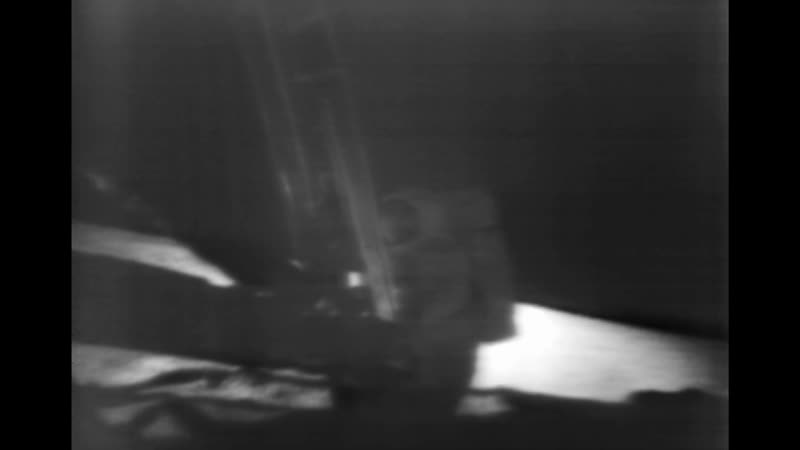
Neil Armstrong reads a commemorative plaque affixed to the Apollo 11 lunar module. The video compares existing footage with the partially restored video. The thumbnail image shows the new footage on the left and the old on the right.
This two-minute video montage shows highlights of the Apollo 11 moonwalk.
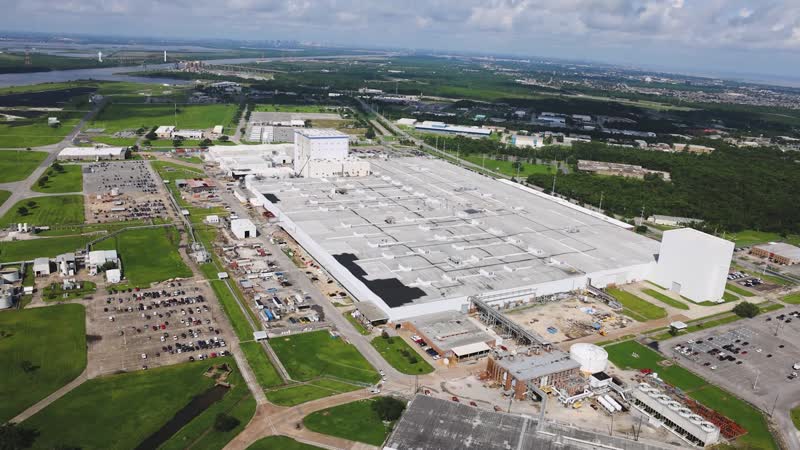
This video includes animation and shows work being completed to build, assemble and test NASA's new heavy-lift rocket, the Space Launch System (SLS) for the Artemis I mission to the Moon. All of the components being prepared for the first SLS mission are highlighted. SLS will be the most powerful rocket ever built, launching astronauts in NASA's Orion spacecraft on missions to the Moon, Mars and deep space. Two solid
This video includes animation and shows work being completed to build, assemble and test NASA's new heavy-lift rocket, the Space Launch System (SLS) for the Artemis I mission to the Moon. SLS will be the most powerful rocket ever built, launching astronauts in NASA's Orion spacecraft on missions to the Moon, Mars and deep space. Two solid rocket boosters and four RS-25 engines will power the massive rocket, providing
Shortly after NASA’s Orion spacecraft passed the halfway mark between the Earth and the Moon, Canadian Space Agency astronaut Jeremy Hansen conducted a live question and answer session with media who were on site at the Canadian Space Agency HQ in Longueuil (Quebec, Canada). The conversation occurred on April 4, 2026, while the Artemis II mission was on its way to fly around the Moon. jsc2026m000065
Animation showing Orion's journey to the Moon on Artemis I - 4k letterbox version. Artemis I will be the first integrated flight test of NASA’s deep space exploration system: the Orion spacecraft, Space Launch System (SLS) rocket and the ground systems at Kennedy Space Center in Cape Canaveral, Florida. During this flight, the uncrewed Orion spacecraft will launch on the most powerful rocket in the world and travel t
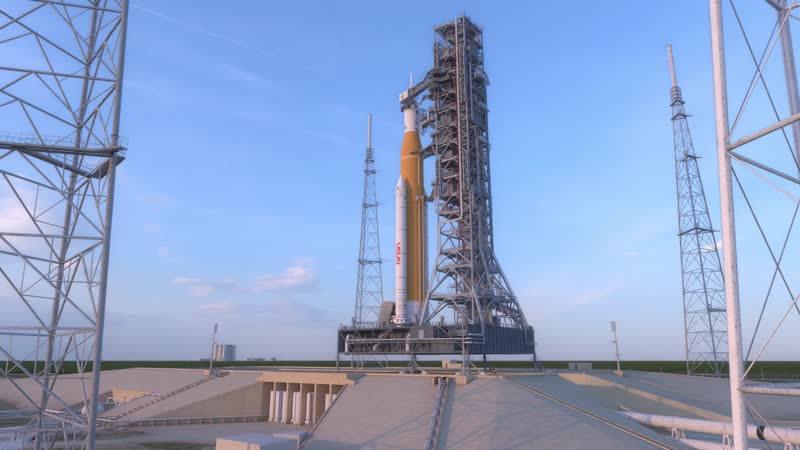
This animation shows NASA’s Space Launch System (SLS) rocket on the Mobile Launcher at the agency’s Kennedy Space Center in Florida for the Artemis I mission. The super heavy-lift rocket will power NASA’s next-generation Moon missions through the agency’s Artemis program. NASA’s iconic Logotype “Worm” logo is depicted on the side of each of the SLS rocket’s solid rocket boosters. The letters are 8.3 feet tall with th
With Artemis missions, NASA will land the first woman and first person of color on the Moon, using innovative technologies to explore more of the lunar surface than ever before. We will collaborate with commercial and international partners and establish the first long-term presence on the Moon. Then, we will use what we learn on and around the Moon to take the next giant leap: sending the first astronauts to Mars. M
Artemis 1 will be the first integrated test of NASA’s deep space exploration systems: the Orion spacecraft, Space Launch System (SLS) rocket and the ground systems at Kennedy Space Center in Cape Canaveral, Florida. The first in a series of increasingly complex missions, Artemis I will be an uncrewed flight test that will provide a foundation for human deep space exploration, and demonstrate our commitment and capabi
art001m1013340036 (Nov. 30, 2022) On flight day 15 of the Artemis I mission, Orion continued in its distant retrograde orbit beyond the Moon, capturing a video of the Moon from a camera on one of its solar arrays.
NASA’s Space Launch System (SLS) rocket with the Orion spacecraft atop launches the agency’s Artemis I flight test, Wednesday, Nov. 16 from Launch Complex 39B at NASA’s Kennedy Space Center in Florida. The Moon rocket and spacecraft lifted off at 1:47 a.m. ET. The Artemis I mission is the first integrated test of the agency’s deep space exploration systems: the Space Launch System rocket, Orion spacecraft, and suppor
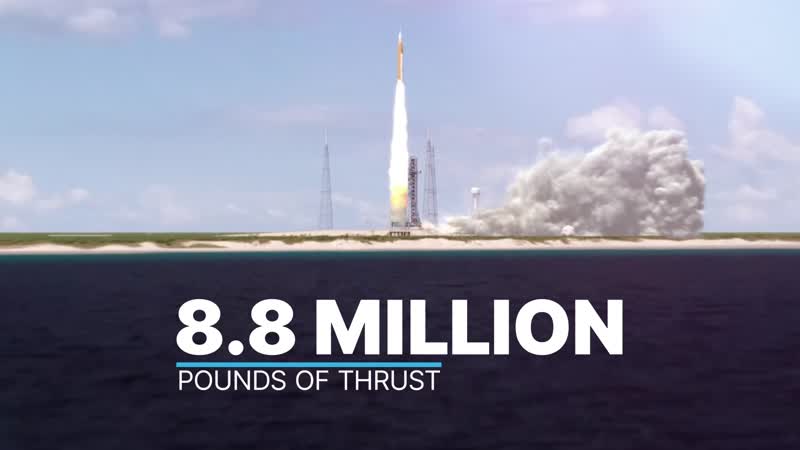
NASA’s Artemis I mission lifted off on Nov. 16, 2022 from Kennedy Space Center’s Launch Complex 39B. This video includes highlights from the event. With 8.8 million pounds of thrust, the Space Launch System (SLS), is NASA’s most powerful rocket. It will send the uncrewed Orion spacecraft beyond the Moon, 280,000 miles from Earth, farther than any human-rated spacecraft has ever flown. After26 days and a total distanc
Some Artemis II astronauts check out some flight hardware, a mission that will map millions of galaxies, and studying disturbances in the atmosphere … a few of the stories to tell you about – This Week at NASA!
Artemis II’s SLS (Space Launch System) rocket lifted off from Launch Pad 39B at NASA’s Kennedy Space Center in Florida, at 6:35 p.m. EDT (2235 UTC) on April 1, 2026, sending NASA astronauts Reid Wiseman, Victor Glover, Christina Koch, and CSA (Canadian Space Agency) astronaut Jeremy Hansen on an approximately 10-day test flight around the Moon and back aboard their Orion spacecraft. This video includes highlights fro
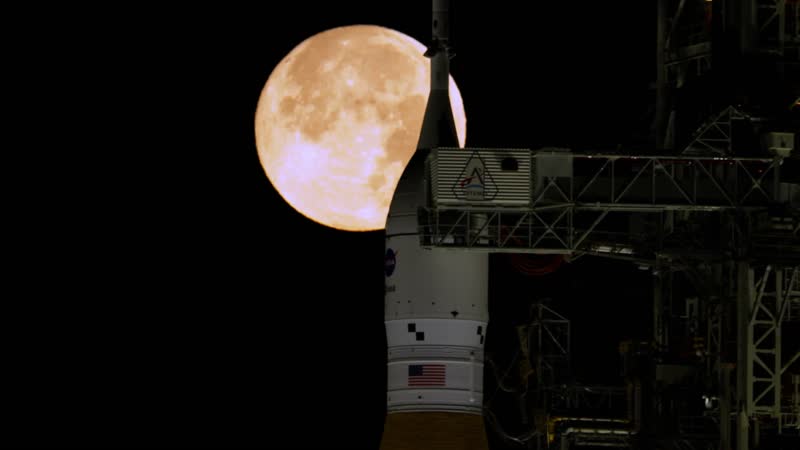
A full Moon is seen shining over NASA’s SLS (Space Launch System) and Orion spacecraft, atop the mobile launcher in the early hours of February 1, 2026. The rocket is currently at Launch Pad 39B at NASA’s Kennedy Space Center in Florida, as teams are preparing for a wet dress rehearsal to practice timelines and procedures for the launch of Artemis II.


/April 2020 SLS Resource Reel Long Form(V2)~large.jpg)
/April 2020 SLS Resource Reel Short Form (V1)~large.jpg)



/Artemis I Launches to the Moon (Official NASA Recap)~large.jpg)
/Artemis II Launches Astronauts to the Moon (Official NASA Recap)~large.jpg)