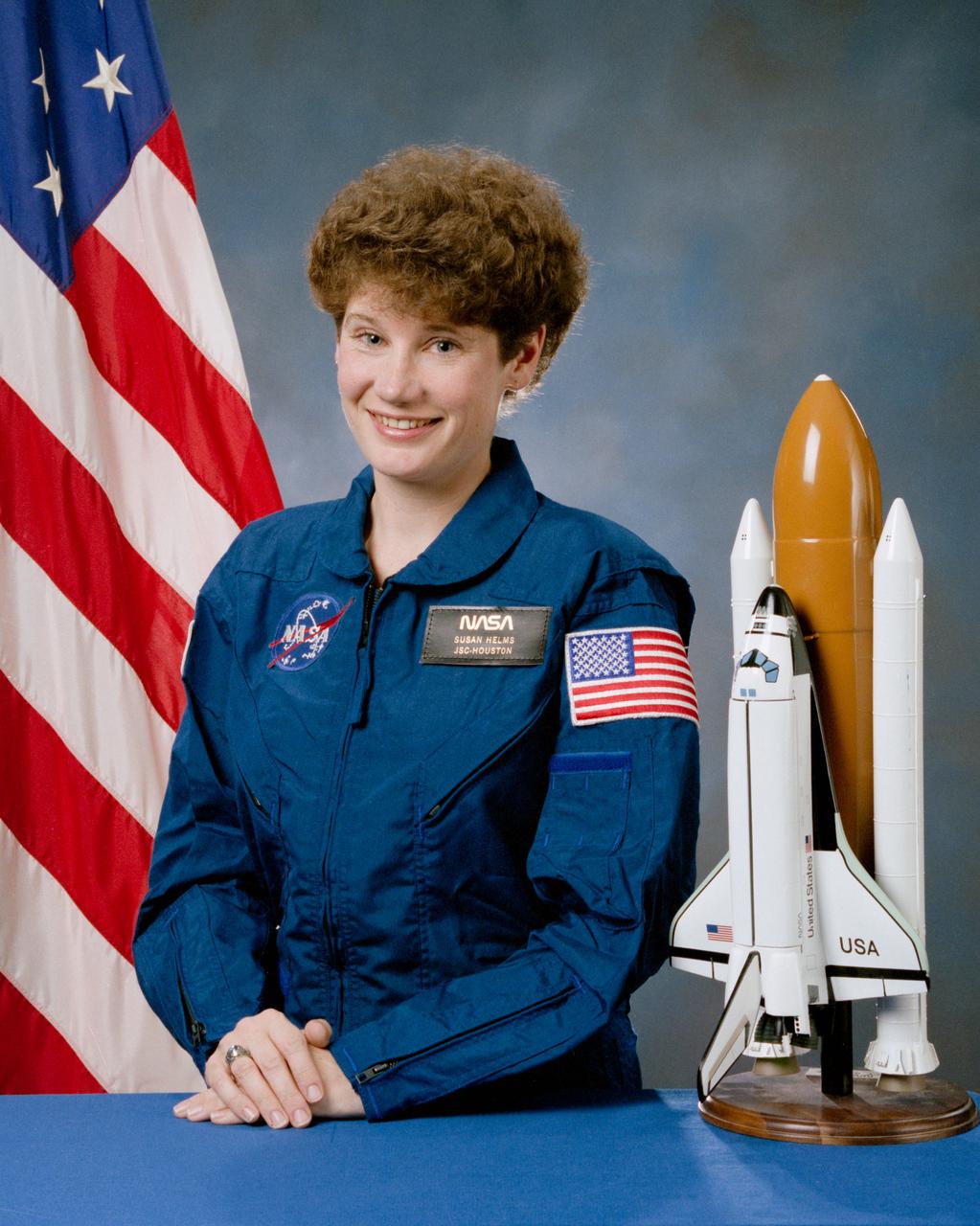
Official portrait of astronaut candidate Susan J. Helms
S90-45390 (August 1990) --- Astronaut Susan J. Helms, mission specialist.
السجلات المفهرسة تحت NASA Image and Video Library مع المعرّفات والروابط وبيانات الحقوق الأصلية. هذه المواد المستوردة وليست كامل مقتنيات المؤسسة. تحقق من المؤسسة الأصلية عندما يكون المصدر مجمّعًا للبيانات.
4,093 سجلًا مطابقًا؛ الأوصاف والعناوين الأصلية محفوظة. البحث والمرشحات →
التحقق من الأدلة · توثيق المادة والمقطع · الحقوق
S90-45390 (August 1990) --- Astronaut Susan J. Helms, mission specialist.
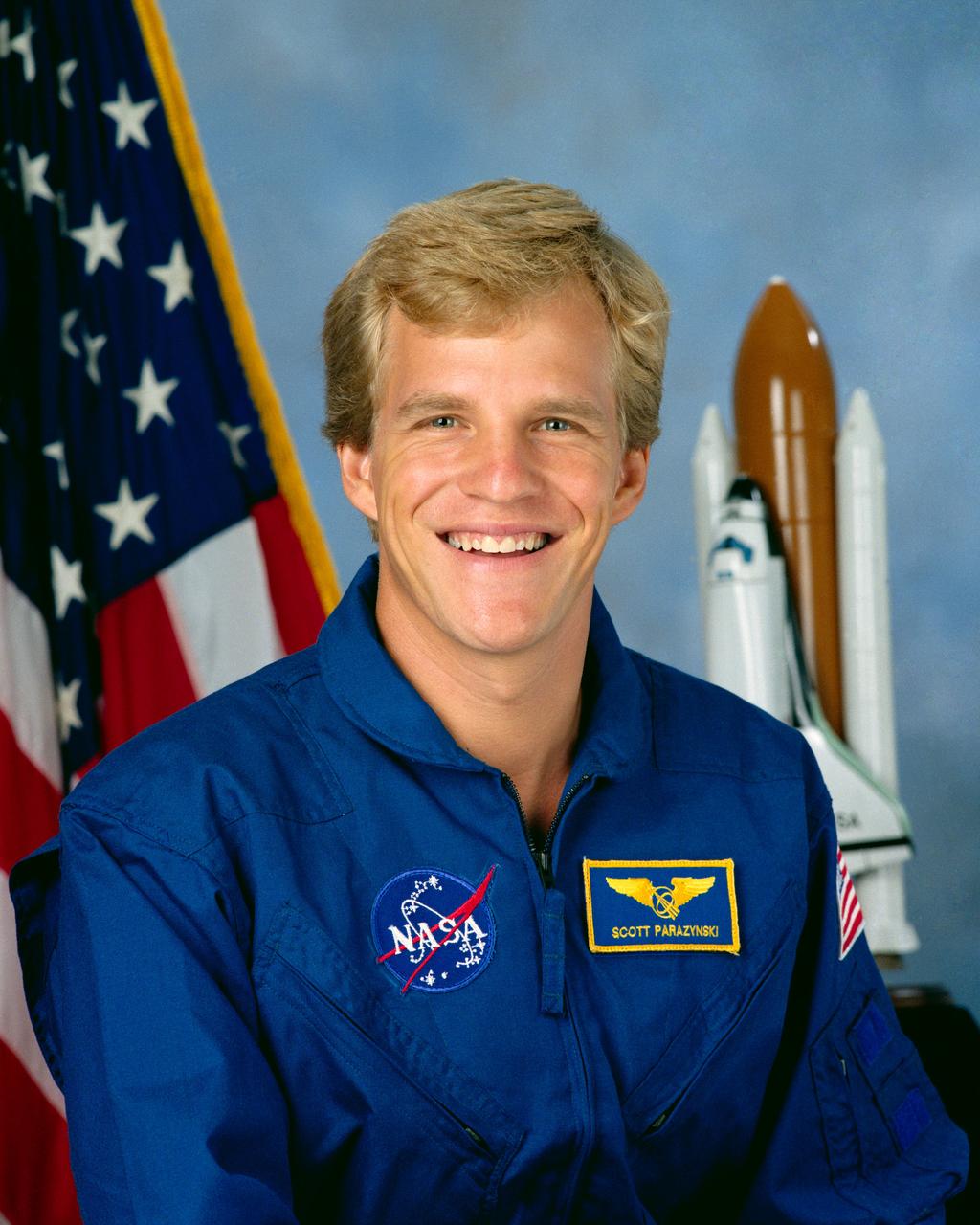
S92-44926 (September 1992) --- Astronaut Scott E. Parazynski, mission specialist.
The core stage for the first flight of NASA’s Space Launch System rocket is seen in the B-2 Test Stand during a second hot fire test, Thursday, March 18, 2021, at NASA’s Stennis Space Center near Bay St. Louis, Mississippi. The four RS-25 engines fired for the full-duration of 8 minutes during the test and generated 1.6 million pounds of thrust. The hot fire test is the final stage of the Green Run test series, a com
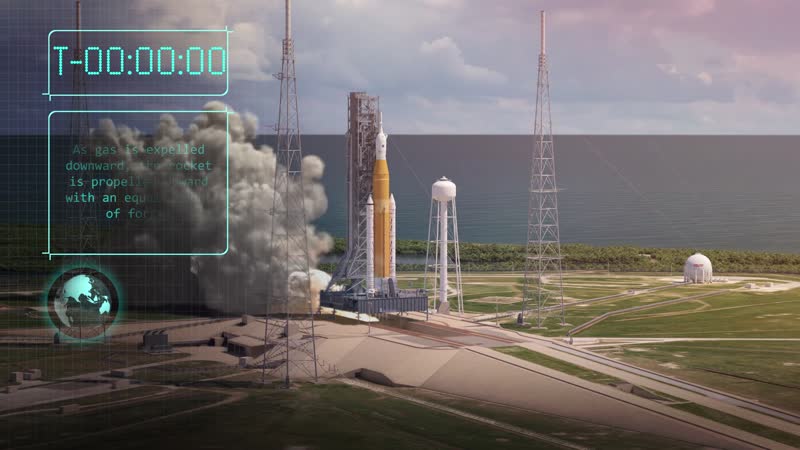
Hear the countdown and see how NASA’s Space Launch System (SLS), the world’s most powerful rocket, will send the Orion spacecraft to the Moon on the Artemis 1 Mission. This video takes you through the pre-launch sequence at NASA’s Kennedy Space Center in Florida and through all the flight operations as SLS launches Orion and sends it on to lunar orbit. For more information: https://www.nasa.gov/artemis-1
In this video, Bruce Tiller, Boosters Office manager for NASA’s Space Launch System Program at NASA’s Marshall Space Flight Center in Huntsville, Alabama, discusses the arrival of the booster segments at NASA’s Kennedy Space Center in Florida. The 10 rocket motors arrived at Kennedy on June 2020 and will be part of the first SLS rocket to help launch the first Artemis mission to the Moon. Delivery of the Artemis I bo
The newest Artemis generation astronauts revealed the advice they'd give to their younger selves: "Work on things that you think matter." "It's okay to dream big." "Keep that curiosity alive." "Find mentors early."
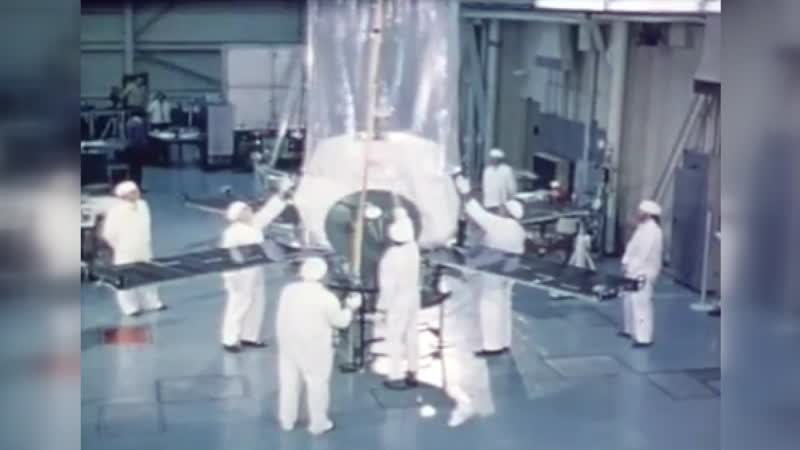
May 2017 marked the end of an era for NASA’s Goddard Space Flight Center because the James Webb Space Telescope has moved to NASA’s Johnson Space Center in Houston, TX. Webb has been at Goddard in some form for 21 years. And with the completion of the acoustic, vibration and center of curvature tests, the telescope part of the Webb spacecraft was finally ready for the next big test - the cryogenic vacuum test in the
The first decade of the International Space Station was the decade of construction. The second decade moved from initial studies to fully using the capabilities of the orbiting laboratory. We have now entered the decade of results. With more than 20 years of experiments conducted on station, more breakthroughs are materializing than ever before.Explore 15 of the ways the space station is benefiting humanity: https://
These highlights include Mariner orbit of Mars, Interplanetary Monitoring Platform, Orbiting Solar Observatory, small scientific satellite, sounding rockets, Stratoscope 11, earth resources, aeronautics, jet noise abatement, airport runway safety, Apollo 14 and 15, and Skylab.
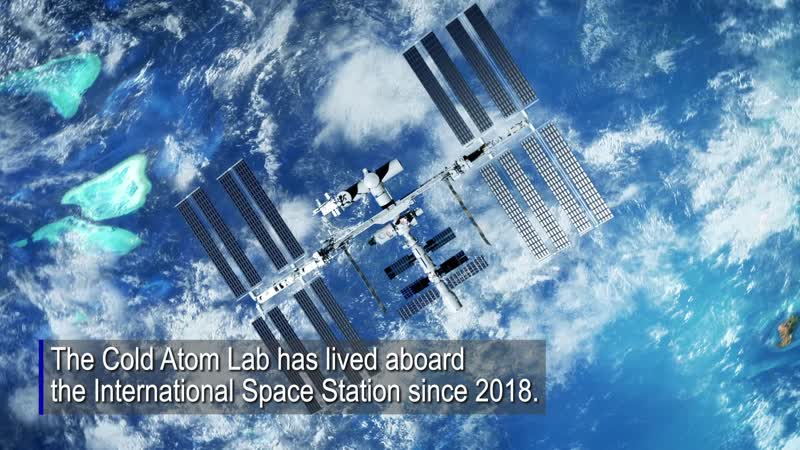
NASA's Cold Atom Laboratory underwent a major hardware upgrade aboard the International Space Station in January 2020. The mission team at NASA's Jet Propulsion Laboratory in Southern California guided astronauts Christina Koch and Jessica Meir through the installation of the new hardware via live video conference. By chilling atom clouds to just above absolute zero, or the coldest temperature matter can reach, Cold
NASA's Europa Clipper will conduct detailed reconnaissance of Jupiter's moon Europa and investigate whether the icy moon could harbor conditions suitable for life. Imagery shows the instrument being installed in NASA Langley's Sound Chamber for testing. The mission will place a spacecraft in orbit around Jupiter in order to perform a detailed investigation of Europa -- a world that shows strong evidence for an ocean
For over 20 years, the International Space Station has conducted research in microgravity to develop technologies, unlock biological phenomena, and more! In 2022 the station’s unique laboratory enabled measurements of the Earth’s surface temperature, paved the way in experimental quantum physics, and conducted hundreds of experiments across scientific disciplines. The Annual Highlights of Results from the Internation
Lessons learned and the importance of a strong safety culture will be discussed as part of NASA’s Day of Remembrance activities to honor our fallen heroes. The panel includes Administrator Bill Nelson, Deputy Administrator Pam Melroy and Associate Administrator Bob Cabana. In 2023, NASA Day of Remembrance falls on Thursday, Jan. 26. We will never forget the crews of Apollo 1, Challenger STS-51L, and Columbia STS-107.
As NASA and CSA (Canadian Space Agency) prepare to announce the four astronauts who will venture around the Moon on Artemis II, teams at NASA’s Michoud Assembly Facility in New Orleans are working to prepare their ride. All five major elements of the core stage for NASA’s Space Launch System (SLS) rocket are fully integrated. Watch as technicians line up the stage and insert 360 bolts to join the last major element t
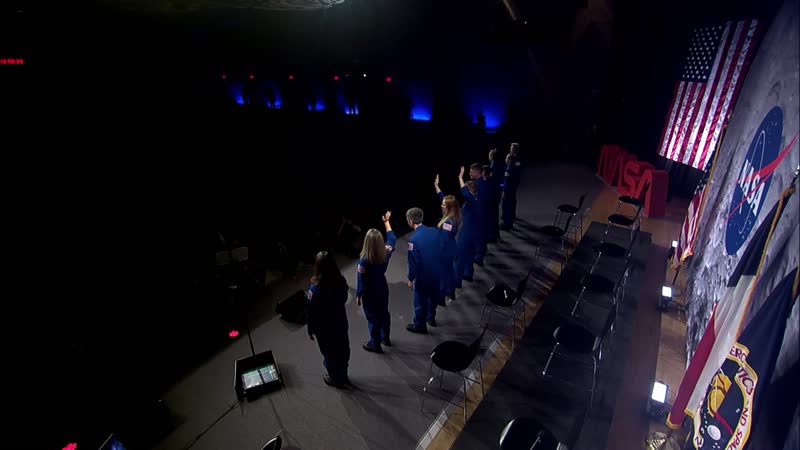
After evaluating more than 8,000 applications, NASA debuted its 2025 class of astronaut candidates during a ceremony on Sept. 22.
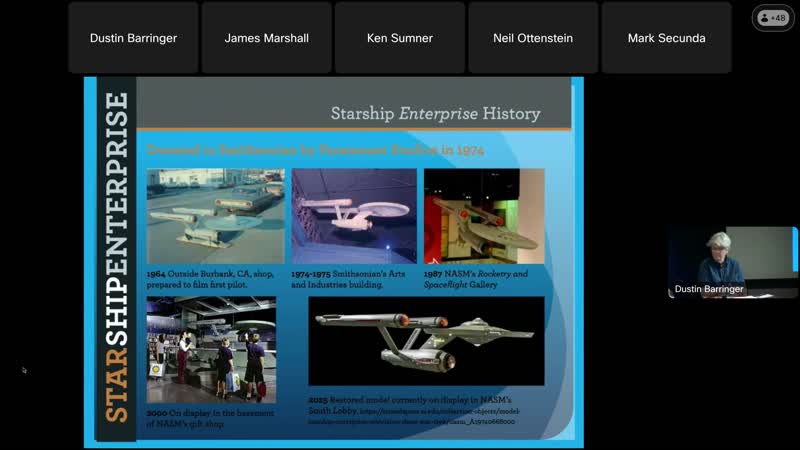
In Star Trek, Gene Roddenberry sought to create a work of science fiction that would engage viewers not only through clever storylines and modern visual effects, but also by presenting the story in a scientific and technological context that felt believable. Roddenberry, a former WWII combat and commercial airline pilot, used his connections in the aerospace industry to seek out knowledgeable people and agencies to g
The Global Ecosystem Dynamics Investigation (GEDI) on the space station beams laser light down to Earth to reveal the height and density of trees and vegetation.
In July 1994, astronomers around the world watched as the fragments of comet Shoemaker-Levy 9 slammed into the planet Jupiter.
2019 is an excellent year to look to the sky and enjoy the spectacular view of Earth’s nearest neighbor, the Moon.
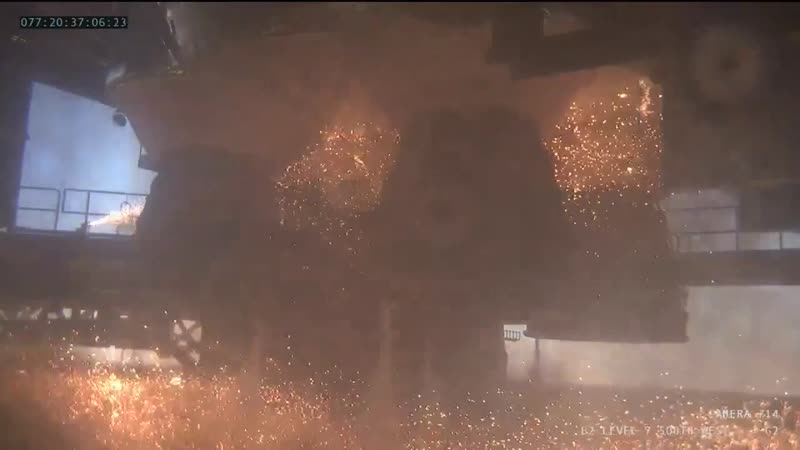
This video shows teams from NASA and Northrop Grumman fire a ground-based version of a booster for the agency’s SLS (Space Launch System) rocket June 26. Secured horizontally in a test stand at Northrop Grumman’s test facility in Promontory, Utah, the single five-segment booster motor fired for more than two minutes and produced 3.9 million pounds of thrust. The booster for this test, known as Demonstration Motor-1 (
Earth observing instruments on the space station along with photography from crew members serve to keep a multifunctional eye on our home planet.
Welcome to the world of 3D biomanufacturing, a cutting-edge practice on Earth that is being tested aboard the International Space Station.
Scientists are working hard to better understand why vision changes occur for some astronauts in microgravity, while continuously developing strategies to counter those changes.
NASA now has the ability to recycle 98% of the water collected from the US segment on the space station – meeting the threshold necessary for water recovery on long-duration space exploration missions.






/2_minutes_of_dm-1_test_feed (1080p)~large.jpg)