English

NASA Image and Video Library

السجلات المفهرسة تحت NASA Image and Video Library مع المعرّفات والروابط وبيانات الحقوق الأصلية. هذه المواد المستوردة وليست كامل مقتنيات المؤسسة. تحقق من المؤسسة الأصلية عندما يكون المصدر مجمّعًا للبيانات.

4,093 سجلًا مطابقًا؛ الأوصاف والعناوين الأصلية محفوظة. البحث والمرشحات →

التحقق من الأدلة · توثيق المادة والمقطع · الحقوق

1966مكتبة صور وفيديو ناسا

GEMINI-TITAN (GT)-9 - INSIGNIA - MSC

S66-28075 (May 1966) --- Insignia of the Gemini IX spaceflight. Roman numeral indicates ninth flight in the Gemini series. Two spacecraft symbolize rendezvous and docking of Gemini with an Agena. Astronaut and umbilical (tether) line denote planned extravehicular activity (EVA). Astronauts Thomas P. Stafford, command pilot, and Eugene A. Cernan, pilot, are members of the Gemini IX prime crew. The NASA insignia design
1966مكتبة صور وفيديو ناسا

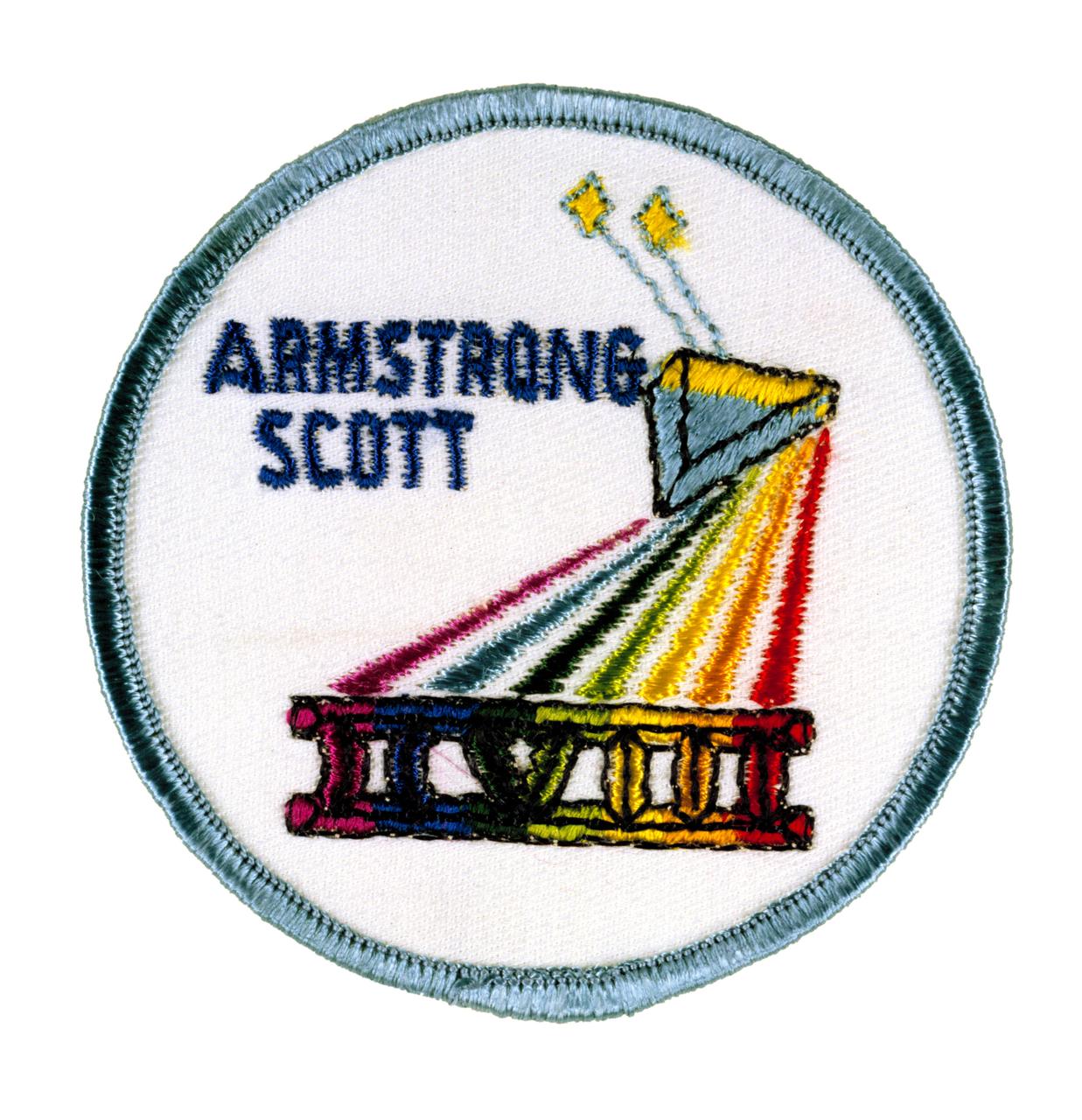
GEMINI-TITAN (GT)-8 - INSIGNIA - COLOR DESIGN - MSC

S66-23978 (March 1966) --- Color design for the emblem of the Gemini-8 spaceflight. Roman numeral indicates the eighth flight in the Gemini series. Prime crewmen for the mission are astronauts Neil A. Armstrong, command pilot; and David R. Scott, pilot. The NASA insignia design for Gemini flights is reserved for use by the astronauts and for other official use as the NASA Administrator may authorize. Public availabil

1966مكتبة صور وفيديو ناسا

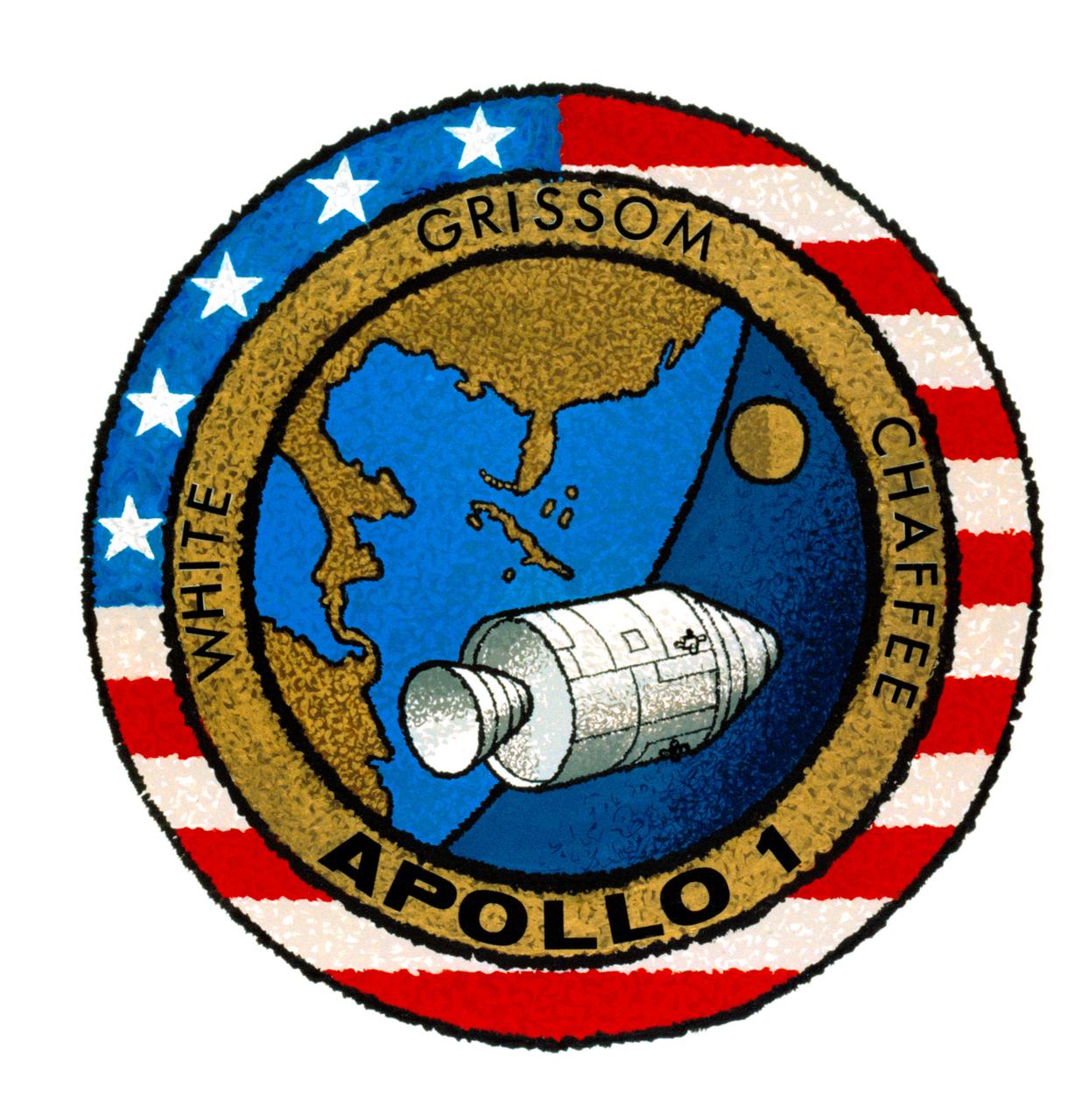
APOLLO-SATURN (AS)-204 INSIGNIA - MSC

S66-36742 (1966) --- This is the insignia for the National Aeronautics and Space Administration's (NASA) Apollo 1 mission, the first manned Apollo flight. Crew members are astronauts Virgil I. Grissom, Edward H. White II and Roger B. Chaffee. The NASA insignia design for Apollo flights is reserved for use by the astronauts and for other official use as the NASA Administrator may authorize. Public availability has bee

1966مكتبة صور وفيديو ناسا

ROUNDUP - EMBLEM - GEMINI-TITAN (GT)-11 - MSC

S66-44308 (September 1966) --- Insignia of the Gemini-Titan XI (GT-11) spaceflight. Roman numeral indicates eleventh flight in the Gemini series. Two spacecraft symbolize rendezvous and docking of Gemini with an Agena. Astronaut and umbilical (tether) line denotes planned extravehicular activity. Astronauts Charles Conrad Jr., command pilot, and Richard F. Gordon Jr., pilot, are members of the Gemini-11 prime crew. T

1966مكتبة صور وفيديو ناسا

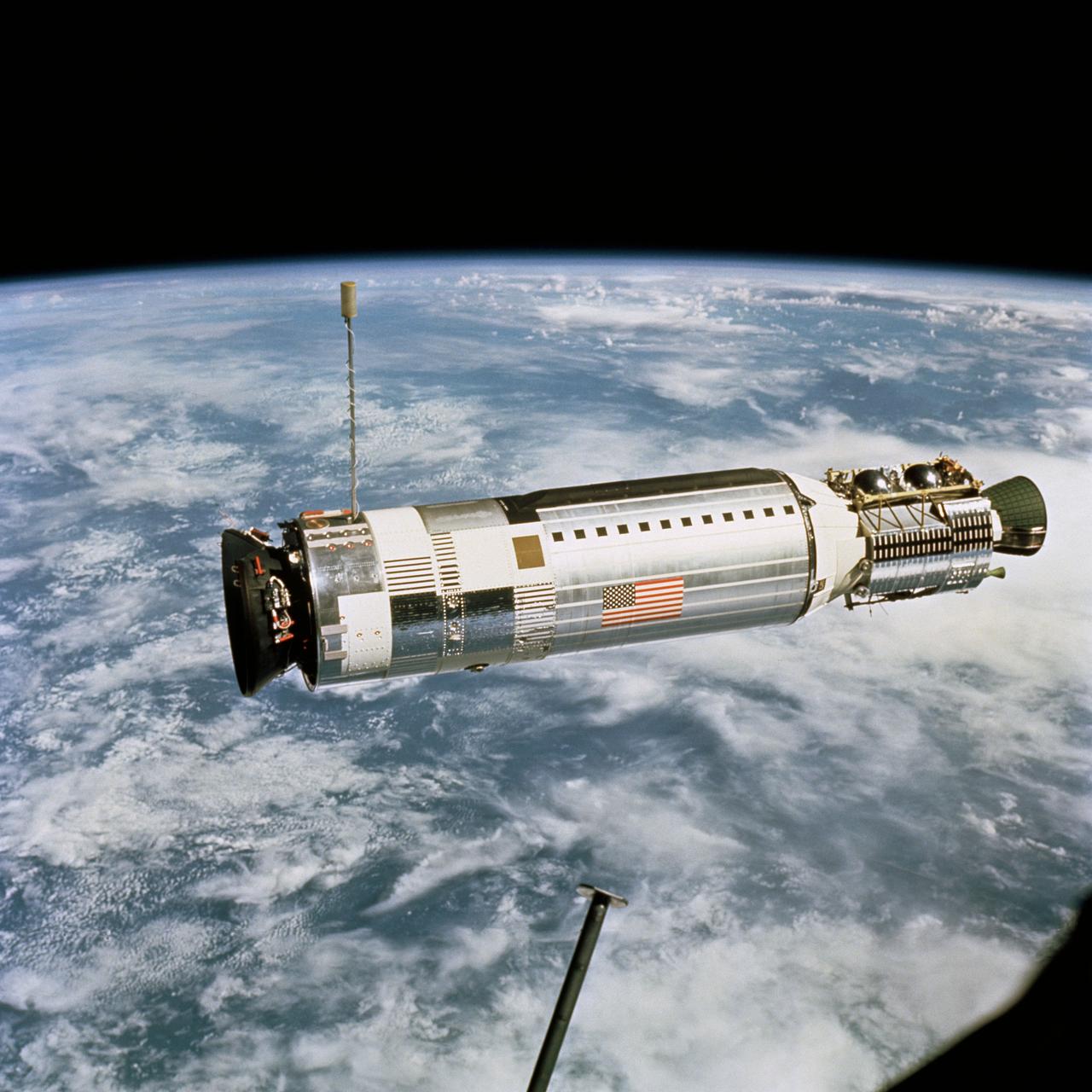
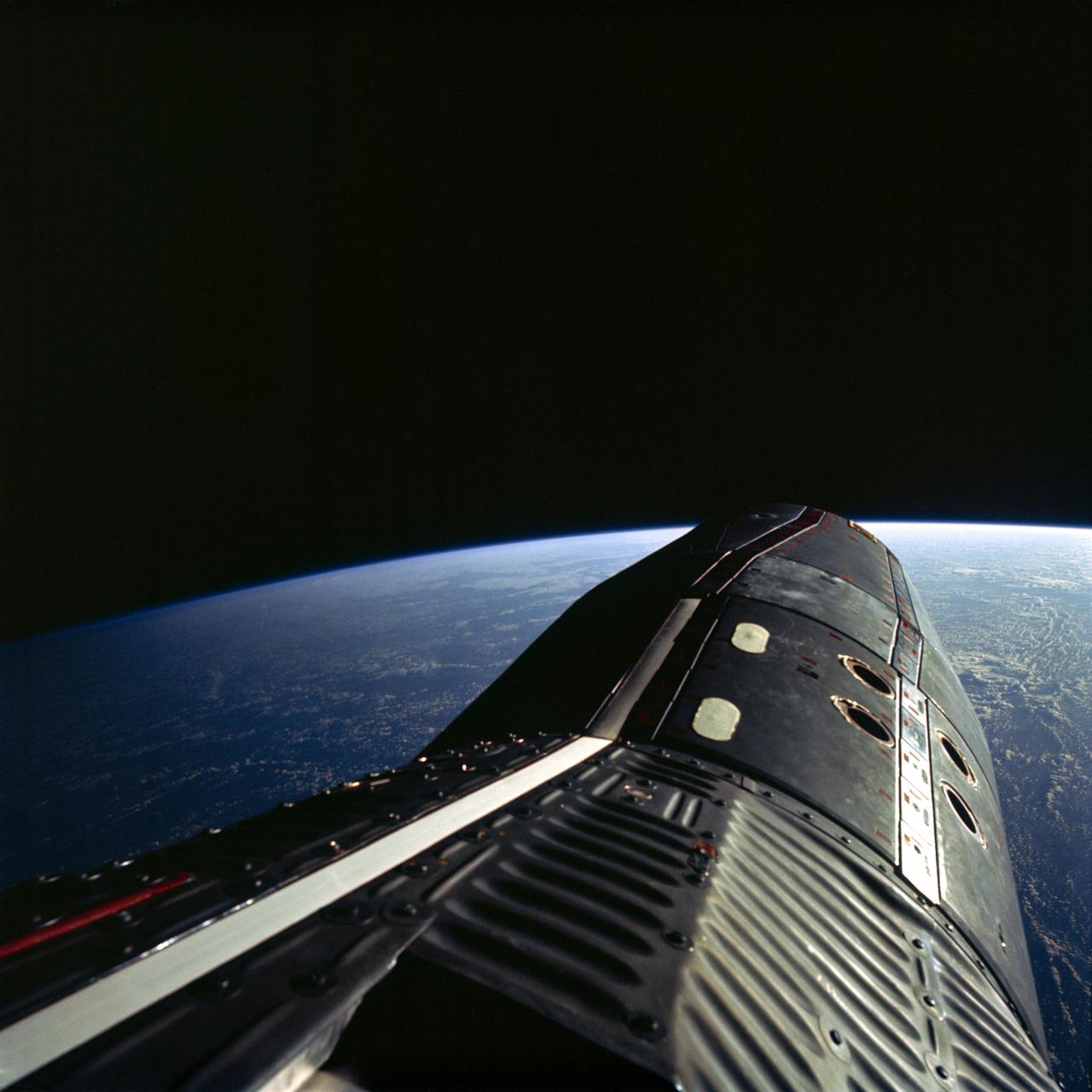
GEMINI-TITAN (GT)-11 - EARTH - SKY - DOCKING - OUTER SPACE

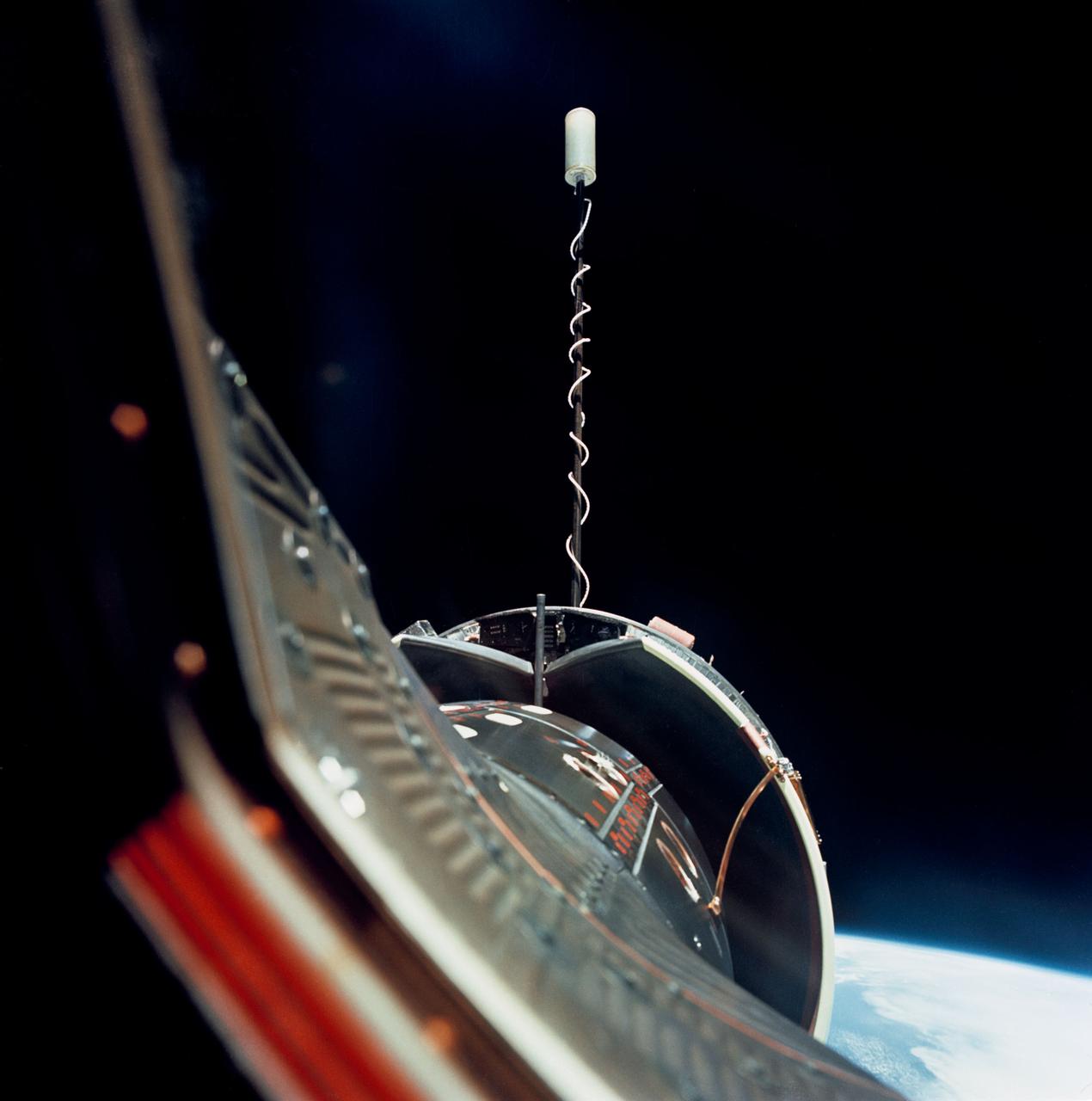
S66-46144 (18 July 1966) --- The Gemini-10 spacecraft is successfully docked with the Agena Target Docking Vehicle 5005. The Agena display panel is clearly visible. After docking with the Agena, astronauts John W. Young, command pilot, and Michael Collins, pilot, fired the 16,000-pound thrust engine of Agena-10's primary propulsion system to boost the combined vehicles into an orbit with an apogee of 413 nautical mil

1966مكتبة صور وفيديو ناسا

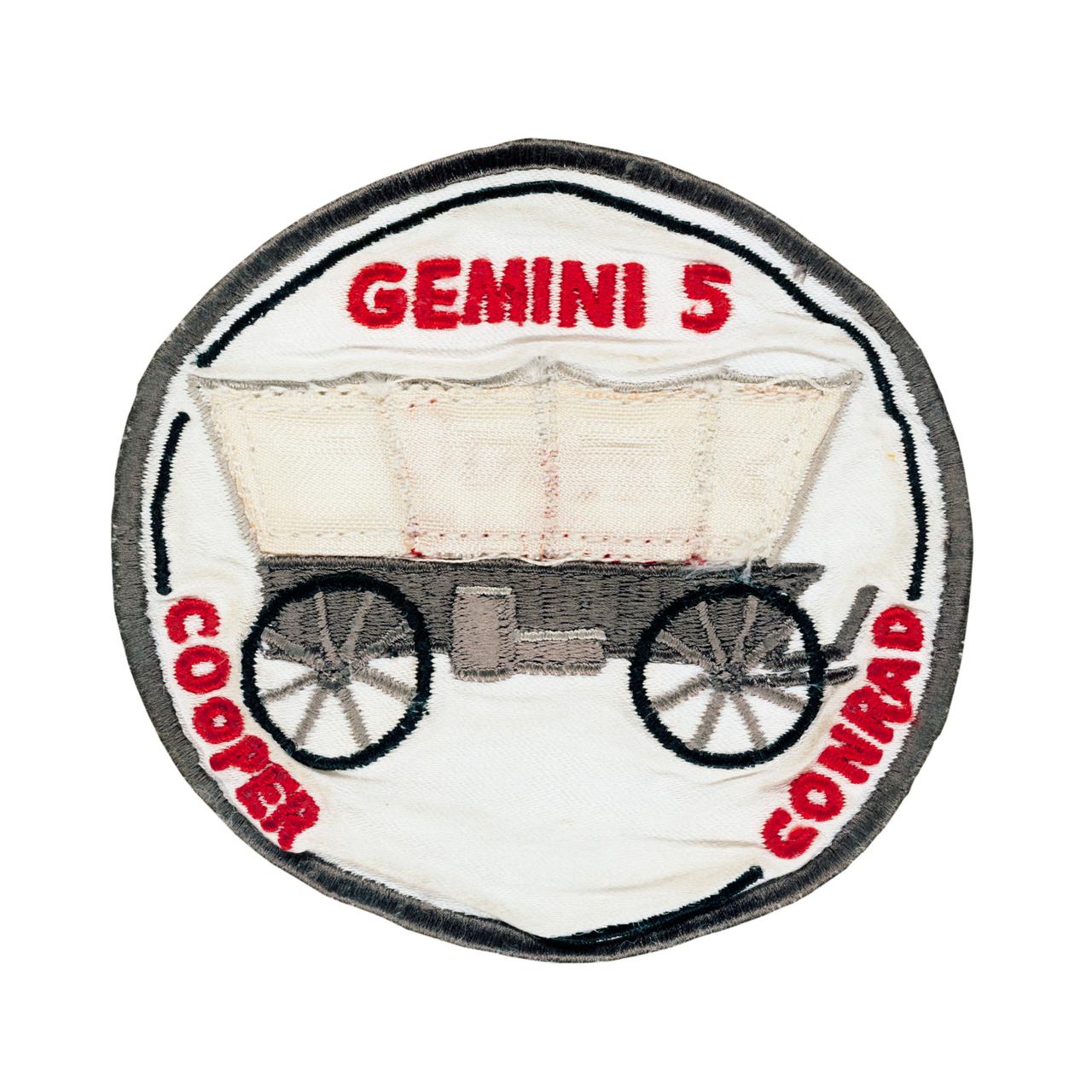
MISSION PATCH - GEMINI-5 SPACE FLIGHT - MSC

S66-59530 (August 1965) --- This is the insignia of the Gemini-Titan 5 (GT-5) spaceflight. The Gemini-5 prime crew members are astronauts L. Gordon Cooper Jr., command pilot; and Charles Conrad Jr., pilot. The covered wagon symbolizes pioneer spirit of space exploration. The NASA insignia design for Gemini flights is reserved for use by the astronauts and for other official use as the NASA Administrator may authorize

1966مكتبة صور وفيديو ناسا

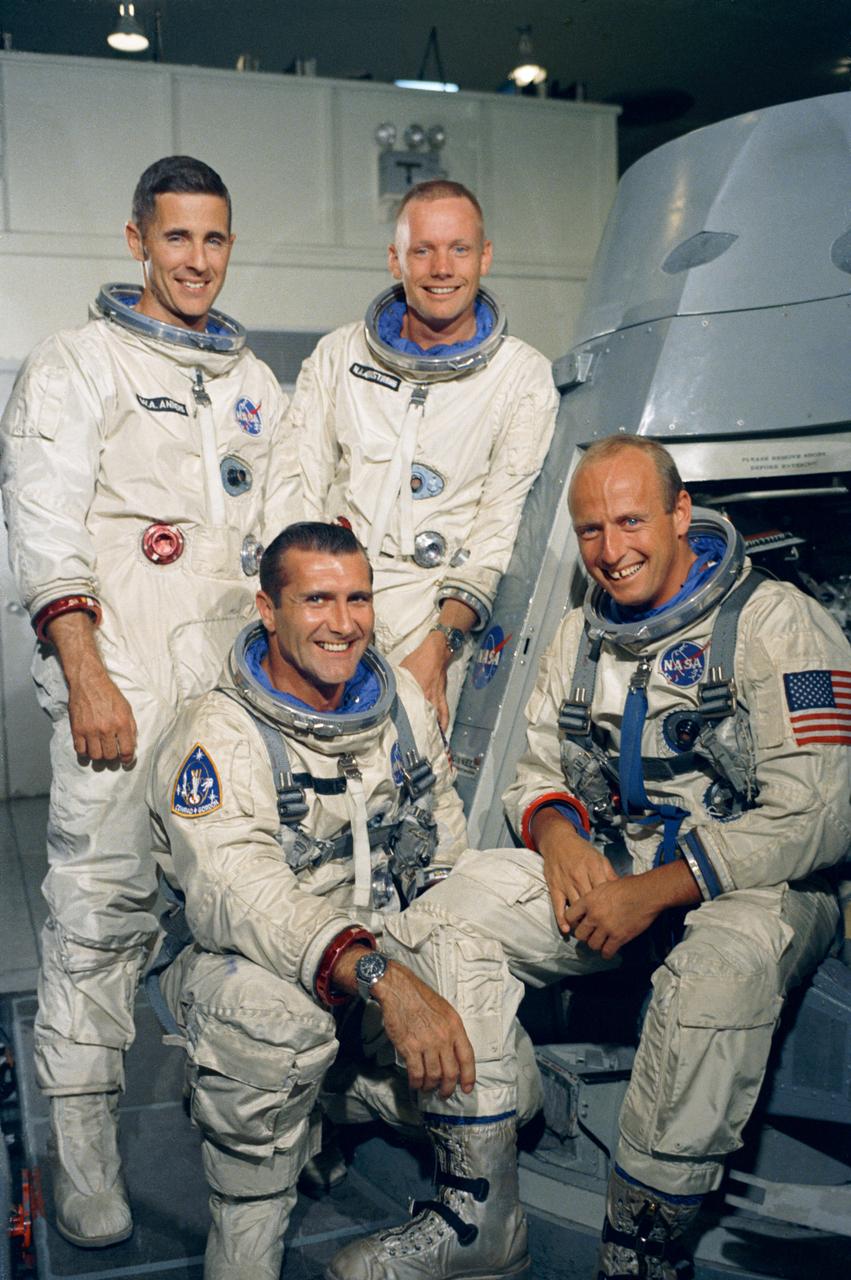
Portrait - Gemini 11 - Prime and Backup Crews

S66-50772 (7 Sept. 1966) --- The Gemini-Titan XI (GT-11) prime and backup crews pose for a group portrait. Seated is the prime crew, astronauts Charles Conrad Jr. (right), command pilot, and Richard F. Gordon Jr. (left), pilot. The backup crew (standing) is astronauts Neil A. Armstrong (right), command pilot, and William A. Anders (left), pilot. The two crews were suited up for a simulation test at the Kennedy Space

1967مكتبة صور وفيديو ناسا

Recovery - Apollo Spacecraft (S/C)-017

S67-49423 (9 Nov. 1967) --- The Apollo Spacecraft 017 Command Module, with flotation collar still attached, is hoisted aboard the USS Bennington, prime recovery ship for the Apollo 4 (Spacecraft 017/Saturn 501) unmanned, Earth-orbital space mission. The Command Module splashed down at 3:37 p.m. (EST), Nov. 9, 1967, 934 nautical miles northwest of Honolulu, Hawaii, in the mid-Pacific Ocean. Note charred heat shield ca

1967مكتبة صور وفيديو ناسا

APOLLO SPACECRAFT 017 - RECOVERY - ATLANTIC

S67-49447 (9 Nov. 1967) --- Close-up view of the charred heat shield of the Apollo Spacecraft 017 Command Module aboard the USS Bennington. The damage was caused by the extreme heat of reentry. The carrier Bennington was the prime recovery ship for the Apollo 4 (Spacecraft 017/Saturn 501) unmanned, Earth-orbital space mission. Splashdown occurred at 3:37 p.m. (EST), Nov. 9, 1967, 934 nautical miles northwest of Honol

1967مكتبة صور وفيديو ناسا

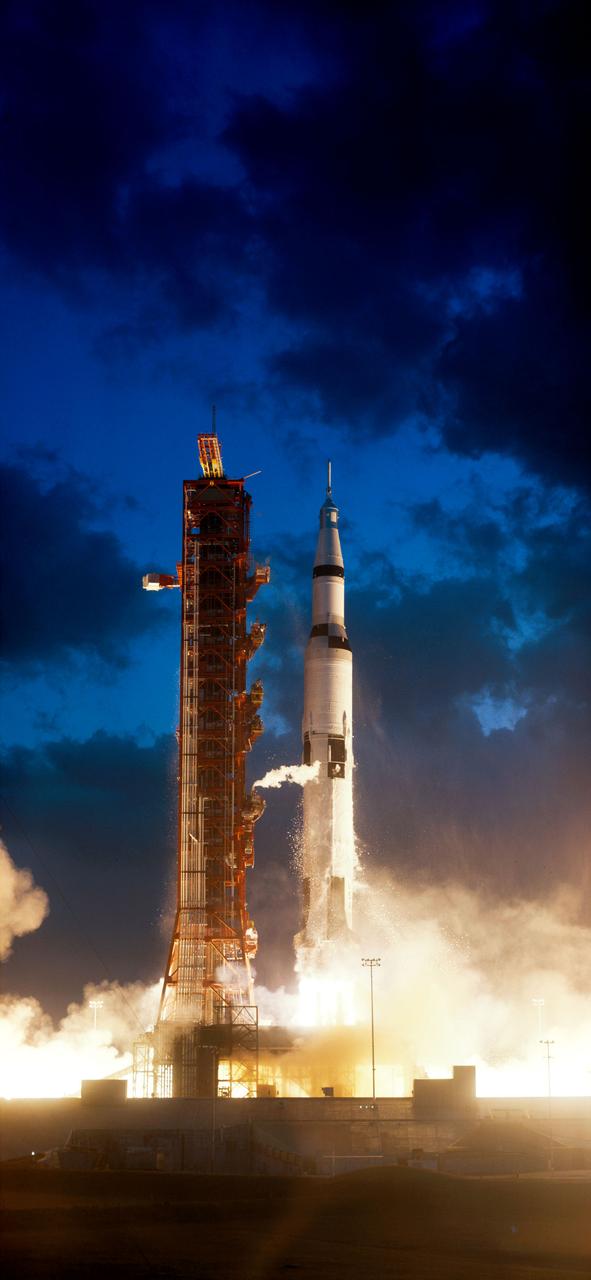
Apollo 4 launch

S67-50903 (9 Nov. 1967) --- The Apollo 4 (Spacecraft 017/Saturn 501) space mission was launched from Pad A, Launch Complex 39, Kennedy Space Center, Florida. The liftoff of the huge 363-feet tall Apollo/Saturn V space vehicle was at 7:00:01 a.m. (EST), Nov. 9, 1967. The successful objectives of the Apollo 4 Earth-orbital unmanned space mission obtained included (1) flight information on launch vehicle and spacecraft

1968مكتبة صور وفيديو ناسا

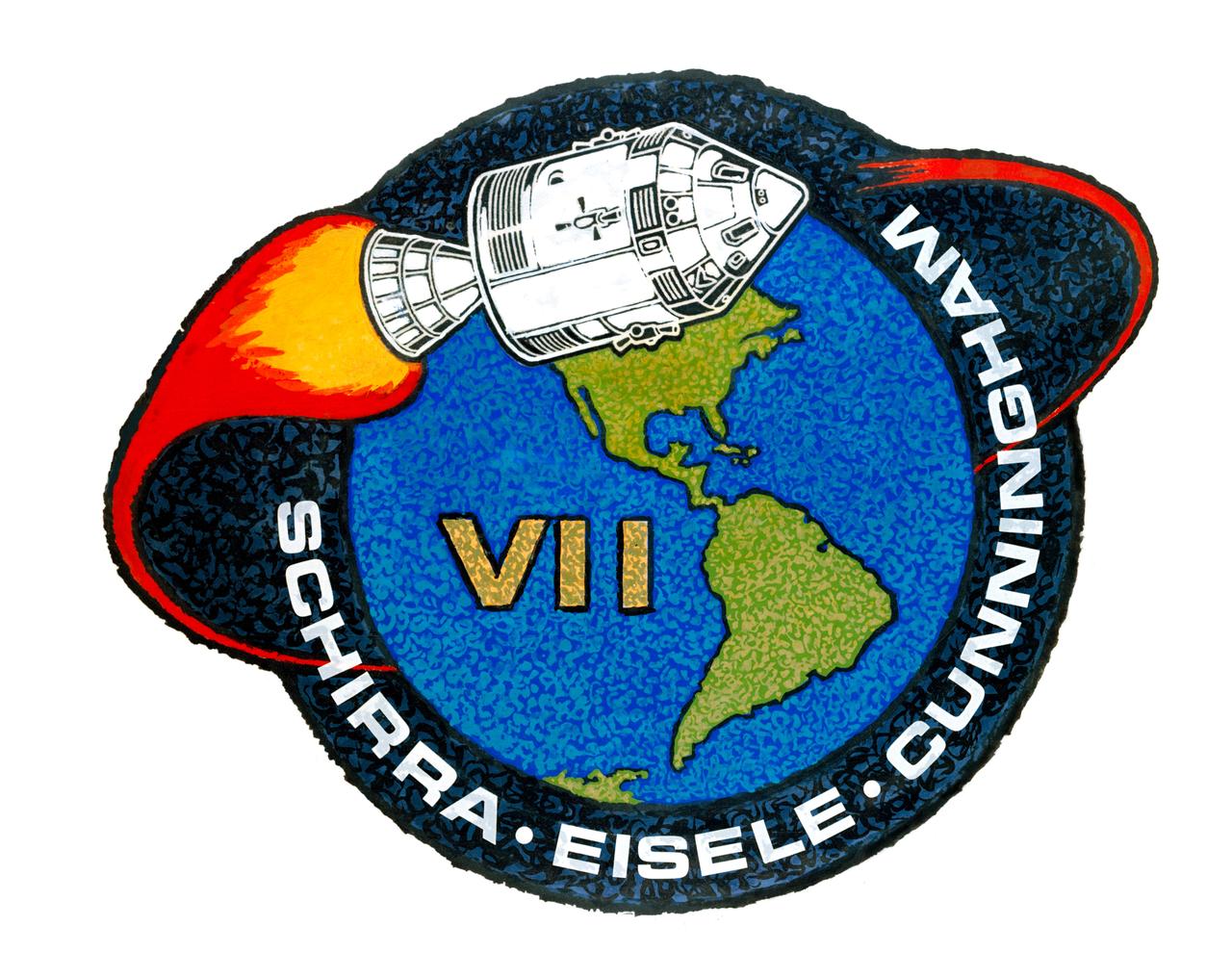
Official Emblem - Apollo 7 - First (1st) Manned Apollo Space Mission

S68-26668 (June 1968) --- The official emblem of Apollo 7, the first manned Apollo space mission. The crew will consist of astronauts Walter M. Schirra Jr., Donn F. Eisele, and Walter Cunningham. The NASA insignia design for Apollo flights is reserved for use by the astronauts and for the official use as the NASA Administrator may authorize. Public availability has been approved only in the form of illustrations by t